
IBISWorld Platform
Answer any industry question in minutes with our entire database at your fingertips.

The value of residential construction is set to fall -3.8% in 2026 to reach $726.0 billion. From 2021 through 2026, the value of US residential construction experienced an overall decline, falling at an annualized rate of -3.9%. Mortgage rates have climbed back to their highest levels in more than a year, eroding affordability and keeping many first-time buyers on the sidelines. Reaccelerating inflation prompted the Federal Reserve to raise interest rates in September, dashing hopes of relief on borrowing costs for buyers and builders. Tariffs on lumber, steel and other building materials, along with a tighter labor supply linked to stricter immigration enforcement, have pushed construction costs higher and squeezed builder margins. Builders are increasingly relying on mortgage rate buydowns to move inventory, while builder confidence has sunk to multiyear lows. Multifamily starts have dropped sharply and improvement spending has weakened, as homeowners locked into low mortgage rates delay moves and major renovations.The value of residential construction has declined over the past five years, following a volatile path. Construction surged at the start of the period as record-low mortgage rates and the shift to remote work fueled demand for larger suburban homes and home improvement projects. This boom proved short-lived. The Federal Reserve's aggressive rate hikes in 2022 and 2023 sent mortgage rates to multidecade highs, eroding affordability and prompting builders to scale back new projects. Supply chain disruptions and elevated materials prices compounded the slowdown, while multifamily construction pulled back as a wave of new supply reached rental markets and project financing tightened.Residential construction stabilized briefly in 2024 as mortgage rates eased from their peak and builders turned to incentives and smaller floor plans to attract buyers. Chronic underbuilding since the global financial crisis kept demand for new homes firm, particularly as existing inventory remained scarce. Many homeowners who locked in low rates earlier in the decade have been reluctant to sell, a lock-in effect that has constrained resale supply and pushed more buyers toward new construction.However, this support has not been enough to sustain growth. Trade policy became a major headwind from 2025, with tariffs on lumber, steel, aluminum and other inputs lifting construction costs. Stricter immigration enforcement has reduced the labor pool in an industry that depends heavily on immigrant workers, while data center and infrastructure projects compete for the same skilled trades. Regional disparities have been pronounced, with Sun Belt markets that added significant supply early in the period facing softer prices and rising inventory.
Curious about what drives these trends? IBISWorld's analyst coverage on the value of residential construction includes detailled analysis on the current performance, outlook and industries affected.
1980-2032
The value of residential construction tracks inflation-adjusted expenditures on new housing, renovations and residential structures across the United States, expressed in billions of chained (2017) US dollars. This key indicator reflects both new construction and improvements, providing insight into trends in housing supply, investment, and the broader real estate sector. Data is sourced from the US Bureau of Economic Analysis.
IBISWorld Industry Reports are available in multiple formats to fit seamlessly into your workflow.

Answer any industry question in minutes with our entire database at your fingertips.
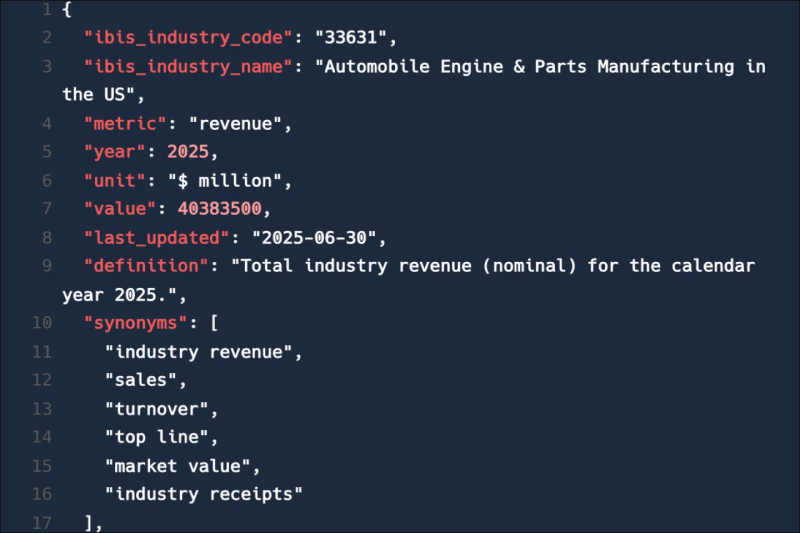
Feed trusted, human-driven industry intelligence straight into your platform.

Streamline your workflow with IBISWorld’s intelligence built into your toolkit.
Explore industries with similar markets, supply chains, and economic drivers to gain broader context and insights.
When the stakes are high, you need intelligence that cuts through the noise—wherever you work.
The value of residential construction in the US in 2026 was $726.01 billion.
The value of residential construction in the US declined by -3.94% in 2026.
IBISWorld’s data and analysis on value of residential construction in the US includes forecasted growth rates over the next five years.