IBISWorld Platform
Answer any industry question in minutes with our entire database at your fingertips.

The value of residential construction is set to fall -2.6% in 2026 to reach $732.4 billion. From 2021 through 2026, the US residential construction sector experienced an overall decline, falling at an annualized rate of -3.8%. 2021 saw explosive growth, with the value rising 10.6% to $887.40 billion as buyers rushed to capitalize on attractive financing and remote work further fueled demand for suburban housing and home expansions.This boom proved unsustainable, however, as sharply rising interest rates in 2022 triggered an 8.3% contraction to $814.10 billion. Higher mortgage costs quickly eroded affordability, dampened homebuyer enthusiasm, and led builders to scale back new projects in many markets. The slowdown deepened in 2023, with an 8.1% drop to $748.50 billion. This reflected not only elevated borrowing costs but also persistent supply chain issues, higher materials prices, and subdued builder sentiment nationwide.Despite some stabilization in 2024—the sector managed to edge up 3.1% to $771.90 billion—residential construction never regained the momentum of its 2021 peak. In 2025, value slipped by another -2.3% to $754.3 billion. These results underscore how sensitive residential construction is to broader macroeconomic changes, especially shifts in monetary policy and consumer confidence. The 2021 high marked a swift rebound from the pandemic, but the sector remains below its historical peak of $818.30 billion reached in 2007, prior to the financial crisis.The post-pandemic construction boom and subsequent retrenchment mirrored the interaction of changing homebuyer preferences, tightening credit standards, and lingering cost inflation. Unlike the late 2010s—which saw stronger, steady performance—2021–2026 was defined by rapid upswings and corrections. Regional disparities were pronounced, with the most severe effects in areas where labor and land were more constrained, or where affordability pressures were already high. Housing completions and new starts reflected similar swings, with strong activity early in the period giving way to hesitancy and cancellations in later years.
Curious about what drives these trends? IBISWorld's analyst coverage on the value of residential construction includes detailled analysis on the current performance, outlook and industries affected.
1980-2032
The value of residential construction tracks inflation-adjusted expenditures on new housing, renovations and residential structures across the United States, expressed in billions of chained (2017) US dollars. This key indicator reflects both new construction and improvements, providing insight into trends in housing supply, investment, and the broader real estate sector. Data is sourced from the US Bureau of Economic Analysis.
IBISWorld Industry Reports are available in multiple formats to fit seamlessly into your workflow.

Answer any industry question in minutes with our entire database at your fingertips.
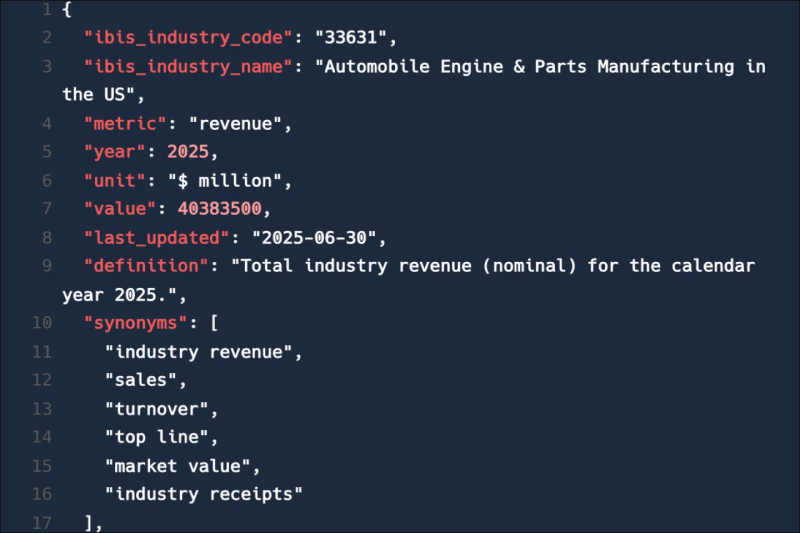
Feed trusted, human-driven industry intelligence straight into your platform.

Streamline your workflow with IBISWorld’s intelligence built into your toolkit.
Explore industries with similar markets, supply chains, and economic drivers to gain broader context and insights.
When the stakes are high, you need intelligence that cuts through the noise—wherever you work.
The value of residential construction in the US in 2026 was $732.43 billion.
The value of residential construction in the US declined by -3.77% in 2026.
IBISWorld’s data and analysis on value of residential construction in the US includes forecasted growth rates over the next five years.