
IBISWorld Platform
Answer any industry question in minutes with our entire database at your fingertips.

Answer any industry question in minutes with our entire database at your fingertips.
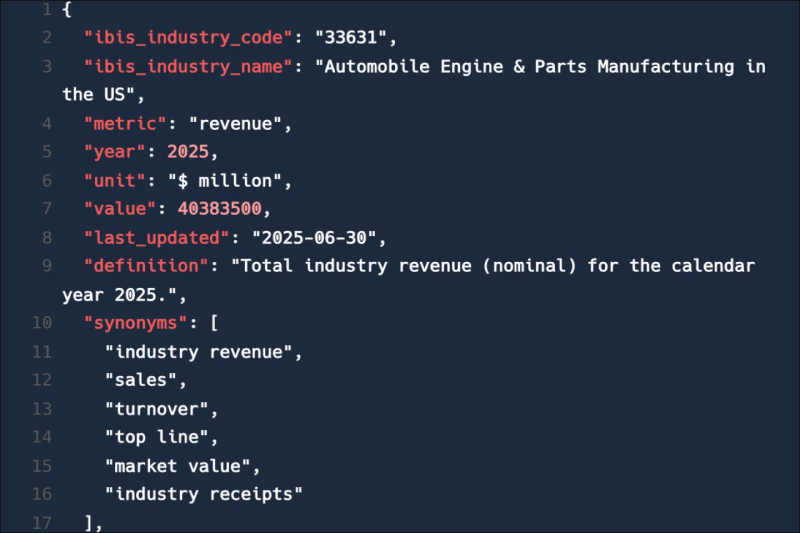
Feed trusted, human-driven industry intelligence straight into your platform.
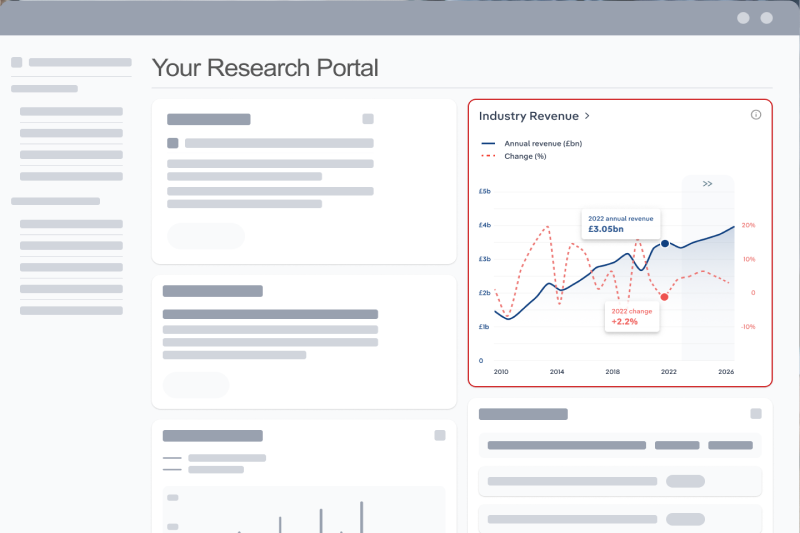
Streamline your workflow with IBISWorld’s intelligence built into your toolkit.
IBISWorld's research coverage on the Electrical Conduits procurement and pricing environment in the United States includes market dynamics, buyer power scores, supply chain vendors with pricing trends and forecasts.
This procurement coverage of the Electrical Conduits market in the United States includes Rigid Metal Conduit (RMC), Intermediate Metal Conduit (IMC), Electrical Metallic Tubing (EMT), Electrical Non-Metallic Tubing (ENT), Flexible metal conduit (FMC), Liquid-Tight Flexible Metal Conduit (LFMC) and Rigid Polyvinyl Chloride (Rigid PVC). Standard coding in this coverage includes HS-8547900020-Electrical Conduit Tubing Lined With Insulation, ISIC-2733-Manufacture of wiring devices, NACE-27.33-Manufacture Of Wiring Devices, NAICS-335930-Wiring device manufacturing and UNSPSC-39131706-Electrical conduit.
Common market terminology included in the Electrical Conduits procurement coverage includes Grounding Wire (A wire that connects the wiring system to the ground.), Galvanized Conduits (Conduits that are coated with a protective layer of zinc, which helps prevent corrosion.), Polyvinyl Chloride (Polyvinyl chloride (PVC) is a plastic material commonly used in electrical conduits.) and Trade Size (A measure of the conduit's width in inches.).
The top companies covered in the Electrical Conduits procurement report as suppliers are W.W. Grainger, Inc., Emerson Electric Co., Aptiv Plc, Nucor Corporation and Hitachi Ltd..
The Opportunity Assessment chapter provides a comprehensive market analysis of the Electrical Conduits market in the United States category, including buyer power scoring, market pricing trends, vendor landscape, cost structure, and strategic negotiation levers.
The market pricing trends include the Market Price (2026) per foot, a five year price forecast and a supply chain risk score. Vendor coverage includes a market share and cost structure breakdown.
Analysis includes a comprehensive SWOT analysis of and recent developments impacting the Electrical Conduits market environment.
The Buyer Power Score chapter assesses key components impacting Electrical Conduits procurement including the recent price trend, forecast price trend, availability of substitutes, switching costs, product specialization, average vendor risk, market share concentration, supply chain risk, price driver volatility and recent price volatility.
These components generate a Buyer Power Score that ranges from -5 (strongly favoring sellers) to +5 (strongly favoring buyers) plus a recommended strategy for procurement specialists.
The Price Environment chapter covers detailed pricing analysis and datasets on Electrical Conduits market environment. This includes insights into market pricing Market Price (2026), price forecasts, volatility, specialization, substitutes and switching costs.
Datasets in the Price Environment chapter include vendor cost structure, breakdowns of wage rates by geography and specialty, key external economic and labor drivers impacting the market and market pricing models.
The Supply Chain & Vendors chapter covers the concentration, risk and diversity of the Electrical Conduits market. This includes datasets on the market’s top suppliers, detailed analysis on the key sourcing risks and supply chain dynamics, with environmental, social and governance (ESG) considerations and scores.
The Business Requirements chapter covers vendor relationships, qualifications, service level agreements and key performance indicators. These inputs provide insight into the planning process through the buying lead time, vendor relationship and vendor qualifications. The sourcing process include key RFP elements like an organizational overview, project budget, selection criteria, project schedule, proposal format, inventory control, cost containment, regulation, quality control, distribution and key contract clauses.
More than 6,000 businesses use IBISWorld to shape local and global economies
We were able to supplement our reports with IBISWorld’s information from both a qualitative and quantitative standpoint. All of our reporting now features some level of IBISWorld integration.

IBISWorld delivers the crisp business knowledge we need to drive our business. Whether it be serving up our major clients, winning new business or educating on industry issues, IBISWorld brings real value.

IBISWorld has revolutionised business information — which has proved commercially invaluable to exporters, investors and public policy professionals in Australia and overseas.

When you’re able to speak to clients and be knowledgeable about what they do and the state that they operate in, they’re going to trust you a lot more.

The 2026 benchmark market price for Electrical Conduits is $7.15 per foot. Prices have increased at a CAGR of 2.55 from 2023-26.
The top vendors in the Electrical Conduits market include W.W. Grainger, Inc., Emerson Electric Co., Aptiv Plc, Nucor Corporation and Hitachi Ltd..
The top industries supplying the Electrical Conduits market are Aluminum Manufacturing in the US, Electric Power Transmission in the US, Plastic Pipe & Parts Manufacturing in the US, Plastic & Resin Manufacturing in the US, Steel Rolling & Drawing in the US, Coal Mining in the US and Iron Ore Mining in the US.
Low supplier concentration enables buyers to maintain strong negotiation leverage. The electrical conduit market is fragmented, with many suppliers offering similar products. Because no single vendor dominates market share, buyers can switch suppliers if pricing or quality becomes unfavorable. This dynamic supports competitive bidding and keeps pricing pressure in check. Procurement teams can capitalize by benchmarking vendors frequently, structuring multi-supplier agreements, and negotiating favorable terms on service, warranties, or delivery schedules. This environment lowers switching costs and reduces dependency on individual vendors.
Material type is a primary pricing factor for electrical conduits, with specialized steel alloys or coated metal conduits generally being the most expensive due to the cost of the materials and increased durability they provide, while PVC is typically the least expensive due to lower material costs and ease of manufacturing.