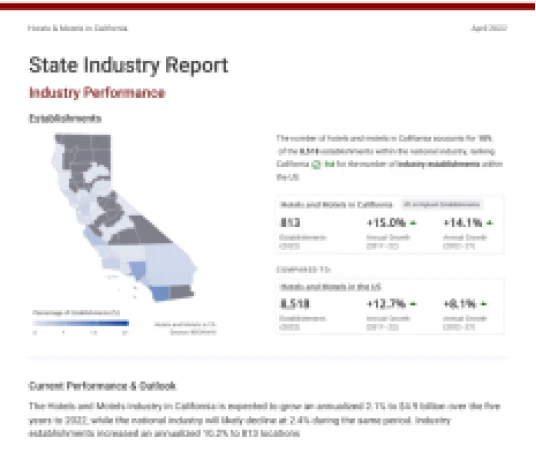

About the Electrical Equipment Manufacturing in New Hampshire Market Research Report
What’s Included in the Electrical Equipment Manufacturing in New Hampshire Market Research Report
Definition of the Electrical Equipment Manufacturing in New Hampshire?
This industry manufactures power, distribution and specialty transformers; electric motors, generators and motor-generator sets, switchgear and switchboard apparatus, relays and industrial controls. Electrical equipment manufacturers sell their products to other manufacturing industries, wholesalers and the construction sector.
What’s included in the Electrical Equipment Manufacturing in New Hampshire?
The Electrical Equipment Manufacturing in New Hampshire includes transformers, motors and generators, switchgear and switchboards, relays and industrial controls and wholesale sales of electricity generation. Related terms covered in the Electrical Equipment Manufacturing in New Hampshire industry report includes an electrical device by which alternating current of one voltage is changed to another voltage, an engine that converts mechanical energy into electrical energy by electromagnetic induction, an electrical apparatus used to open and close circuits; may also include devices that provide protection for apparatus connected to an electrical supply, an electrical device in which current flowing through one circuit can switch a current in a second circuit on and off, a popular trend within retail and manufacturing industries where producers supply goods directly to stores, eliminating the middleman, to procure goods or services under contract with an outside supplier, the relocation of a company's business process, such as manufacturing or accounting, from one country to another, whether the work is outsourced or stays within the company, an electrical apparatus that provides emergency power to a load when the input power source, typically the utility mains, fails and an intentional drop in voltage to prevent a blackout.
Industry Performance of the Electrical Equipment Manufacturing industry in New Hampshire
Benchmark the Electrical Equipment Manufacturing in New Hampshire industry performance with all NH county and national performance.
Electrical Equipment Manufacturing in New Hampshire
#36 in Highest Revenue 0.3% of state's GDPRevenue (2026)
Annual Growth (2021-26)
Annual Growth (2026-31)
Electrical Equipment Manufacturing in the US
Revenue (2026)
Annual Growth (2021-26)
Annual Growth (2026-31)
For the full list of industry drivers, see report purchase options.
Key Drivers of the Electrical Equipment Manufacturing industry in New Hampshire
See how key industry drivers, such as population, per capita disposable income, new business formation, trade-weighted index, value of private nonresidential construction and world price of aluminum are impacting Electrical Equipment Manufacturing in New Hampshire
New Hampshire Economic Indicators
Population
Per Capita Disposable Income
New Business Formation
View more economic information in NH State Economic profile
US Key External Drivers
Trade-weighted index
Value of private nonresidential construction
World price of aluminum
For the full list of industry drivers, see report purchase options.
County Data of the Electrical Equipment Manufacturing industry in New Hampshire
Access proprietary data on county in the Electrical Equipment Manufacturing in New Hampshire, such as Rockingham County, Hillsborough County and Strafford County. Data includes figures on revenue, establishments, employees and wages by counties.
Key Statistics of the Electrical Equipment Manufacturing industry in New Hampshire
Download 19 years of historical data and 5 years of projected performance.