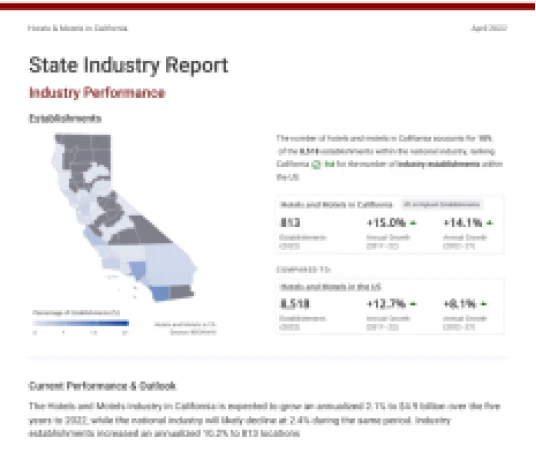

About the Water Supply & Irrigation Systems in Minnesota Market Research Report
What’s Included in the Water Supply & Irrigation Systems in Minnesota Market Research Report
Definition of the Water Supply & Irrigation Systems in Minnesota?
Establishments in this industry operate water treatment plants and water supply systems. Infrastructure overseen by industry operators includes pumping stations, aqueducts and distribution mains. While most suppliers are government entities, private companies are becoming increasingly prevalent.
What’s included in the Water Supply & Irrigation Systems in Minnesota?
The Water Supply & Irrigation Systems in Minnesota includes groundwater extraction and distribution, surface-water collection, treatment and distribution and purchased-water resale and system delivery. Related terms covered in the Water Supply & Irrigation Systems in Minnesota industry report includes water that has already been used and discharged, a local or state level commission that accept or reject applications for water-supply rate increases, a group of synthetic chemicals used in products that resist heat, oil, stains, grease and water. they are known as "forever chemicals" because they do not break down easily in the environment and can persist in water, soil, and living organisms. pfas have been linked to various health risks, including cancers and developmental issues, an underground layer of permeable rock, sand or gravel that stores and transmits groundwater. aquifers supply wells used for municipal, industrial and agricultural water needs, water stored beneath the earth’s surface in soil pores and rock formations. it is a major source of municipal and irrigation supply, particularly in arid regions and rural areas, the removal of dissolved salts and minerals from seawater, brackish groundwater or other saline sources to create water suitable for municipal, industrial or agricultural use. it can diversify supply but is generally energy-intensive and capital-intensive and a membrane-based treatment process that uses pressure to force water through a semi-permeable membrane, removing dissolved salts, metals and many other contaminants. ro is widely used in desalination, water reuse and some pfas-treatment applications.
Industry Performance of the Water Supply & Irrigation Systems industry in Minnesota
Benchmark the Water Supply & Irrigation Systems in Minnesota industry performance with all MN county and national performance.
Water Supply & Irrigation Systems in Minnesota
#44 in Highest Revenue 0.2% of state's GDPRevenue (2026)
Annual Growth (2021-26)
Annual Growth (2026-31)
Water Supply & Irrigation Systems in the US
Revenue (2026)
Annual Growth (2021-26)
Annual Growth (2026-31)
For the full list of industry drivers, see report purchase options.
Key Drivers of the Water Supply & Irrigation Systems industry in Minnesota
See how key industry drivers, such as population, new business formation, private investment in non-residential construction, local and state government investment, number of households and average annual precipitation are impacting Water Supply & Irrigation Systems in Minnesota
Minnesota Economic Indicators
Population
New Business Formation
Private Investment in Non-Residential Construction
View more economic information in MN State Economic profile
US Key External Drivers
Local and state government investment
Number of households
Average annual precipitation
For the full list of industry drivers, see report purchase options.
County Data of the Water Supply & Irrigation Systems industry in Minnesota
Access proprietary data on county in the Water Supply & Irrigation Systems in Minnesota, such as Anoka County, Hennepin County and Scott County. Data includes figures on revenue, establishments, employees and wages by counties.
Key Statistics of the Water Supply & Irrigation Systems industry in Minnesota
Download 19 years of historical data and 5 years of projected performance.