
IBISWorld Platform
Answer any industry question in minutes with our entire database at your fingertips.

Americans are estimated to spend 5.1 hours per day per capita on leisure and sports activities in 2026, representing a marginal decrease of 0.8% from the previous year. The dip follows a gain in 2025 and reflects a modest shift of time back toward work and other obligations. Several large employers in finance and technology moved from hybrid schedules to full-time office attendance this year, adding commuting time and trimming the at-home leisure that flexible arrangements had freed up. Inflation has outpaced wage growth, pressuring some households to take on extra hours, while an energy price shock tied to the war with Iran has raised the cost of traveling to recreational activities. Hosting the FIFA World Cup in June and July lifted time spent watching and attending sports, although the boost was temporary. Television remains the dominant leisure activity, but its share keeps slipping as gaming and computer use expand.Time spent on leisure and sports has declined over the five years through 2026, as Americans gave back the free time gained during the pandemic. Leisure peaked in 2020 at over 5.6 hours per day, when job losses, stay-at-home orders and venue closures left people with far more unstructured time. Average daily leisure fell 6.1% in 2021 to 5.3 hours as the economy reopened, and it kept sliding as employment recovered, schools and offices resumed in-person operations and commuting returned. Leisure settled at 5.1 hours in 2024, closely tracking a tight labor market that pulled more people into work.Leisure time rose in 2025 as hiring slowed amid tariff uncertainty and a growing number of baby boomers retired. Older Americans report far more leisure than any other age group, so population aging steadily lifts the national average. Results for 2025 should be read with some caution, since the federal government shutdown suspended survey collection for several weeks in the fall.How Americans spend their free time has also shifted. Television still claims the largest share of leisure, yet viewing has trended lower over the past decade. Gaming, social media and other computer use have grown, particularly among teenagers, while time spent socializing and communicating has fallen steadily. Sports and fitness have been a bright spot, with participation reaching record highs on the popularity of pickleball, padel and team sports. The persistence of hybrid work has also preserved commute savings for many office workers.
Curious about what drives these trends? IBISWorld's analyst coverage on the time spent on leisure and sports includes detailled analysis on the current performance, outlook and industries affected.
2003-2032
Time spent on leisure and sport includes, but is not limited to, time spent socializing and communicating, watching television, surfing the internet, playing games, reading, playing sports, exercising, participating in recreation, as well as traveling to and from these activities. The data from 2003 to 2025 (aside from 2020), is from the American Time Use Survey or the ATUS from the Bureau of Labor Statistics; the remainder is estimated by IBISWorld. Additionally, the figures presented pertain only to Americans aged 15 years and older.
IBISWorld Industry Reports are available in multiple formats to fit seamlessly into your workflow.
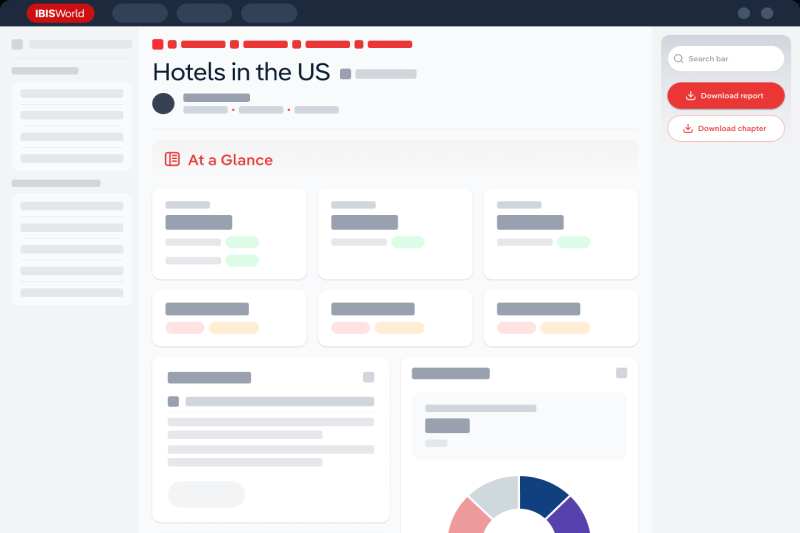
Answer any industry question in minutes with our entire database at your fingertips.
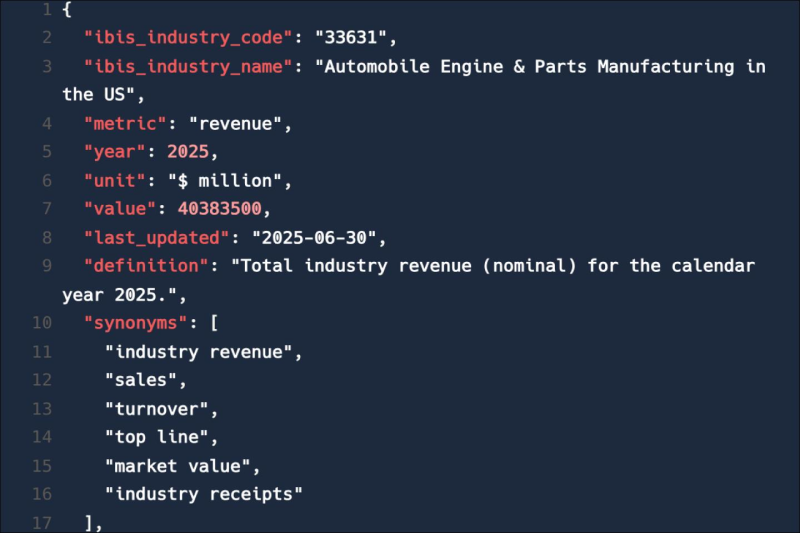
Feed trusted, human-driven industry intelligence straight into your platform.
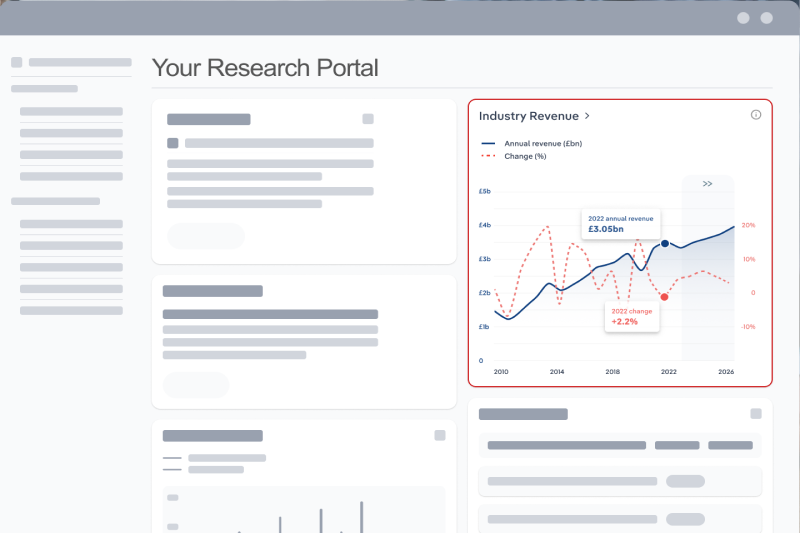
Streamline your workflow with IBISWorld’s intelligence built into your toolkit.
Explore industries with similar markets, supply chains, and economic drivers to gain broader context and insights.
When the stakes are high, you need intelligence that cuts through the noise—wherever you work.
The time spent on leisure and sports in the US in 2026 was 5.12 hours per day per capita.
The time spent on leisure and sports in the US declined by -0.59% in 2026.
IBISWorld’s data and analysis on time spent on leisure and sports in the US includes forecasted growth rates over the next five years.