
IBISWorld Platform
Answer any industry question in minutes with our entire database at your fingertips.

In 2026, subsidies for cereal grain farming are expected to total $251.4 million, representing a 3.3% increase from the previous year. Payments remain a small fraction of pandemic era levels because Price Loss Coverage (PLC) and Agriculture Risk Coverage (ARC) outlays issued during the fiscal year relate to the 2024 crop, when average prices for most cereal grains held above their reference prices. The one year increase is driven almost entirely by a jump in county level ARC payments for barley, which offsets the absence of PLC support for wheat, sorghum and oats. Ad hoc measures have carried much of the sector's income support instead of standard commodity programs, with flat rate economic assistance authorized by the American Relief Act and a subsequent bridge payment for row crop growers flowing through separate accounts.Between 2021 and 2026, subsidies for cereal grain farming have been highly volatile. In 2021, government support surged to $2,060.7 million, largely in response to the COVID-19 pandemic, which disrupted supply chains and necessitated increased fiscal intervention. This period also saw the continuation of modifications under the 2018 Farm Bill, which enabled producers to make annual elections between PLC and ARC and allowed for the updating of PLC payment yields. Russia's invasion of Ukraine then pushed global grain prices to multiyear highs, which lifted farm revenue above program triggers and eroded political appetite for further emergency aid. Payments fell sharply to $921.4 million in 2022 and to only $69.6 million in 2023.Outlays recovered modestly across 2024 and 2025 as grain prices retreated, restoring ARC payments for wheat and sorghum in particular. Policy uncertainty compounded the swings, since Congress extended the 2018 Farm Bill twice rather than reauthorizing it, before folding a commodity program overhaul into the One Big Beautiful Bill Act in July 2025. That law lifted statutory reference prices by 10% to 20%, raised the ARC revenue guarantee and payment cap, increased payment limits and added base acres from the 2026 crop year, resetting the baseline for future support. Overall, subsidies for cereal grain farming have fallen at an annualized 34.3% over the five years through 2026, reflecting the sensitivity of outlays to short-term crises and to commodity market fundamentals.
Curious about what drives these trends? IBISWorld's analyst coverage on the subsidies for cereal grain farming includes detailled analysis on the current performance, outlook and industries affected.
1980-2032
The crop agriculture sector is heavily supported by the government, with a multitude of programs aimed at providing farmers with some level of income stability in a business plagued with unpredictability. This report includes outlays provided for wheat, sorghum, barley and oats. The majority of subsidies extended to growers are regulated under the farm bill, an overarching piece of agricultural legislation passed about every five years. The 2018 Farm Bill was passed in December 2018, and has been extended and modified multiple times, most recently as part of the 2025 One Big Beautiful Bill Act. The data for this report, including forecasts, are sourced from the Farm Service Agency (FSA), a part of the US Department of Agriculture (USDA). All figures reflect the net outlays for each fiscal year in nominal dollars.
IBISWorld Industry Reports are available in multiple formats to fit seamlessly into your workflow.

Answer any industry question in minutes with our entire database at your fingertips.
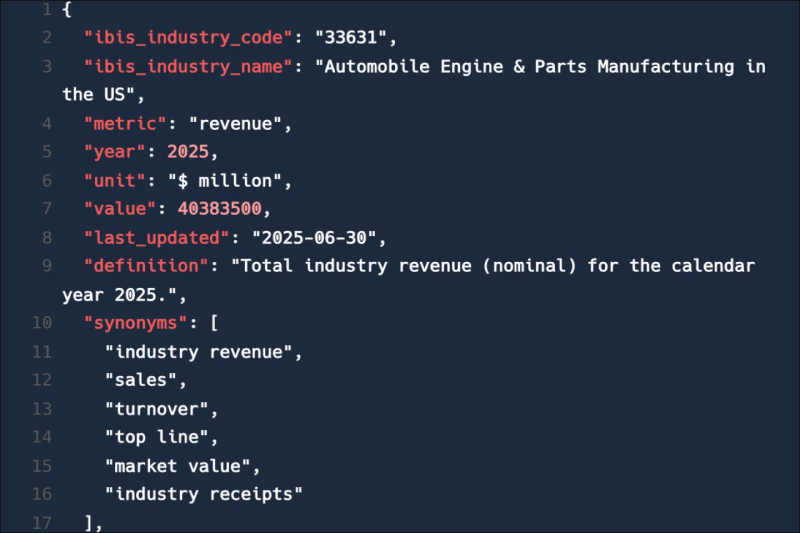
Feed trusted, human-driven industry intelligence straight into your platform.
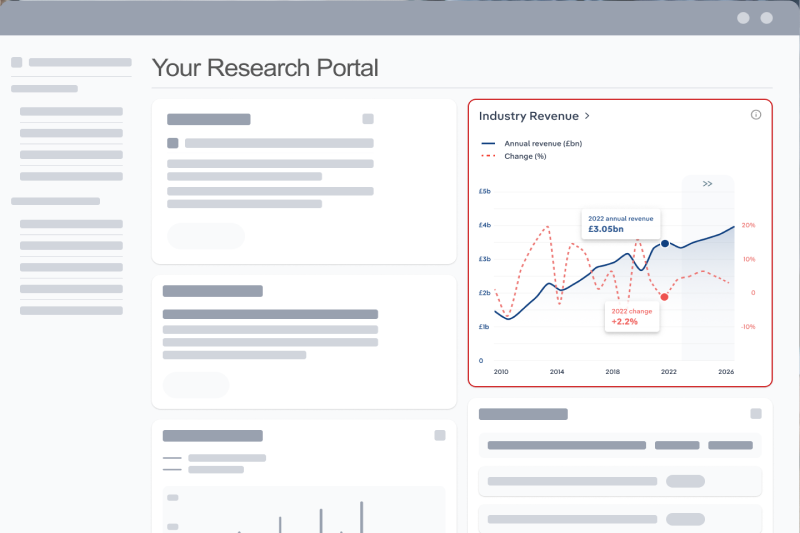
Streamline your workflow with IBISWorld’s intelligence built into your toolkit.
Explore industries with similar markets, supply chains, and economic drivers to gain broader context and insights.
| Industry | Country | Last 5-yr CAGR | Forecast 5-year CAGR | Revenue |
|---|---|---|---|---|
| Wheat, Barley & Sorghum Farming in the US |

|
XX% | XX% | $XX |
When the stakes are high, you need intelligence that cuts through the noise—wherever you work.
The subsidies for cereal grain farming in the US in 2026 was $251.42 million.
The subsidies for cereal grain farming in the US declined by -34.34% in 2026.
IBISWorld’s data and analysis on subsidies for cereal grain farming in the US includes forecasted growth rates over the next five years.