
IBISWorld Platform
Answer any industry question in minutes with our entire database at your fingertips.

The plastic materials and resin price index climbed to 326.16 in 2026, representing a 3.5% jump from the previous year. The price surge was primarily driven by petroleum cost increases, as crude oil prices rebounded sharply from pandemic lows. Container shipping disruptions and port congestion created additional supply constraints, while semiconductor shortages in automotive and electronics sectors generated unexpected demand patterns. Energy cost increases, particularly natural gas prices essential for petrochemical production, further pressured manufacturing costs throughout the supply chain. Steady demand growth in key end-use sectors has supported gradual price adjustments. Energy cost fluctuations and ongoing trade policy considerations continue to influence pricing volatility in the sector.Plastic materials and resin prices have experienced significant volatility over the past five years, falling at a CAGR of 1.5%. The period began with unprecedented price increases from 2021-2022, with the index surging to 360.2 in 2022 - the highest level on record. This dramatic increase reflected multiple converging factors, including supply chain disruptions, raw material shortages and robust demand recovery across manufacturing sectors.Since 2023, prices have entered a normalization phase, declining from the 2022 peak as supply chains stabilized and demand patterns returned to more predictable levels. The index fell to 327.8 in 2023 before continuing its descent to 319.4 in 2024. Manufacturing capacity expansions and improved logistics networks have helped alleviate some pricing pressures, though the index remains well above pre-pandemic levels. Trade policy developments and geopolitical tensions have continued to influence pricing through their impact on raw material access and supply route reliability.
Curious about what drives these trends? IBISWorld's analyst coverage on the producer price index: plastic materials and resin includes detailled analysis on the current performance, outlook and industries affected.
1980-2032
The price of plastic materials and resin is an index measuring the cost fluctuations of synthetic polymer materials used in manufacturing across various industries. This index tracks pricing for thermoplastics, thermosets and specialty resins that serve as essential inputs for packaging, automotive, construction and consumer goods production. Data is sourced from the Bureau of Labor Statistics and represents a Producer Price Index (1980 =100).
IBISWorld Industry Reports are available in multiple formats to fit seamlessly into your workflow.

Answer any industry question in minutes with our entire database at your fingertips.
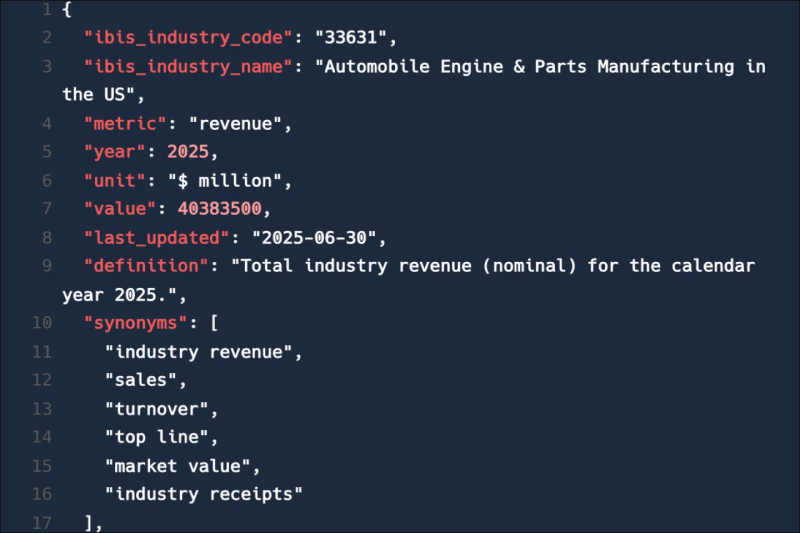
Feed trusted, human-driven industry intelligence straight into your platform.
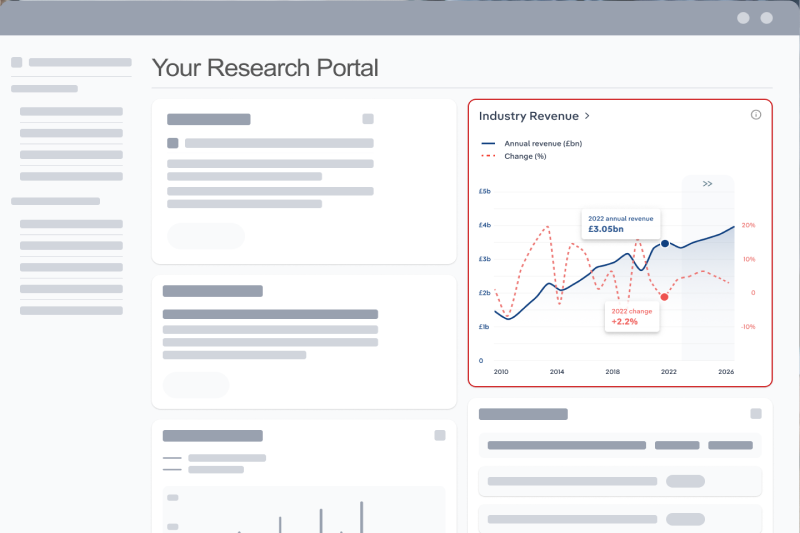
Streamline your workflow with IBISWorld’s intelligence built into your toolkit.
Explore industries with similar markets, supply chains, and economic drivers to gain broader context and insights.
When the stakes are high, you need intelligence that cuts through the noise—wherever you work.
The producer price index for plastic materials and resin in the US in 2026 was 326.16 index points.
The producer price index for plastic materials and resin in the US declined by -1.49% in 2026.
IBISWorld’s data and analysis on producer price index for plastic materials and resin in the US includes forecasted growth rates over the next five years.