
IBISWorld Platform
Answer any industry question in minutes with our entire database at your fingertips.

The vegetable price index is forecast to reach 168.6 in 2026, up 6.6% from 2025 and continuing a stretch of rapid growth that has lifted the index at a 6.9% CAGR. Persistent supply chain bottlenecks and unpredictable weather continue to squeeze fresh, frozen and canned vegetable producers, while demand from both grocery retailers and institutional buyers remains resilient enough to absorb higher prices. Input costs and freight expenses, although down from their 2022 peaks, still sit well above pre-pandemic norms, keeping pressure on producer margins. Ongoing geopolitical instability adds another layer of uncertainty, disrupting shipping routes and raising energy costs tied to production and distribution. With supply-side constraints outweighing any softening in demand, the index is on track to extend its upward climb through the end of the year. Vegetable prices have swung sharply over the past five years, shaped by a mix of macroeconomic shocks and sector-specific strain. A sharp run-up stands out as the period's defining event: labor shortages, clogged supply chains and the outbreak of conflict in Ukraine combined to disrupt logistics and drive up energy and input costs, sending the index soaring by 45.2% in a single year. That spike exposed just how sensitive vegetable prices are to global shocks. Prices retreated as supply chains untangled and production normalized, though the index settled well above pre-pandemic levels, a reminder that some of the surge has proven sticky. Renewed disruptions and steady consumer demand pushed prices higher again before easing as conditions stabilized further into the period.Weather volatility has been a constant undercurrent throughout, with extreme conditions affecting both domestic harvests and imported vegetable supplies, adding further volatility to an already turbulent market. Broader shifts in consumer behavior have also left a mark. Lingering changes from the pandemic have kept grocery retail elevated even as other channels recovered, while rising costs across the agricultural sector have made price swings more pronounced. Shrinking acreage and limited available farmland in key growing regions have begun to squeeze supply, compounding upward pressure on prices as production struggles to keep pace with population growth and shifting consumption patterns.
Curious about what drives these trends? IBISWorld's analyst coverage on the price of vegetables includes detailled analysis on the current performance, outlook and industries affected.
1990-2032
The price of vegetables is represented by the indices of prices received by fresh, frozen and canned vegetable producers for their products, with 2011 as the base year. Data is sourced from the US Department of Agriculture.
IBISWorld Industry Reports are available in multiple formats to fit seamlessly into your workflow.

Answer any industry question in minutes with our entire database at your fingertips.
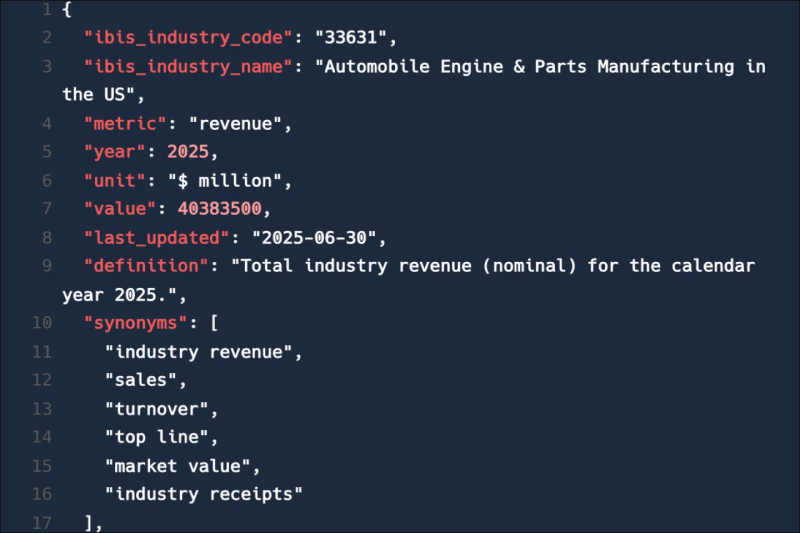
Feed trusted, human-driven industry intelligence straight into your platform.
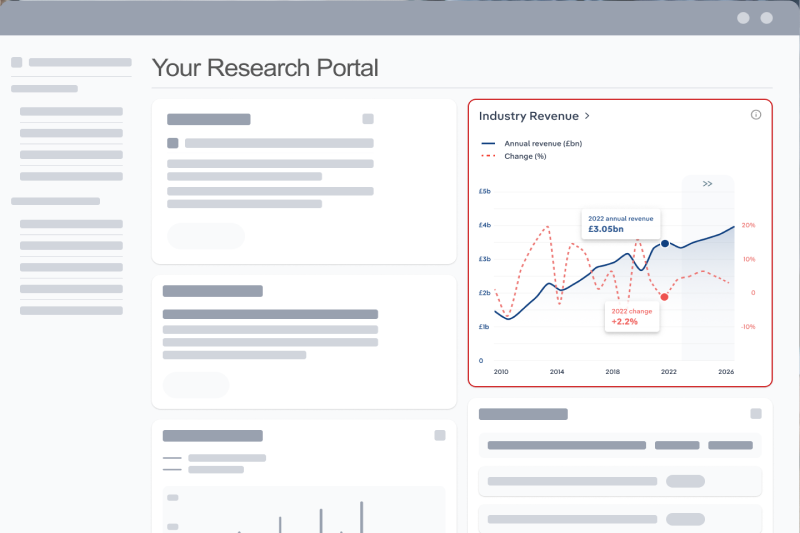
Streamline your workflow with IBISWorld’s intelligence built into your toolkit.
Explore industries with similar markets, supply chains, and economic drivers to gain broader context and insights.
| Industry | Country | Last 5-yr CAGR | Forecast 5-year CAGR | Revenue |
|---|---|---|---|---|
| Hydroponic Crop Farming in the US |

|
XX% | XX% | $XX |
| Hydroponic Growing Equipment Stores in the US |
|
XX% | XX% | $XX |
| Potato Farming in the US |
|
XX% | XX% | $XX |
| Vegetable Farming in the US |
|
XX% | XX% | $XX |
| Baby Food Manufacturing in the US |
|
XX% | XX% | $XX |
| Farmers Markets in the US |
|
XX% | XX% | $XX |
| Fruit & Vegetable Retailing in the US |
|
XX% | XX% | $XX |
| Fruit & Vegetable Wholesaling in the US |
|
XX% | XX% | $XX |
| Hot Sauce Production in the US |
|
XX% | XX% | $XX |
| Premade Salsa Production in the US |
|
XX% | XX% | $XX |
| Frozen Food Manufacturing in the US |
|
XX% | XX% | $XX |
| Dried Fruit & Vegetable Snack Production in the US |
|
XX% | XX% | $XX |
When the stakes are high, you need intelligence that cuts through the noise—wherever you work.
The price of vegetables in the US in 2026 was 168.59 index points.
The price of vegetables in the US grew by 6.95% in 2026.
IBISWorld’s data and analysis on price of vegetables in the US includes forecasted growth rates over the next five years.