
IBISWorld Platform
Answer any industry question in minutes with our entire database at your fingertips.

In 2026, broadband connections are estimated to reach 587.6 million, a 4.4% year-over-year increase that tracks shifting consumer preferences for high-speed data and continued migration toward digital platforms. Telecommunications companies accelerated infrastructure investments across fiber and wireless networks, supporting broader adoption among households and businesses. Market fundamentals drive much of that expansion. Rising uptake of 5G fixed wireless access plans gives providers a way to monetize spectrum and add subscribers without laying new cable, and the technology appeals to households that want a connection through a gateway rather than a wired line. Satellite constellations add another avenue for growth where wired options remain limited. Ericsson found that the share of FWA service providers delivering the service over 5G reached 71.0% as of June 2026, up from 57.0% a year earlier, and stronger connection uptake in North America than elsewhere. Both technologies funnel new subscribers into the broadband total this year.Over the period from 2021 to 2026, the broadband market matured significantly, marked by broad adoption of high-speed, always-on connections and the near-eradication of dial-up service. The mass uptake of smartphones delivered broadband-level speeds to a larger population base, expanding the reach of digital content and promoting mobile-first connectivity. During the COVID-19 pandemic, surging reliance on remote work and virtual communication drove further demand for broadband connectivity, prompting service providers to implement pricing flexibility to retain and attract subscribers amid economic disruption. Ongoing price declines enabled more consistent access and supported incremental connection growth as the number of unconnected households diminished. Key macro trends included the diminishing relevance of legacy connection technologies and sweeping digital transformation across education, commerce, and entertainment, all contributing to the entrenchment of broadband as the primary means of internet access.By 2026, the sustained rise in broadband connections reflects these multifaceted drivers. However, growth has slowed as market penetration has neared saturation, with new connections mostly stemming from demographic shifts or service upgrades rather than initial household adoption. Over the five years to 2026, broadband connections expanded at a 2.9% compound annual growth rate as digital transformation continued but the pool of untapped adopters shrank.
Curious about what drives these trends? IBISWorld's analyst coverage on the number of broadband connections includes detailled analysis on the current performance, outlook and industries affected.
1999-2032
The number of broadband connections in the United States represents the total number of internet connection points (both fixed and mobile) with a speed of over 200 kilobits per second in at least one direction. This figure includes both households and businesses that have broadband connections. Data is sourced from the Federal Communications Commission (FCC).
IBISWorld Industry Reports are available in multiple formats to fit seamlessly into your workflow.

Answer any industry question in minutes with our entire database at your fingertips.
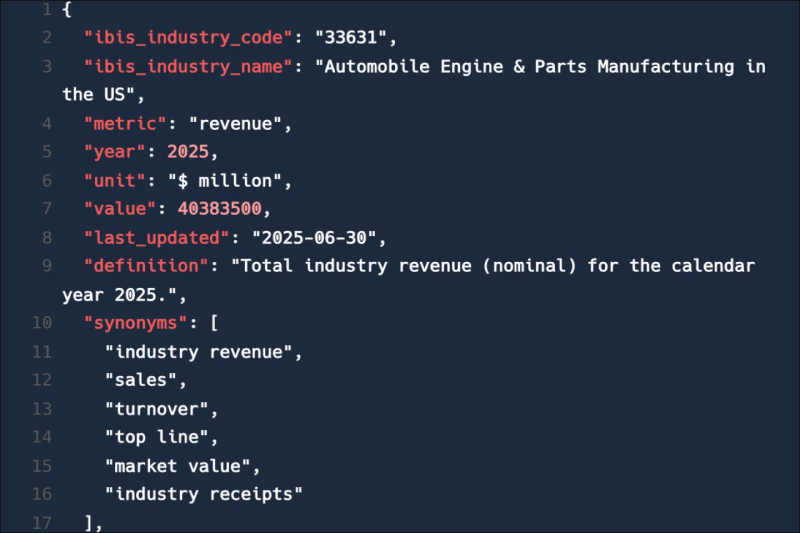
Feed trusted, human-driven industry intelligence straight into your platform.
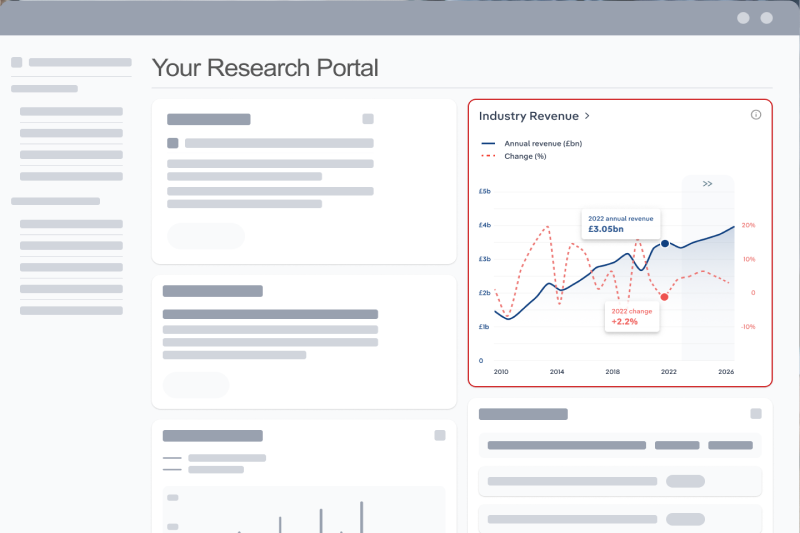
Streamline your workflow with IBISWorld’s intelligence built into your toolkit.
Explore industries with similar markets, supply chains, and economic drivers to gain broader context and insights.
When the stakes are high, you need intelligence that cuts through the noise—wherever you work.
The number of broadband connections in the US in 2026 was 587.66 million.
The number of broadband connections in the US grew by 2.87% in 2026.
IBISWorld’s data and analysis on number of broadband connections in the US includes forecasted growth rates over the next five years.