IBISWorld Platform
Answer any industry question in minutes with our entire database at your fingertips.

In 2026, the number of adults aged 20 to 64 will inch up to an estimated 195.1 million, representing only a marginal 0.1% increase over the prior year and underscoring continued stagnation in the working-age population. The main drag comes from the powerful demographic push of baby boomers into the 65-and-older bracket, which is expanding much faster than the 20-64 cohort and steadily raising the average age of the US population. Federal enforcement efforts and policy changes aimed at undocumented immigrants and humanitarian status holders since 2025 have further reduced the pool of foreign-born workers in these ages, limiting migration-driven gains just as employers remain hungry for labor. As a result, 2026 marks another year in which tight labor markets coexist with only minimal growth in the underlying population of adults in their prime economic years.Over the five years through 2026, the number of adults aged 20 to 64 edged up only slightly, from roughly 194.0 million in 2021 to 195.1 million, translating into a compound annual growth rate of just 0.12%. Early in the period, gains were essentially wiped out by the longer-term slide in fertility that began after the Great Recession, leaving thinner cohorts aging into their twenties and thirties and limited natural increases in the working-age group. At the same time, baby boomers continued to cross the 65-year threshold in large numbers, shrinking the share of the population in the 20-64 band and pushing a larger proportion into retirement or partial retirement. Even as labor force participation among prime-age adults recovered from its pandemic lows, the underlying headcount of people in this age bracket barely changed, forcing a greater reliance on older workers and productivity gains rather than sheer population growth to meet labor demand.Immigration trends from 2021 to 2026 shaped this demographic squeeze in two distinct phases. Pandemic-related border restrictions curbed net migration in 2020 and 2021, but inflows then rebounded sharply from 2022 through 2024, and because most immigrants arrive in their prime working years, this surge provided a meaningful, if temporary, boost to the 20-64 population during those years. Policy shifts beginning in 2025, including tighter enforcement against undocumented immigrants and rollbacks or expirations of temporary protections, have since removed foreign-born workers from the labor force just as domestic growth in the 20-64 population was flattening out. This reversal has curbed the growth of the adult 20-64 population in the final stretch of the period and cemented a five-year pattern in which only intermittent immigration-driven gains have kept pace with baby boomer retirements.
Curious about what drives these trends? IBISWorld's analyst coverage on the number of adults aged 20 to 64 includes detailled analysis on the current performance, outlook and industries affected.
1980-2032
The data for this report, including forecasts, are sourced from the US Census Bureau and IBISWorld. The estimates provided refer to the population as of July 1 for that year. The forecasts in this report assume that fertility rates will continue to decline.
IBISWorld Industry Reports are available in multiple formats to fit seamlessly into your workflow.

Answer any industry question in minutes with our entire database at your fingertips.
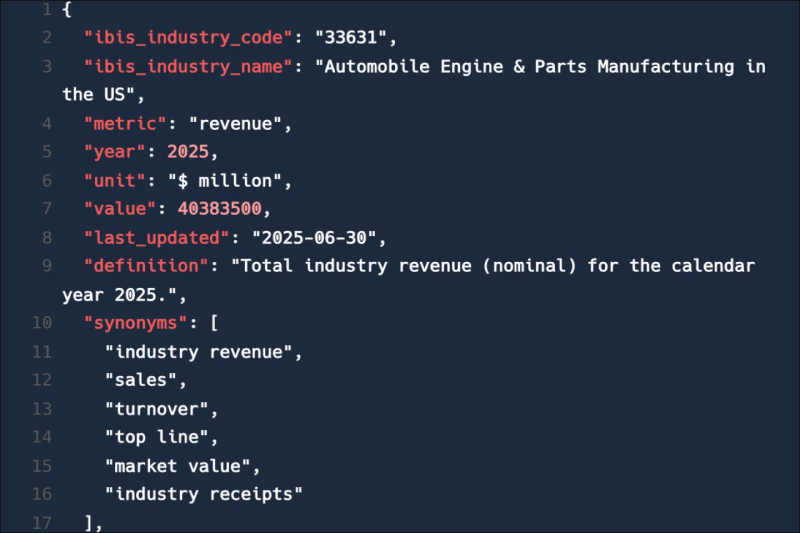
Feed trusted, human-driven industry intelligence straight into your platform.
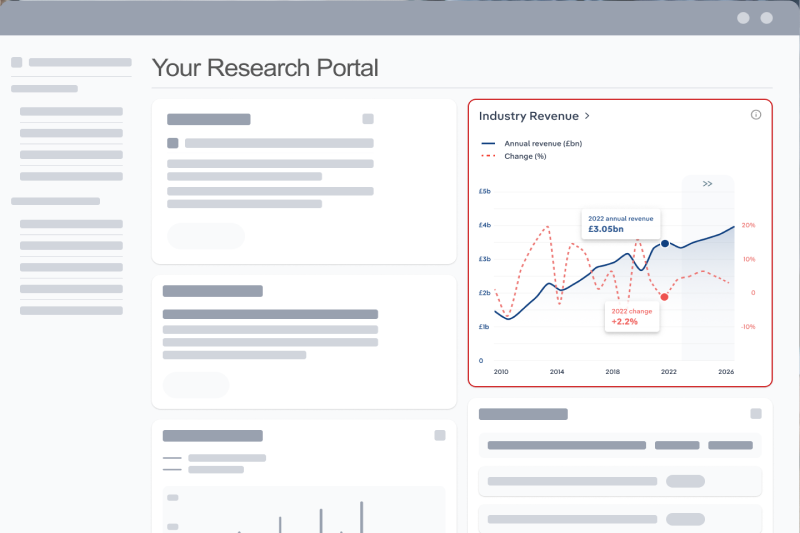
Streamline your workflow with IBISWorld’s intelligence built into your toolkit.
Explore industries with similar markets, supply chains, and economic drivers to gain broader context and insights.
When the stakes are high, you need intelligence that cuts through the noise—wherever you work.
The number of adults aged 20 to 64 in the US in 2026 was 195.11 million.
The number of adults aged 20 to 64 in the US grew by 0.12% in 2026.
IBISWorld’s data and analysis on number of adults aged 20 to 64 in the US includes forecasted growth rates over the next five years.