
IBISWorld Platform
Answer any industry question in minutes with our entire database at your fingertips.

The national average minimum wage is projected to reach $9.57 per hour in 2026, representing solid growth of 2.6% compared to the previous year. This significant increase reflects widespread state-level minimum wage legislation taking effect across the country, with numerous states implementing scheduled increases and cost-of-living adjustments. The expansion is particularly pronounced in states that have adopted automatic indexing mechanisms tied to inflation rates, ensuring minimum wage levels maintain purchasing power amid rising consumer prices. California, New York, Washington and Massachusetts continue leading wage floor increases, with several jurisdictions approaching or exceeding $15 per hour thresholds. However, the national average remains constrained by federal minimum wage policy, which has remained unchanged at $7.25 per hour since 2009, creating significant regional disparities in wage protection levels. Local initiatives at the city and county level are also contributing to growth, as municipalities implement higher minimum wage standards to address local cost-of-living pressures and labor market conditions.The early years in the current period saw modest fluctuation, with wages reaching $8.82 in 2021 before declining to $8.62 in 2022. This temporary setback reflected the complex interplay between nominal wage increases and accelerating inflation rates that eroded real purchasing power. Many states postponed planned increases during this period due to economic uncertainty and business closure concerns, while inflation-adjusted calculations showed declining real wage values despite some nominal improvements.Recovery accelerated from 2023 onward, with the national average minimum wage climbing to $8.86 in 2023 and $8.90 in 2024. This expansion period coincided with tight labor market conditions that strengthened worker bargaining power and increased political support for minimum wage legislation. Multiple states implemented substantial increases during this period, with several adopting multi-year phase-in schedules targeting $15 per hour or higher minimum wages. Growth surged especially significantly in 2025, rising to $9.33 per hour. This 5.0% year-over-year growth was the fastest annual increase since 2007.The composition of minimum wage policy has shifted dramatically during this period, with increasing state-level leadership compensating for federal inaction. Automatic indexing provisions have become more common, with states linking minimum wage adjustments to consumer price index changes or other economic indicators. Regional wage variation has expanded significantly, as coastal states and urban areas implement substantially higher minimums while rural and southern states remain closer to federal levels. Business community responses have also evolved, with many employers adapting operational models to accommodate higher labor costs through productivity improvements and technology adoption.
Curious about what drives these trends? IBISWorld's analyst coverage on the national average minimum wage includes detailled analysis on the current performance, outlook and industries affected.
1980-2032
The average national minimum wage represents a weighted average of local, state and federal statutory minimum hourly wages, as of January 1 of the calendar year. It is presented in chained 2017 dollars and projected based on current legislation.
IBISWorld Industry Reports are available in multiple formats to fit seamlessly into your workflow.

Answer any industry question in minutes with our entire database at your fingertips.
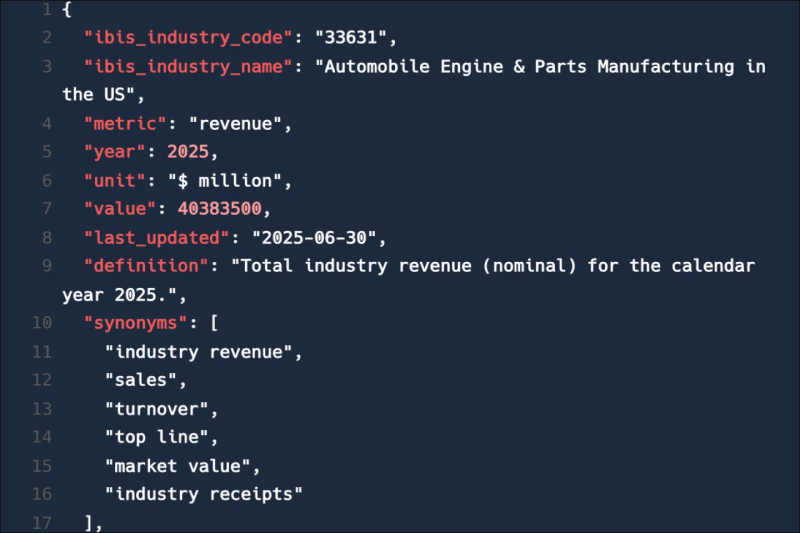
Feed trusted, human-driven industry intelligence straight into your platform.
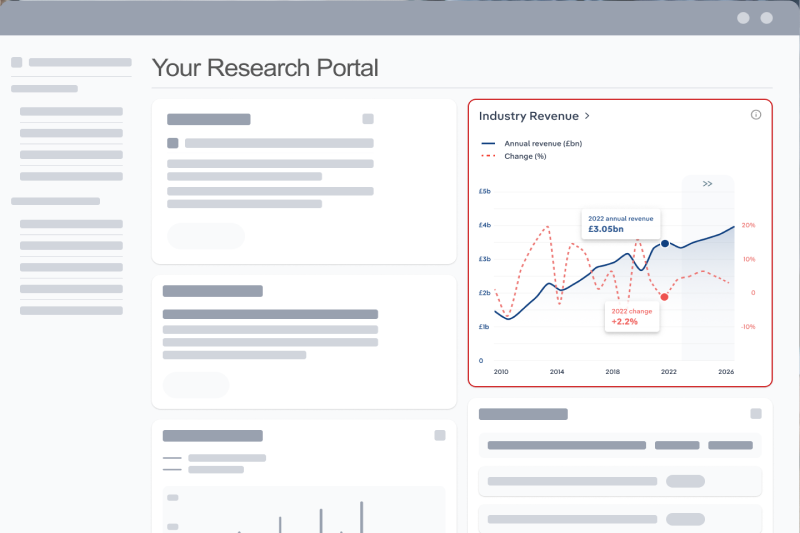
Streamline your workflow with IBISWorld’s intelligence built into your toolkit.
Explore industries with similar markets, supply chains, and economic drivers to gain broader context and insights.
| Industry | Country | Last 5-yr CAGR | Forecast 5-year CAGR | Revenue |
|---|---|---|---|---|
| Aircraft Maintenance, Repair & Overhaul in the US |

|
XX% | XX% | $XX |
| Printing Services in the US |
|
XX% | XX% | $XX |
| Bakery Cafes in the US |
|
XX% | XX% | $XX |
| Community Colleges in the US |
|
XX% | XX% | $XX |
| Tree Trimming Services in the US |
|
XX% | XX% | $XX |
When the stakes are high, you need intelligence that cuts through the noise—wherever you work.
The national average minimum wage in the US in 2026 was 9.57 $.
The national average minimum wage in the US grew by 1.65% in 2026.
IBISWorld’s data and analysis on national average minimum wage in the US includes forecasted growth rates over the next five years.