
IBISWorld Platform
Answer any industry question in minutes with our entire database at your fingertips.

The Healthy Eating Index is estimated to shrink 0.6% to reach 62.9% in 2025, reflecting ongoing pressures on diet quality in the United States. Despite growing public health initiatives and increasing awareness of nutrition-related diseases, diets are still influenced by the prevalence of processed snack foods and fast food options. Elevated food prices, particularly for fruits and vegetables, continue to be a significant barrier to healthy eating, contributing to sustained declines in the index in recent years. Aggressive marketing and a variety of unhealthy products have also contributed to a shift in consumer preference toward less nutritious options.Between 2020 and 2025, the index declined by 0.6% percentage points, from 64.9% to an estimated 62.9%. This trend is attributed to multiple factors, including volatile produce prices because of adverse weather in regions like Florida and the Midwest. Rising costs led consumers to reduce their intake of fruits and vegetables. Additionally, spikes in grain prices, driven by demand for plant-based biofuels, have increased overall food costs, prompting consumers to opt for more affordable yet less nutritious options. The COVID-19 pandemic also influenced eating patterns, as remote work and limited access to healthy foods led to increased snacking and consumption of processed foods. Although restrictions eased after 2021, snack foods remained popular due to product innovation and effective advertising.Countervailing factors have limited the decline of the index. Public health awareness efforts educated consumers about the risks of high sugar and fat intake, prompting reductions in corn syrup consumption. The adoption of low-carbohydrate, high-protein diets influenced habits, increasing meat demand. However, these categories already had high consumption levels, producing a mixed impact on dietary health.Over the years to 2025, changing consumer preferences, food price inflation, weather events, and pandemic disruptions led to a reduction in the Healthy Eating Index. While efforts to promote healthier lifestyles persisted, they were largely offset by macroeconomic and social trends favoring unhealthy foods.
Curious about what drives these trends? IBISWorld's analyst coverage on the healthy eating index includes detailled analysis on the current performance, outlook and industries affected.
1980-2031
IBISWorld calculates a healthy eating index as the percentage of a recommended diet that an average American consumes. The percentage represents the degree that the average American adheres to the consumption guidelines set out by the US Department of Agriculture that are regularly updated every five years. The last recommended diet was released in 2015.
IBISWorld Industry Reports are available in multiple formats to fit seamlessly into your workflow.
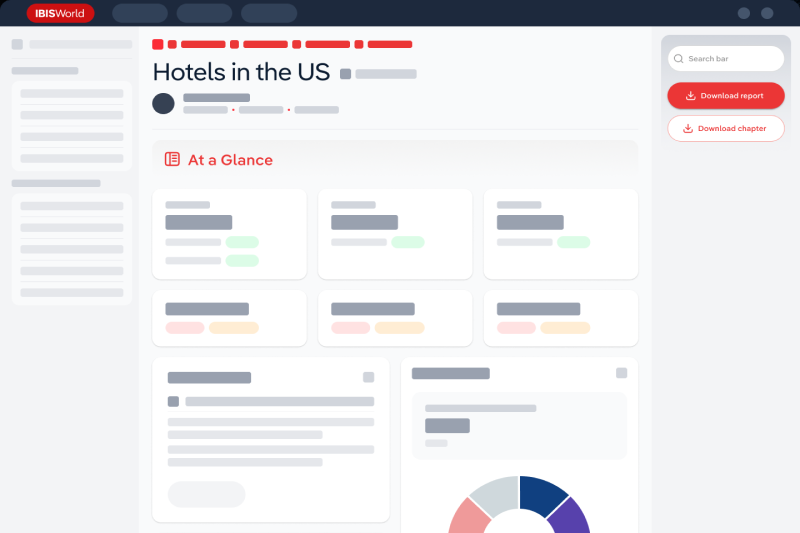
Answer any industry question in minutes with our entire database at your fingertips.
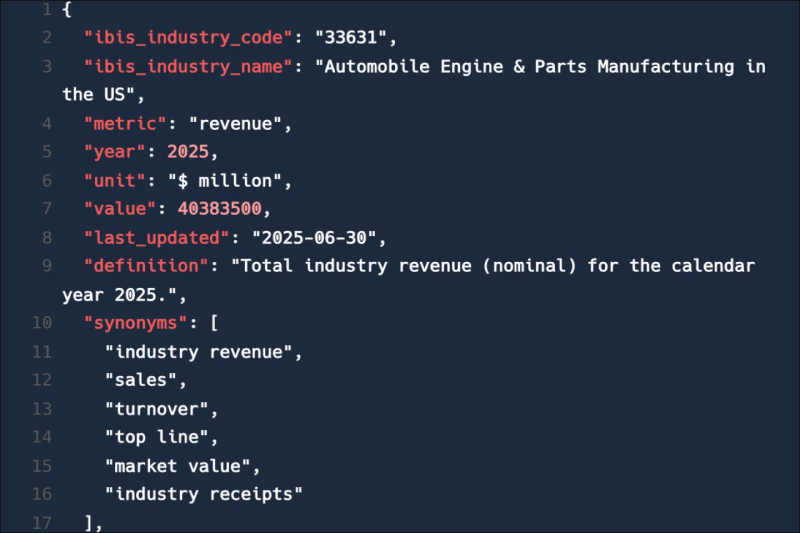
Feed trusted, human-driven industry intelligence straight into your platform.
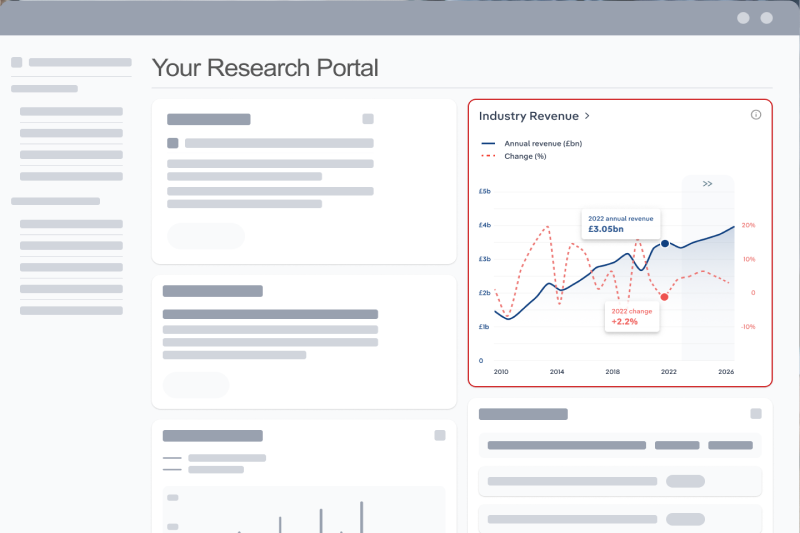
Streamline your workflow with IBISWorld’s intelligence built into your toolkit.
Explore industries with similar markets, supply chains, and economic drivers to gain broader context and insights.
When the stakes are high, you need intelligence that cuts through the noise—wherever you work.
The healthy eating index in the US in 2025 was 62.93%.
The healthy eating index in the US declined by -0.62% in 2025.
IBISWorld’s data and analysis on healthy eating index in the US includes forecasted growth rates over the next five years.