IBISWorld Platform
Answer any industry question in minutes with our entire database at your fingertips.

In 2026, federal funding allocated for transportation is estimated to reach $113.8 billion, reflecting a 1.0% increase from the previous year. Growth is muted because 2026 is the final year of the surface transportation authorizations and multiyear advance appropriations provided by the Infrastructure Investment and Jobs Act, which lapse at the end of September. Congress did not enact full-year appropriations until February, following the record 43-day shutdown that furloughed FAA staff and forced flight cuts at major airports. The One Big Beautiful Bill Act continues to shape allocations, having rescinded unobligated Inflation Reduction Act programs targeting emissions and equity while funding a new air traffic control system. Funding remains concentrated in ground transportation, including streets, highways, bridges and railways, with airports and air traffic receiving the second-largest share. Water transportation and miscellaneous costs account for the remainder.Federal transportation funding has been volatile over the past five years, shaped by the unwinding of pandemic aid, elevated inflation and abrupt shifts in executive priorities. Early in the period, transit agencies and airports were still drawing down emergency relief appropriated through the CARES Act and subsequent pandemic packages. As those one-time funds were exhausted, headline funding growth slowed and rapid construction cost inflation eroded the purchasing power of each dollar appropriated, so real funding declined even where nominal appropriations held steady.Infrastructure legislation then drove the strongest growth of the period. The Infrastructure Investment and Jobs Act combined an authorization with advance appropriations designated as emergency spending, pushing formula and competitive grant obligations for highways, bridges, transit and passenger rail well above pre-2021 baselines. Inflation Reduction Act programs added funding for low-carbon materials, neighborhood access and clean ports.Policy reversals dominated the back half of the period. Executive orders paused disbursement of electric vehicle charging and climate-oriented grants, and the Department of Transportation terminated billions in awards for California high-speed rail. Much of this was contested successfully in court, with a federal judge ruling the freeze of the National Electric Vehicle Infrastructure program unlawful and permanently barring interference with state funds. Budget reconciliation then made several rescissions permanent. Legislative cycles, appropriations brinkmanship and partisanship therefore mattered as much as macroeconomic conditions, and the 43-day shutdown demonstrated how quickly funding disruptions translate into operational strain and lost economic activity.
Curious about what drives these trends? IBISWorld's analyst coverage on the federal funding for transportation includes detailled analysis on the current performance, outlook and industries affected.
1980-2032
Federal spending for transportation is part of the White House's discretionary spending budget. The data, including forecasts, are sourced from the White House Office of Management and Budget (OMB) and presented in 2017 constant dollars.
IBISWorld Industry Reports are available in multiple formats to fit seamlessly into your workflow.

Answer any industry question in minutes with our entire database at your fingertips.
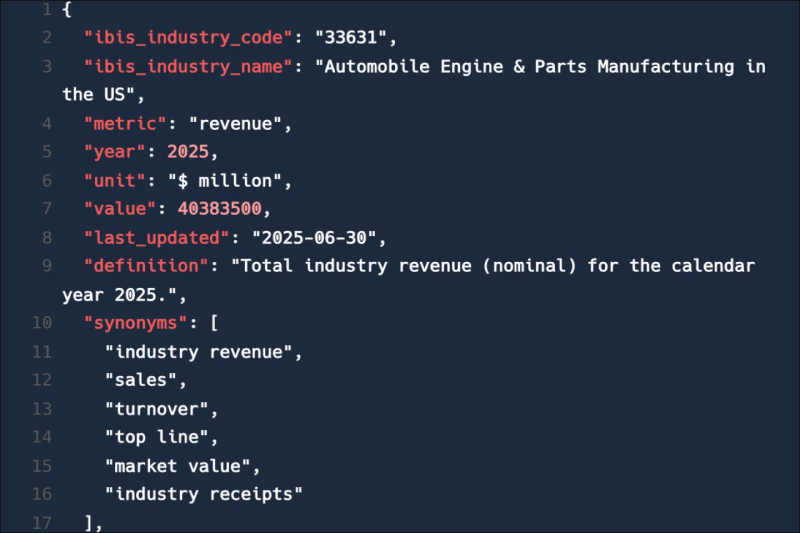
Feed trusted, human-driven industry intelligence straight into your platform.
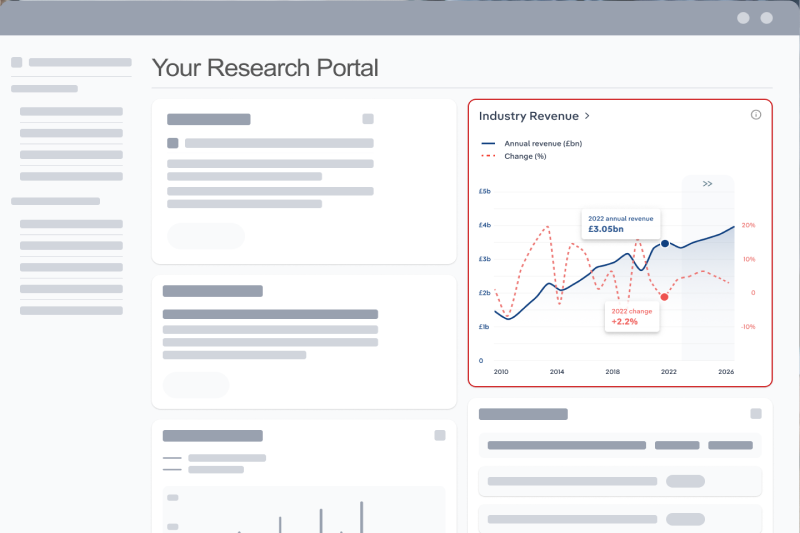
Streamline your workflow with IBISWorld’s intelligence built into your toolkit.
Explore industries with similar markets, supply chains, and economic drivers to gain broader context and insights.
When the stakes are high, you need intelligence that cuts through the noise—wherever you work.
The federal funding for transportation in the US in 2026 was $113.8 billion.
The federal funding for transportation in the US declined by -4.07% in 2026.
IBISWorld’s data and analysis on federal funding for transportation in the US includes forecasted growth rates over the next five years.