IBISWorld Platform
Answer any industry question in minutes with our entire database at your fingertips.

Domestic travel by US residents is forecast to grow 2.4% in 2026, supported by increasingly favorable attitudes toward air travel among older consumers. An AARP survey of adults over 50 found that close to 49.0% of those planning trips intend to fly for domestic travel this year, the largest share the survey recorded to date. Respondents also plan more trips, averaging 3.9 in 2025, up from 3.6 in 2025, which points to rising travel frequency among a demographic with substantial discretionary spending power. Capacity growth on key leisure routes reinforces the trend. Hawaii's Department of Business, Economic Development and Tourism reported that July 2026 air seats to the islands rose 8.7% from the US West and 11.4% from the US East year over year. Both source markets stand to benefit as summer travel intent holds steady and Hawaii retains its appeal among luxury travelers willing to absorb higher fares for premium destinations.The period from 2021 to 2026 saw US domestic travel undergo dramatic fluctuation. As conditions eased, 2021 saw a 79.5% rebound, fueled by pent-up demand and the resumption of mobility. Accumulated savings and federal stimulus initiatives supported continued gains in 2022 (23.9%), although the pace moderated in subsequent years. By 2023, market normalization combined with higher transportation and accommodation costs, while Federal Reserve rate hikes curbed discretionary spending, leading to a 9.2% growth rate that slowed further to 3.6% in 2024. Across this period, recurring inflation and volatile oil prices continuously challenged consumer affordability, but persistent demand, online booking innovations, and the emergence of budget airlines helped maintain sector resilience. Digital platforms enhanced price transparency, and changing demographics—such as a higher share of Millennial travelers and aging populations with disposable income—further shaped trip frequency and destination preferences. Business travel remained subdued as virtual meeting technologies removed the need for in-person interactions for many organizations. A modest reversal in ticket prices and the growing presence of low-cost carriers facilitated travel, with the sector achieving a 7.2% compound annual growth over the five-year span and regaining ground above pre-pandemic levels.
Curious about what drives these trends? IBISWorld's analyst coverage on the domestic trips by us residents includes detailled analysis on the current performance, outlook and industries affected.
1990-2032
This report tracks the number of domestic flights within the United States for leisure and business. The data is sourced from the Bureau of Transportation Statistics T-100 Market and Segment series.
IBISWorld Industry Reports are available in multiple formats to fit seamlessly into your workflow.
Answer any industry question in minutes with our entire database at your fingertips.
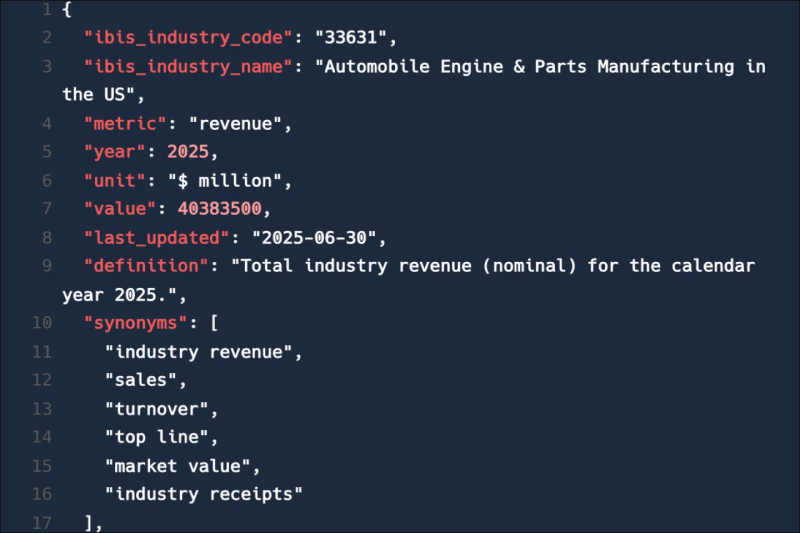
Feed trusted, human-driven industry intelligence straight into your platform.
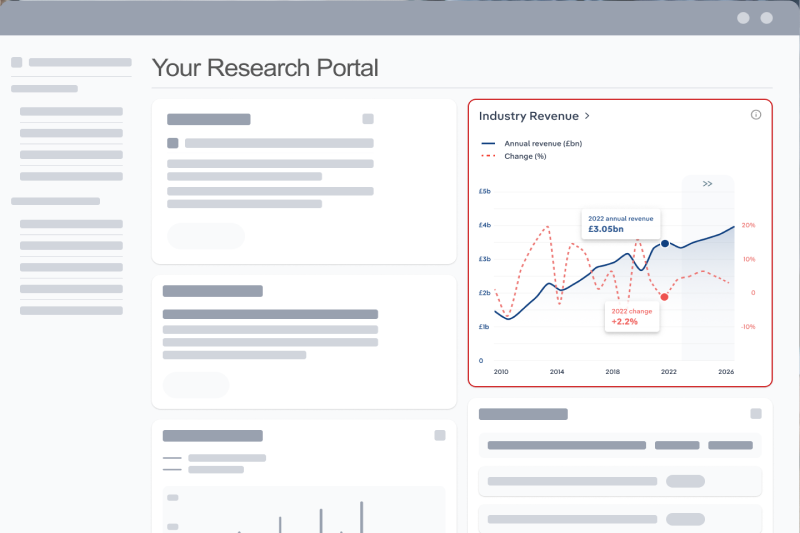
Streamline your workflow with IBISWorld’s intelligence built into your toolkit.
Explore industries with similar markets, supply chains, and economic drivers to gain broader context and insights.
When the stakes are high, you need intelligence that cuts through the noise—wherever you work.
The domestic trips by us residents in the US in 2026 was 724.08 million.
The domestic trips by us residents in the US grew by 7.21% in 2026.
IBISWorld’s data and analysis on domestic trips by us residents in the US includes forecasted growth rates over the next five years.