
IBISWorld Platform
Answer any industry question in minutes with our entire database at your fingertips.

The ratio of household debt to disposable income is expected to reach 132.8% in 2023-24. In 2014-15, both secured and unsecured debt increased, while low-income growth contributed towards a rising level of household debt to disposable income. The inflation rate had been decreasingly gradually over the four years through 2015-16, briefly falling below 0% on two occasions during 2015, far below the target rate of 2% as the government sought to stimulate the economy. The stamp duty holiday aimed at stimulating the economy after the coronavirus outbreak which lasted to September 2021, further increased demand for mortgages.However, in 2016-17, inflation began to pick up as the low value of the pound increased the cost of imports. Real disposable income started to slowly increase from 2014-15, after several years of poor performance. In recent years consumers have been cautious over spending due to uncertainty over the state of the economy. Furthermore, government-backed housing schemes such as the Funding for Lending Scheme and Help to Buy increased household demand for mortgages.Low interest rates and government backing have also helped to reduce rates on borrowing, not just for mortgages but for personal loans and credit cards as well. Over 2015-16, both secured and unsecured debt increased, however as disposable income also increased, the ratio of household debt to disposable remained static. However, a greater increase in unsecured debt borrowing on credit cards and loans, coupled with weaker growth in disposable income levels increased the ratio during 2017-18, with the ratio of household debt to disposable income rising by 1.8 percentage points. The ratio of household debt to disposable income was significantly affected by the COVID-19 (coronavirus) pandemic in 2020-21, as the virus outbreak halted economic activity and led to increased use of unsecured debt. More households resorted to the use of available credit facilities. For a large proportion of households, lockdown measures led to enforced halt to spending with households paying off a significant amount of debt. However, a large proportion of households also experienced cuts in income, job losses or being furloughed which has encouraged more people to take on debt. Overall, the rate of household debt has slowed slightly with many households prioritising essential spending. Due to the crisis, many institutions suspended lending which has affected the ratio of household debt. As a result, the ratio of household debt to disposable income increased by 1.8% in 2020-21. However, these pressures eased during 2021-22 as the UK's level of household debt to disposable income fell by 0.2%, as the successful COVID-19 vaccine rollout allowed for a reopening of the global and domestic economy with employees returning to work and full salaries resumed and a steady winddown of the furlough scheme.This is because the UK economy is expected to face a significant rise in inflation and a subsequent cost of living crisis. For instance, the ONS announced on 18 May 2022 that the UK's consumer price inflation had reached 9% in April 2022, surpassing the peaks of the early 1990s recession that consisted of sky-high interest rates and widespread mortgage defaults. Soaring energy bills being the biggest inflation driver of inflation. The UK 12-month CPI inflation rate rose to 9.6% in October 2022 and the Bank of England has suggested it could rise above the 10% mark during the calendar year, driven in large part by supply-side factors; specifically, these supply-side factors relate to supply chain disruption, caused by both the Russia-Ukraine conflict and ensuing pandemic-induced market difficulties, and resultant energy commodity price volatility and issues in goods trade. The ratio of household debt to disposable income is estimated to fall by 0.6 percentage points over the five years through 2023-24.
Curious about what drives these trends? IBISWorld's analyst coverage on the ratio of household debt to disposable income includes detailled analysis on the current performance, outlook and industries affected.
2006-2030
The ratio of household debt to disposable income is a measure of household indebtedness. It shows the average percentage of annual income that is equal to the amount of household debt. The data are sourced from the Office for Budget Responsibility (OBR) and the Office of National Statistics (ONS) and are expressed as percentages over each fiscal year. Forecasted figures are sourced from the OBR, with the exception of 2025-26 and 2026-27, which are estimated by IBISWorld. Debt includes mortgage debt and student loan debt.
IBISWorld Industry Reports are available in multiple formats to fit seamlessly into your workflow.

Answer any industry question in minutes with our entire database at your fingertips.
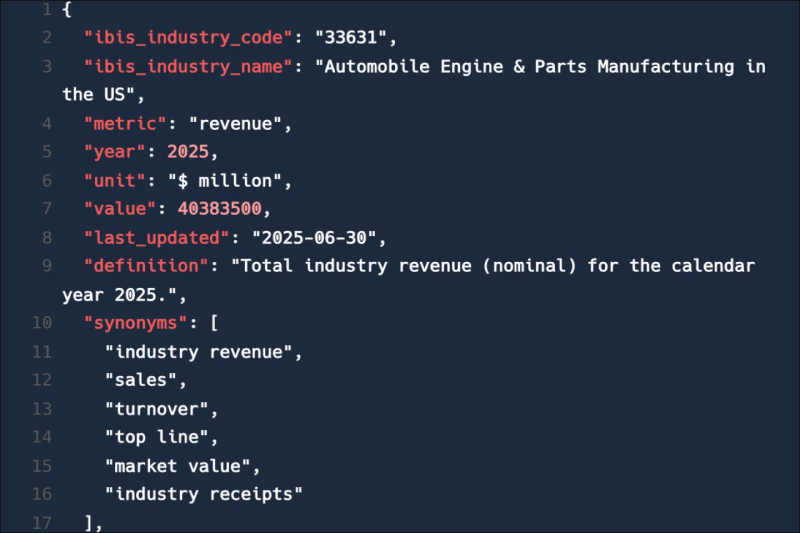
Feed trusted, human-driven industry intelligence straight into your platform.
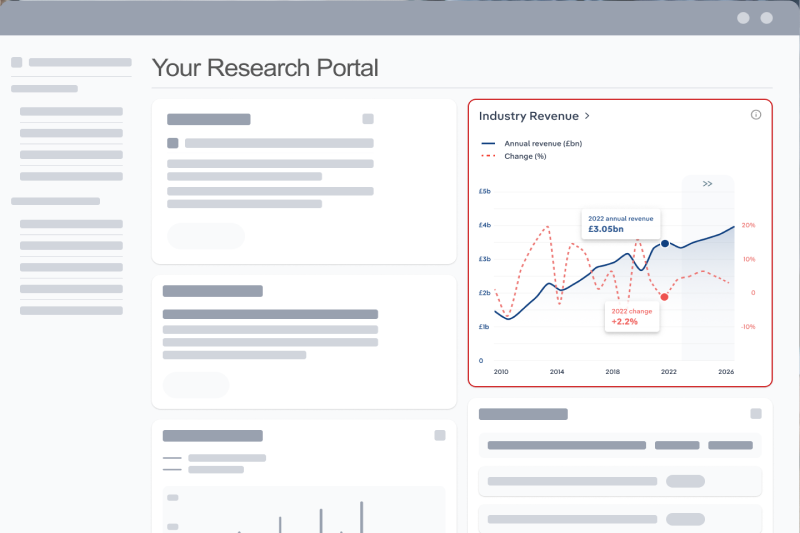
Streamline your workflow with IBISWorld’s intelligence built into your toolkit.
Explore industries with similar markets, supply chains, and economic drivers to gain broader context and insights.
| Industry | Country | Last 5-yr CAGR | Forecast 5-year CAGR | Revenue |
|---|---|---|---|---|
| Credit Bureaux & Rating Agencies in the UK |

|
XX% | XX% | $XX |
| Credit Card Issuance in the UK |
|
XX% | XX% | $XX |
| Sports Clubs in the UK |
|
XX% | XX% | $XX |
| Building Societies in the UK |
|
XX% | XX% | $XX |
| Debt Collection Agencies in the UK |
|
XX% | XX% | $XX |
| Non-Depository Financing in the UK |
|
XX% | XX% | $XX |
| Banks in the UK |
|
XX% | XX% | $XX |
| Mortgage Brokers in the UK |
|
XX% | XX% | $XX |
| Household Appliance & Garden Equipment Repair in the UK |
|
XX% | XX% | $XX |
When the stakes are high, you need intelligence that cuts through the noise—wherever you work.
The ratio of household debt to disposable income in the UK in 2024 was 132.83 percentage.
The ratio of household debt to disposable income in the UK declined by -0.12% in 2024.
IBISWorld’s data and analysis on ratio of household debt to disposable income in the UK includes forecasted growth rates over the next five years.