IBISWorld Platform
Answer any industry question in minutes with our entire database at your fingertips.

Public sector funding covers pre-primary schools, primary schools, secondary schools and post-secondary non-tertiary schools which include sixth-form colleges, further education colleges and vocational colleges. IBISWorld estimates that spending on pre-tertiary education will increase at a compound annual rate of 3.2% to reach £87 billion over the five years through 2023-24. Meanwhile, the population aged 0 to 10 years is expected to decrease at a compound annual rate of 0.2% and the population between 11-19 is expected to rise at a compound annual rate of 1.1% over the same period, meaning that funding per pupil is expected to edge upwards for younger pupils, but not for older pupils. The majority of the funding is absorbed by secondary and primary education institutions, which accounted for 59.8% and 34.1% of total funding in 2020-21, respectively. This proportion has decreased slightly for primary schools over the past five years, while the proportion going to secondary schools has increased.Funding for pre-tertiary education is generally determined by two factors; the numbers in attendance and the funding per pupil. The numbers in attendance can be seen by the population of those aged 19 and under, given that almost all pupils in pre-tertiary education are in that age group. The population of those aged 10 years and under has increased over the majority of the past five years, as has those aged between 11 and 19 years. This has helped to support higher levels of public funding for pre-tertiary education. Secondly, per-pupil funding has generally increased over the past five years. In 2022-23, £53.5 billion will be granted to pre-tertiary education institutions and this figure is expected to increase over the two years through 2024-25. The average funding per pupil across all ages in 2022-23 will be £5,212, a 2.8% increase on the previous year according to the Department of Education.Pre-tertiary education funding has also been boosted over the period by the rise of the school leavers age to 18 in 2015. Ad hoc funding has also increased expenditure, with the 2017 Budget, an additional £500 million was put forward for school refurbishment works, which includes a fund of £320 million to help set up 140 new state-funded free schools. In 2022, it was also announced an additional £18 million of new funding, due to inflationary pressures resulting in rising living costs, free school meals will therefore increase from £2.34 per meal in 2021-22 to £2.41 per meal in 2022-23, amounting £457.9 per pupil, per year, in 2022-23. This was part of a wider plan to open 500 free schools by September 2020. In the 2018 budget, a further £400 million to help schools, which supported growth. In the 2020 budget, the government also £90 million per year for Art Premium to support extracurricular activities. As a result, public funding for pre-tertiary funding is expected to rise by 0.7% in 2022-23.
Curious about what drives these trends? IBISWorld's analyst coverage on the public-sector funding for pre-tertiary education includes detailled analysis on the current performance, outlook and industries affected.
2000-2030
This report analyses public sector spending on pre-tertiary education in the United Kingdom. This includes expenditure on pre-primary schools, primary schools, secondary schools, and post-secondary non-tertiary education. The data are sourced from HM Treasury Public Expenditure Statistical Analyses. Figures are presented in current prices over fiscal years (April to March).
IBISWorld Industry Reports are available in multiple formats to fit seamlessly into your workflow.

Answer any industry question in minutes with our entire database at your fingertips.
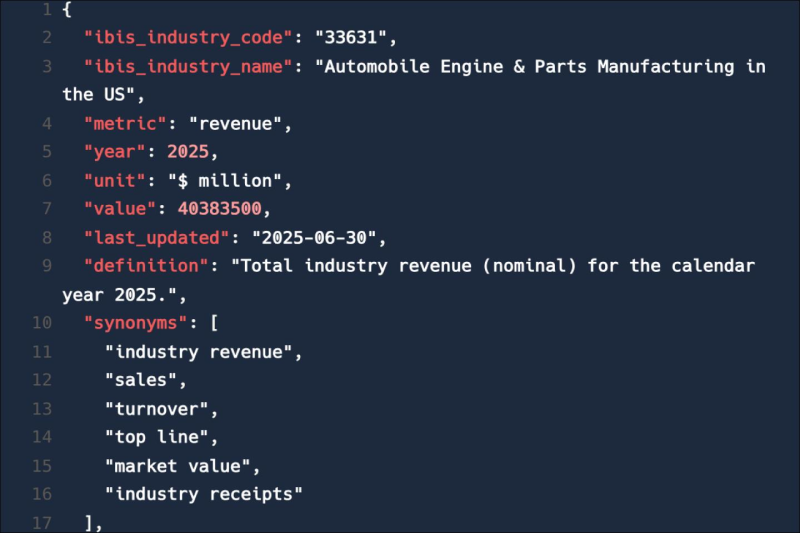
Feed trusted, human-driven industry intelligence straight into your platform.
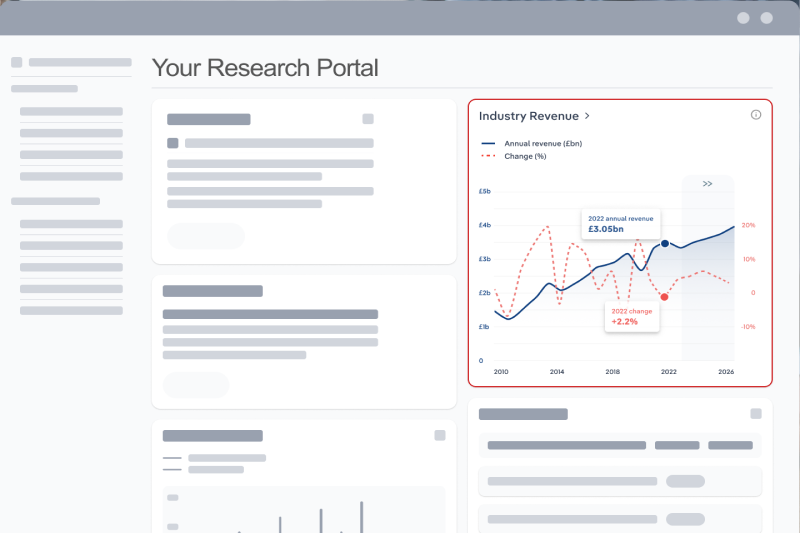
Streamline your workflow with IBISWorld’s intelligence built into your toolkit.
Explore industries with similar markets, supply chains, and economic drivers to gain broader context and insights.
| Industry | Country | Last 5-yr CAGR | Forecast 5-year CAGR | Revenue |
|---|---|---|---|---|
| General Secondary Education in the UK |

|
XX% | XX% | $XX |
| Primary Education in the UK |
|
XX% | XX% | $XX |
| Pre-Primary Education in the UK |
|
XX% | XX% | $XX |
| Language Learning Software Developers in the UK |
|
XX% | XX% | $XX |
When the stakes are high, you need intelligence that cuts through the noise—wherever you work.
The public-sector funding for pre-tertiary education in the UK in 2024 was 87 £ billion.
The public-sector funding for pre-tertiary education in the UK grew by 3.25% in 2024.
IBISWorld’s data and analysis on public-sector funding for pre-tertiary education in the UK includes forecasted growth rates over the next five years.