IBISWorld Platform
Answer any industry question in minutes with our entire database at your fingertips.

IBISWorld estimates that the average price of animal feed will rise at a compound annual rate of 0.9% over the five years through 2026-27, to reach £314.00 per tonne. The prices reflect the cost of compound feed, a commercially produced mixture of raw materials and animal feed additives blended into custom feeds for different animals. Animal feed prices are primarily influenced by fluctuations in the cost of raw materials such as wheat, barley, oats and maize. Changeable crop yields resulting from volatile weather can induce supply shifts which, if not mirrored by changes in demand, can cause significant input price fluctuation. This typically affects animal feed asking prices.Prices surged early in the period as inflationary pressure and the war between Russia and Ukraine limited global grain supply, leading to a sharp expansion of 33.2% in 2022-23. Prices then fell back as global grain and fertiliser markets normalised from the post-Ukraine shock, wiping out most of the earlier gains. By early 2026, UK feed wheat futures for May-26 had reached just £168.45 per tonne. The US–Iran conflict has since reversed some of that relief. The Strait of Hormuz closed to nearly all shipping traffic on 28 February. By late March, UK-produced ammonium nitrate prices were up 25% and granular urea prices up 36%, and higher oil prices also raised freight, shipping and transport costs. Grain prices followed. In July, November 2026 UK feed wheat futures hit a contract high of £207.00 per tonne, breaking the £200.00 threshold. As a result, animal feed prices are expected to climb by 2.0% in 2026-27. Growth has been tempered because most arable farmers had already bought fertiliser for this year's crops, while rapid harvest progress brought new supplies to market.
Curious about what drives these trends? IBISWorld's analyst coverage on the animal feed prices includes detailled analysis on the current performance, outlook and industries affected.
2001-2033
This report analyses animal feed prices in Great Britain. The data is sourced from the Department for Environment, Food and Rural Affairs (Defra) in addition to estimates by IBISWorld. The data is originally sourced from a quarterly survey of animal feed companies and specialised integrated poultry units. The figures represent the weighted average price of compound animal feed for cattle, pigs, sheep and poultry over each financial year.
IBISWorld Industry Reports are available in multiple formats to fit seamlessly into your workflow.

Answer any industry question in minutes with our entire database at your fingertips.
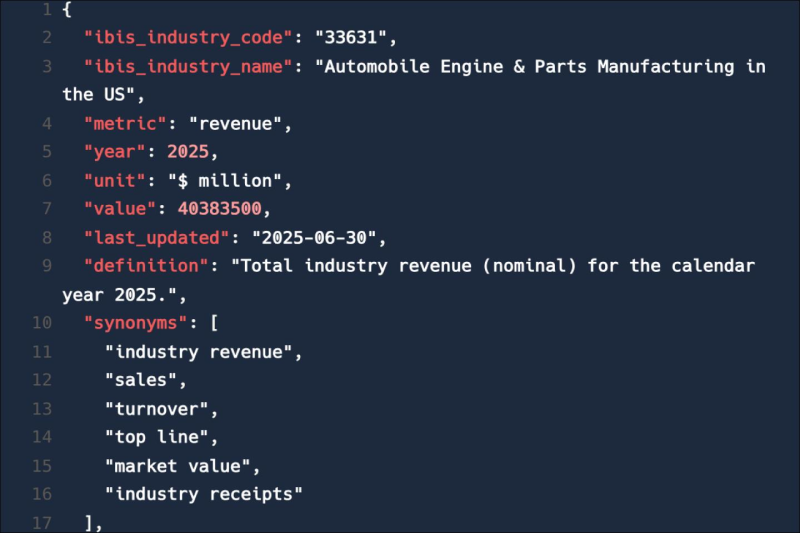
Feed trusted, human-driven industry intelligence straight into your platform.
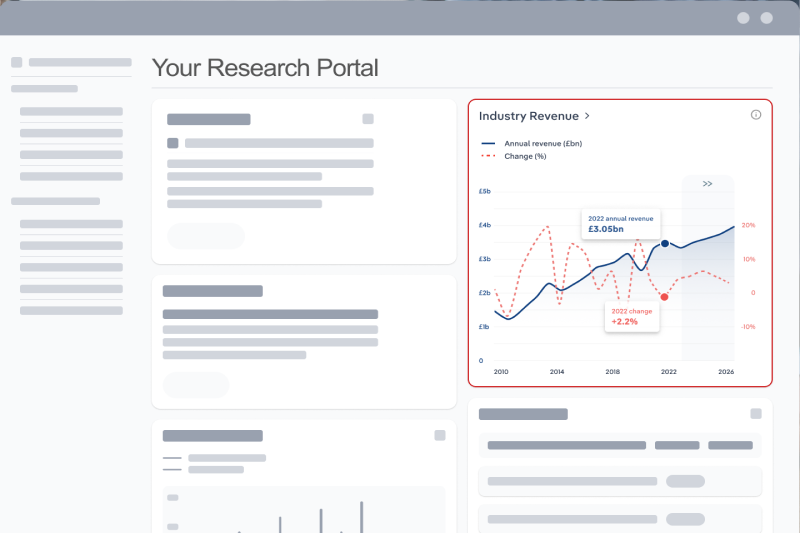
Streamline your workflow with IBISWorld’s intelligence built into your toolkit.
Explore industries with similar markets, supply chains, and economic drivers to gain broader context and insights.
| Industry | Country | Last 5-yr CAGR | Forecast 5-year CAGR | Revenue |
|---|---|---|---|---|
| Poultry Meat Processing in the UK |

|
XX% | XX% | $XX |
| Poultry Raising in the UK |
|
XX% | XX% | $XX |
| Sheep & Goat Farming in the UK |
|
XX% | XX% | $XX |
| Dairy Cattle Raising in the UK |
|
XX% | XX% | $XX |
| Live Animal Wholesaling in the UK |
|
XX% | XX% | $XX |
When the stakes are high, you need intelligence that cuts through the noise—wherever you work.
The animal feed prices in the UK in 2027 was 313.96 £.
The animal feed prices in the UK grew by 0.9% in 2027.
IBISWorld’s data and analysis on animal feed prices in the UK includes forecasted growth rates over the next five years.