IBISWorld Platform
Answer any industry question in minutes with our entire database at your fingertips.

IBISWorld estimates the price of residential housing will edge up by 0.5% during 2026-27, to 94.0 index points, leaving values broadly flat for a third consecutive year and still below their 2021 december quarter peak. Prices have not rebounded despite the RBNZ cutting the official cash rate sharply from its 2024 high, which lowered mortgage rates. Weak net migration, a soft labour market and stretched affordability have kept buyers cautious, while a well-supplied market has handed them more choice, with the national stock of homes listed for sale climbing to around 37,000 properties in early 2026, its highest level since 2015, according to realestate.co.nz. New dwelling consents have begun to recover, reaching 7.4 per 1,000 residents in the year to May 2026, according to Stats NZ (Tatauranga Aotearoa), up from 6.3 a year earlier, though this remains well below the early-1970s peak of 13.4 per 1,000. Property turnover has picked up even as prices have held steady, with the number of transfers rising in recent years.The pandemic was a major driver of volatility in residential housing prices over the past five years, upending both supply and demand for housing in New Zealand. For much of the past decade, an extended period of very low interest rates drove housing investment, putting upwards pressure on prices. In the early stages of the pandemic, interest rates were reduced to record lows to offset its negative economic effects. Investment flooded in from both owner-occupiers and property investors. At the same time, pandemic-related restrictions on both labour and material supply heavily undermined housing supply and put further upwards pressure on prices in the residential property market. These imbalances in supply and demand caused a major surge in residential housing prices in 2020-21 and 2021-22.Prior to the pandemic, strong demand for residential property from overseas buyers and high net migration numbers were major factors behind a consistent rise in residential housing prices. Low mortgage interest rates and the absence of a capital gains tax on investments also contributed to the attractiveness of the New Zealand residential property market for private investors. Policy changes have shifted this dynamic, particularly since 2021-22. The volume of foreign investment is increasingly constrained by the foreign buyer ban that passed through the New Zealand Parliament (Paremata Aotearoa) in 2018. Migration also collapsed during the pandemic, after New Zealand closed its international borders from March 2020 to August 2022. The Official Cash Rate soared during 2022-23 and 2023-24, which heavily constrained domestic investment in residential property and drove a major slowdown and subsequent price decline. The RBNZ then reversed course, cutting the cash rate from late 2024 to restore mortgage affordability but in 2026 reversed course again hiking the rate from 2.25% to 2.5% in July. The price response has been muted so far, as a sharp slowdown in net migration and cautious buyer sentiment have offset the benefit of cheaper credit in an overall relative sense. IBISWorld estimates the residential housing price index to fall at a compound annual rate of 1.2% over the five years through 2026-27.
Curious about what drives these trends? IBISWorld's analyst coverage on the residential housing prices includes detailled analysis on the current performance, outlook and industries affected.
1991-2034
This report analyses the price of residential housing in New Zealand. The data is presented as an index with a base year of 2022-23 and measures changes in residential house prices across New Zealand. The data for this report is compiled by CoreLogic, sourced from the Reserve Bank of New Zealand (Te Putea Matua), or RBNZ, and is presented in financial years.
IBISWorld Industry Reports are available in multiple formats to fit seamlessly into your workflow.

Answer any industry question in minutes with our entire database at your fingertips.
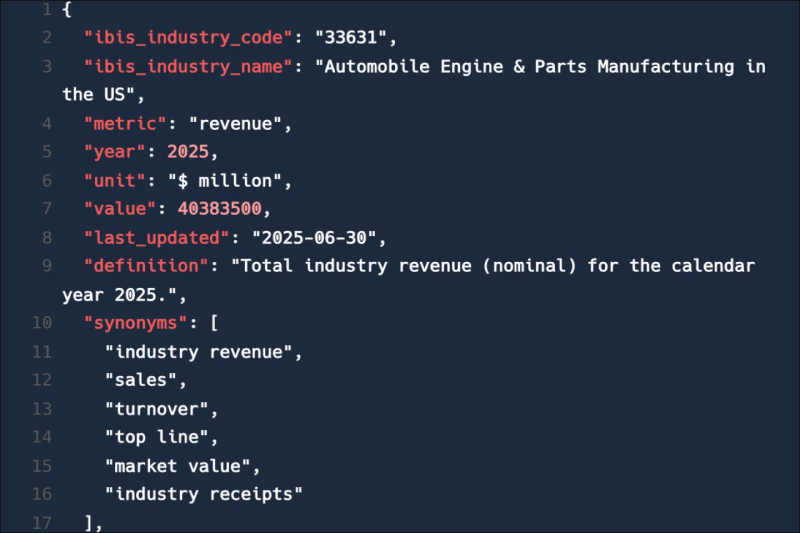
Feed trusted, human-driven industry intelligence straight into your platform.
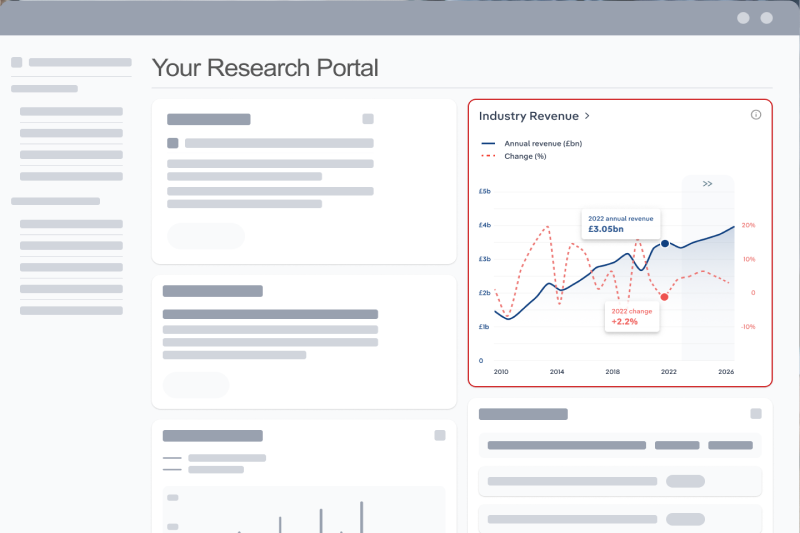
Streamline your workflow with IBISWorld’s intelligence built into your toolkit.
Explore industries with similar markets, supply chains, and economic drivers to gain broader context and insights.
| Industry | Country | Last 5-yr CAGR | Forecast 5-year CAGR | Revenue |
|---|---|---|---|---|
| Real Estate Services in New Zealand |

|
XX% | XX% | $XX |
| Banking in New Zealand |
|
XX% | XX% | $XX |
| House Construction in New Zealand |
|
XX% | XX% | $XX |
When the stakes are high, you need intelligence that cuts through the noise—wherever you work.
The residential housing prices in New Zealand in 2027 was 94 index points.
The residential housing prices in New Zealand declined by -1.15% in 2027.
IBISWorld’s data and analysis on residential housing prices in New Zealand includes forecasted growth rates over the next five years.