
IBISWorld Platform
Answer any industry question in minutes with our entire database at your fingertips.

IBISWorld estimates that residential housing loan rates will fall by 0.64 percentage points in 2026-27, averaging 5.85%. Rates have been pulled lower by the RBNZ's easing cycle, which began in August 2024 and took the Official Cash Rate (OCR) down to 2.25% by November 2025. That easing cycle has since turned. With annual inflation of 3.1% in the year to December 2025 sitting just above the top of its 1% to 3% target band, the RBNZ raised the OCR to 2.50% on 8 July 2026, its first increase since 2023. Residential housing loan rates nonetheless continued to ease over 2026-27, as the deep OCR cuts of 2024 and 2025 gradually passed through to fixed-rate rollovers, although the pace of decline slowed sharply.The OCR is the main influence on residential housing loan rates. Although banks can set mortgage rates independently, these rates tend to follow the OCR both up and down. Alongside the OCR, the RBNZ uses macro-prudential tools that shape the wider lending environment. Loan-to-value ratio (LVR) restrictions limit how much low-deposit lending banks can write, while the Debt-to-Income (DTI) ratio, introduced on 1 July 2024, caps most owner-occupier borrowing at six times gross income. Prescriptive affordability rules under the Credit Contracts and Consumer Finance Act were also pared back from 31 July 2024, making it easier for lenders to advance credit.Over the five years through 2026-27, residential housing loan rates have moved through a full cycle. Pandemic-era support, including the temporary removal of LVR restrictions in May 2020 and their reinstatement through 2021, gave way to steep OCR increases from October 2021 as inflation surged, lifting residential housing loan rates to a peak of 8.54% in 2023-24. The subsequent easing cycle, together with the progressive loosening of LVR limits, most recently the lift in the high-LVR 'speed limit' to 25% on 1 December 2025, has brought rates back down, although they remain well above their early-decade lows. On balance, IBISWorld estimates residential housing loan rates will have risen at an annualised 0.23 percentage points over the five years through the end of 2026-27.
Curious about what drives these trends? IBISWorld's analyst coverage on the residential housing loan rates includes detailled analysis on the current performance, outlook and industries affected.
1965-2034
This report analyses the average standard residential mortgage interest rates from registered banks for new borrowers, excluding special rates. The data is collected monthly and represents the average of the standard, advertised and offered interest rates. Actual interest rates on loans can vary based on the loan-to-value ratio and the borrower's ability to service the loan. The Reserve Bank of New Zealand (Te Putea Matua) (RBNZ) is the source for this report and its data is presented as the average interest rate for each financial year.
IBISWorld Industry Reports are available in multiple formats to fit seamlessly into your workflow.

Answer any industry question in minutes with our entire database at your fingertips.
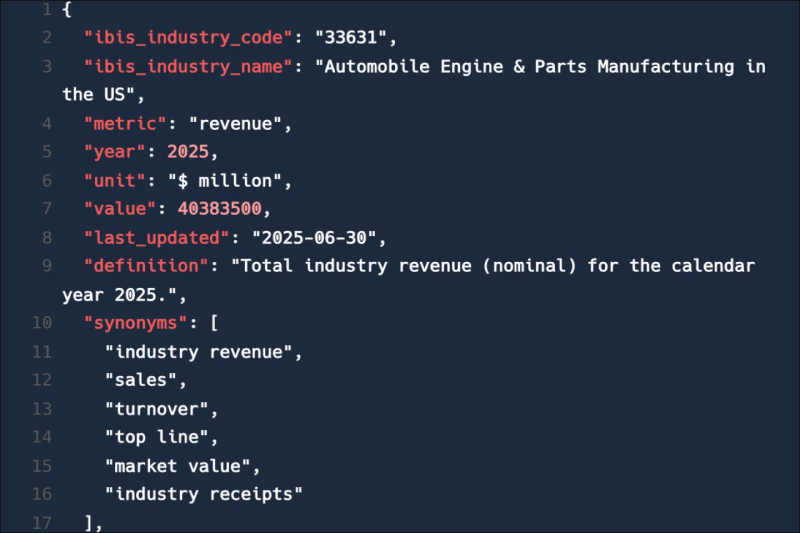
Feed trusted, human-driven industry intelligence straight into your platform.
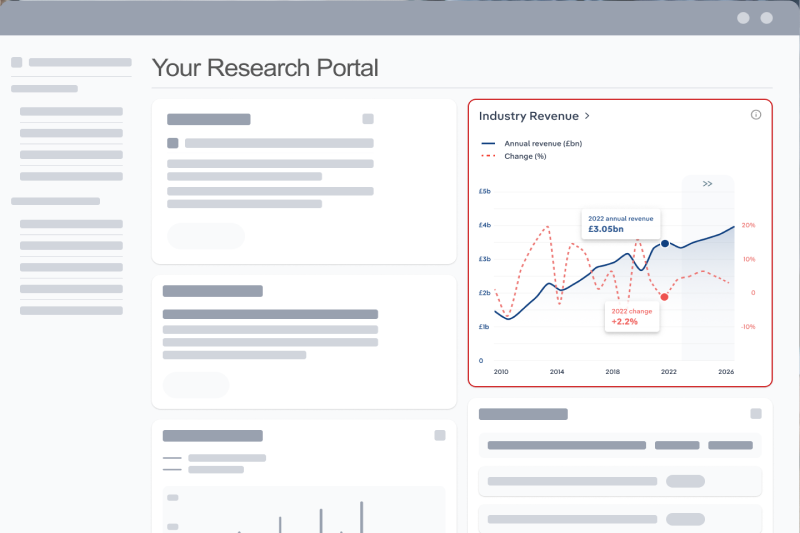
Streamline your workflow with IBISWorld’s intelligence built into your toolkit.
Explore industries with similar markets, supply chains, and economic drivers to gain broader context and insights.
| Industry | Country | Last 5-yr CAGR | Forecast 5-year CAGR | Revenue |
|---|---|---|---|---|
| Financial Asset Broking Services in New Zealand |

|
XX% | XX% | $XX |
| Banking in New Zealand |
|
XX% | XX% | $XX |
| House Construction in New Zealand |
|
XX% | XX% | $XX |
| Non-Banks & Other Financial Institutions in New Zealand |
|
XX% | XX% | $XX |
| Multi-Unit Apartment & Townhouse Construction in New Zealand |
|
XX% | XX% | $XX |
| Plastering & Ceiling Services in New Zealand |
|
XX% | XX% | $XX |
| Real Estate Services in New Zealand |
|
XX% | XX% | $XX |
When the stakes are high, you need intelligence that cuts through the noise—wherever you work.
The residential housing loan rates in New Zealand in 2027 was 5.85 percentage.
The residential housing loan rates in New Zealand grew by 0.23% in 2027.
IBISWorld’s data and analysis on residential housing loan rates in New Zealand includes forecasted growth rates over the next five years.