IBISWorld Platform
Answer any industry question in minutes with our entire database at your fingertips.

IBISWorld forecasts real household disposable income to rise by 0.8% during 2026-27 to total $223.0 billion. While this growth rate is lower than historical averages (which measured at 3.9% per year on average between 2009-10 and 2020-21), it marks an uptick on growth rates witnessed in the previous two years. Across this preceding two-year period, New Zealand's economy has struggled with stagnant real GDP and unemployment reaching the highest level since the mid 2010s, currently sitting at a high of 5.6% as of June 2026. The unemployment rate is expected to fall slightly over the back half of 2026-27, with strong GDP growth and positive business confidence supporting this drop, driving increased hiring and upwards pressure on wages and disposable income. However, in July 2026, the RBNZ (Te Patea Matua) entered a contractionary monetary policy cycle, hiking the Official Cash Rate by 25 basis points. Further hikes to the cash rate later in the year would increase interest repayment burdens on household debt, limiting the aggregate growth in real household disposable income.Real household disposable income has fluctuated over the past five years, initially due to pandemic-related disruptions and their economic impacts. The Wage Subsidy Scheme, implemented by the New Zealand Government (Te Kawanatanga o Aotearoa) to help cover wages for employees, supported strong wage growth in 2020-21. Simultaneously, substantial cuts to the Official Cash Rate reduced mortgage interest payments, which are among the largest deductions when calculating disposable income from aggregate total income. However, economic uncertainty following the pandemic and high inflationary pressures led to a decline in disposable incomes over the two years through 2022-23. As the RBNZ sought to combat inflation with hikes to the cash rate throughout the second half of 2021-22 and 2022-23, disposable incomes suffered, as mortgage repayments trended upwards, offsetting the positive shock from the previous two years that had seen real household disposable income deviate from its long-run growth path. In 2023-24, the cash rate remained stable at 5.5% for more than 3 quarters of the year, marking the end of cash rate hikes. While this kept mortgage repayments high, real GDP growth throughout the year supported disposable income expansions. Post-pandemic turbulence in real household discretionary income has subsided across 2024-25 and 2025-26. While stagnant real GDP and high unemployment have placed downwards pressure on household disposable income, cuts to the cash rate across the two-year period have relieved interest rate burdens on mortgage holders, allowing real household disposable income to inch upwards. Despite this marginal growth in aggregate disposable income, growth has largely mirrored workforce size expansions, keeping per capita disposable income relatively stable over the two-year period. Overall, IBISWorld forecasts real household disposable income to rise at a compound annual rate of 0.7% over the five years through 2026-27.
Curious about what drives these trends? IBISWorld's analyst coverage on the real household disposable income includes detailled analysis on the current performance, outlook and industries affected.
1987-2034
This report analyses aggregate real household disposable income in New Zealand. The data for this report is sourced from Statistics New Zealand (Tatauranga Aotearoa). Gross disposable income is the total primary and secondary income less taxes on income and wealth, interest payments, non-life insurance premiums and other current transfers payable. Real household disposable income is the income available for final consumption and saving. This differs from household discretionary income, which is the income available after necessary purchases have been made. The data is presented in 2021-22 dollars, converted using the consumer price index and is presented in financial years.
IBISWorld Industry Reports are available in multiple formats to fit seamlessly into your workflow.

Answer any industry question in minutes with our entire database at your fingertips.
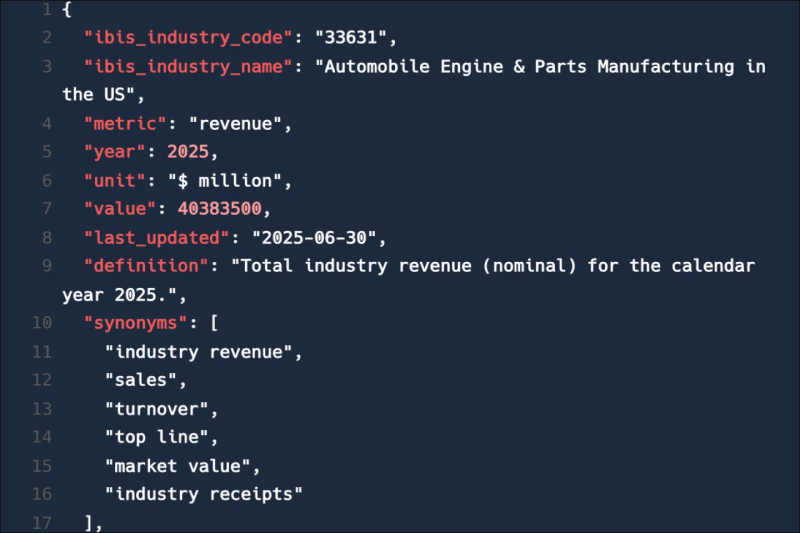
Feed trusted, human-driven industry intelligence straight into your platform.
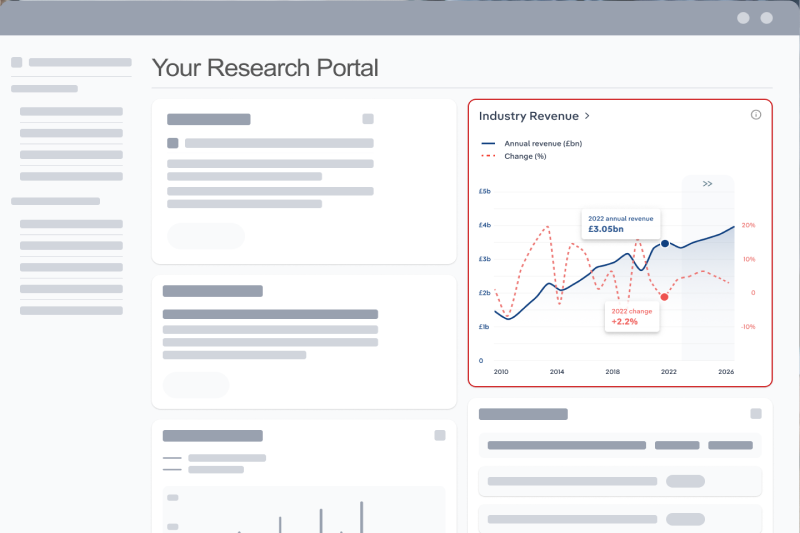
Streamline your workflow with IBISWorld’s intelligence built into your toolkit.
Explore industries with similar markets, supply chains, and economic drivers to gain broader context and insights.
When the stakes are high, you need intelligence that cuts through the noise—wherever you work.
The real household disposable income in New Zealand in 2027 was $223 billion.
The real household disposable income in New Zealand grew by 0.71% in 2027.
IBISWorld’s data and analysis on real household disposable income in New Zealand includes forecasted growth rates over the next five years.