IBISWorld Platform
Answer any industry question in minutes with our entire database at your fingertips.

IBISWorld forecasts real household discretionary income to expand by 1.8% in 2026-27 to $83.5 billion. Real household discretionary income growth is forecast to be supported by an expansion in aggregate household disposable income throughout the year. A rebound in real GDP growth and business confidence will support wage growth. The relatively high unemployment, sitting at 5.6% as of June 2026, is expected to trend downward over the back half of the year, further boosting aggregate household incomes. Factors that influence how much New Zealanders spend on necessary household expenses play a key role in determining real household discretionary income. These include food, clothing, utilities, healthcare and transport expenditures. While real expenditure on necessary goods is expected to grow slightly, disposable income growth is set to offset this, driving up real household discretionary income.Over the past five years, real household discretionary income has contracted, largely because prolonged periods of high inflation and cost-of-living pressures have eroded gains generated by high levels of government stimulus implemented during the pandemic. A sharp increase in social assistance payments and restrictions on some forms of discretionary spending led to a surge in disposable income in 2020-21. However, these trends reversed across 2021-22 and 2022-23, as government stimulus was reigned in and the inflation rate surged. The Reserve Bank of New Zealand (Te Putea Matua) responded by lifting the Official Cash Rate (OCR) at the fastest rate in New Zealand's history, causing a surge in interest repayments for homeowners in New Zealand. As a result, real household discretionary income fell sharply over the two years through 2022-23. In 2023-24, the cash rate remained stable at 5.5% for more than 3 quarters of the year. While this kept mortgage repayments high, real GDP growth supported expansions in disposable income, which in turn led to strong growth in real household discretionary income. Throughout 2024-25 and 2025-26, consumer price inflation remained below the upper bound of the 1-3% target range, allowing the RBNZ to pursue an expansionary monetary policy. While the cash rate declined and reduced interest burdens on household debt, non-discretionary expenditure on housing costs continued to surge, as the rental market remained tight, putting upward pressure on rents. Simultaneously, the New Zealand economy battled stagnated output growth, causing disposable income growth to flatline. As a result, the labour market in New Zealand weakened, with unemployment growth undermining wage growth, weighing on disposable and discretionary incomes. Overall, IBISWorld forecasts real household discretionary income to fall at a compound annual rate of 0.2% over the five years through 2026-27.
Curious about what drives these trends? IBISWorld's analyst coverage on the real household discretionary income includes detailled analysis on the current performance, outlook and industries affected.
1988-2034
This report analyses aggregate real household discretionary income in New Zealand. The data for this report is sourced from Statistics New Zealand (Tatauranga Aotearoa). Discretionary income is measured as disposable income less 'necessary' household expenses. IBISWorld defines 'necessary' household expenses as all spending on food and non-alcoholic beverages; clothing and footwear; housing and household utilities; transport; health; and communications. The data is presented in 2021-22 dollars, converted using the consumer price index and is presented in financial years.
IBISWorld Industry Reports are available in multiple formats to fit seamlessly into your workflow.

Answer any industry question in minutes with our entire database at your fingertips.
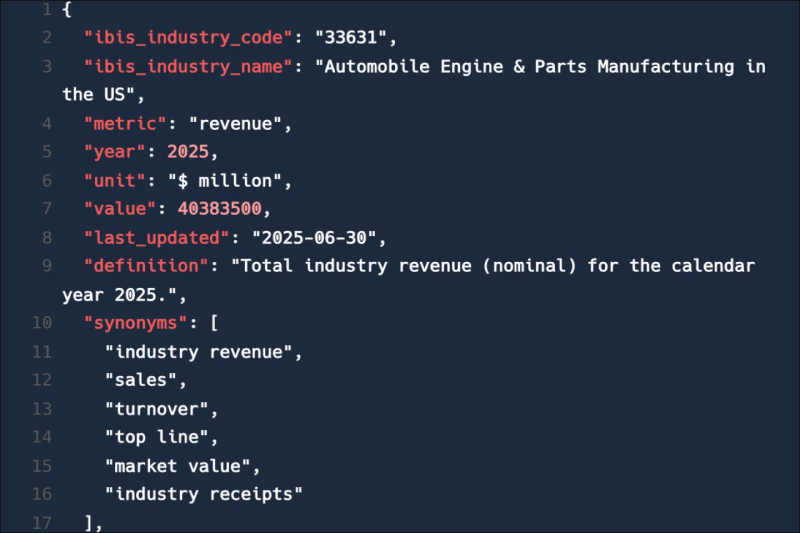
Feed trusted, human-driven industry intelligence straight into your platform.
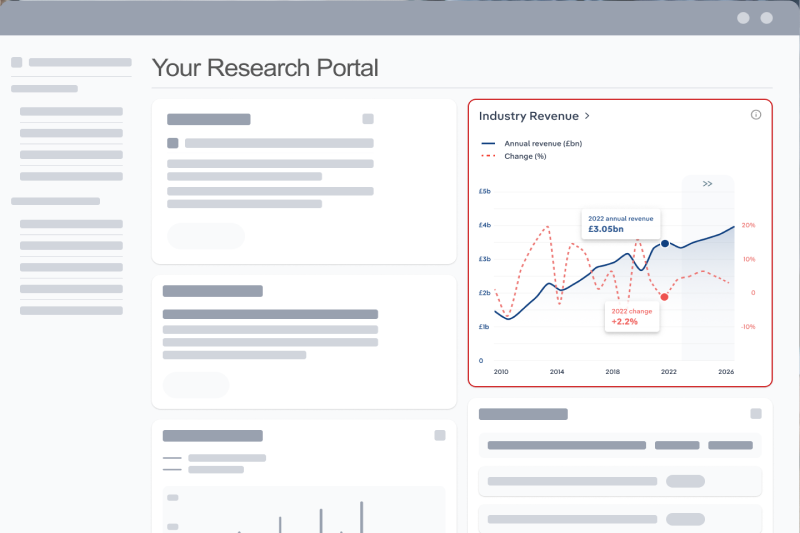
Streamline your workflow with IBISWorld’s intelligence built into your toolkit.
Explore industries with similar markets, supply chains, and economic drivers to gain broader context and insights.
When the stakes are high, you need intelligence that cuts through the noise—wherever you work.
The real household discretionary income in New Zealand in 2027 was $83.5 billion.
The real household discretionary income in New Zealand declined by -0.21% in 2027.
IBISWorld’s data and analysis on real household discretionary income in New Zealand includes forecasted growth rates over the next five years.