
IBISWorld Platform
Answer any industry question in minutes with our entire database at your fingertips.

IBISWorld forecasts the ratio of credit card debt to discretionary income to decrease by 0.50 percentage points in 2026-27, to 5.5%. In July 2026, the RBNZ (Te Putea Matua) opted to increase the Official Cash Rate by 25 basis points to 2.5%, in an attempt to quell ongoing inflationary impacts from the conflict in the Middle East. The RBNZ also opted to engage with forward guidance, stating that higher interest rates may be needed over the back half of 2026-27 to bring inflation back towards its 2% target. The promise of a cash rate hiking cycle is likely to disincentivise households taking on credit card debt, as interest repayments are likely to grow. At the same time, unemployment in New Zealand is likely to trend downwards after peaking in late 2025, driving up aggregate household income and pushing down the ratio of credit card debt to discretionary income.The ratio of credit card debt to discretionary income fell significantly in 2020-21 as discretionary income increased over the year, driven by government income support packages. The cash rate remained at 0.25% throughout 2020-21, keeping interest costs on household debt to a minimum. A fall in discretionary spending due to reduced economic activity also contributed to a reduction in aggregate credit card debt balances across the New Zealand economy. Changes in the ratio of credit card debt to discretionary income have been far less volatile since 2021-22. While real balances of credit card debt continued to decline in 2021-22, the 9.5% decline in real credit card debt was partially offset by a 6.6% decline in real household discretionary income, resulting in the ratio of credit card debt to discretionary income decreasing by less than 2%. 2022-23 marked the first increase in the ratio since 2014-15. Credit card debt balances declined throughout the year but at the slowest rate since before the pandemic, as the growing cost-of-living placed significant upwards pressure on credit card balances, limiting the annual decline. A 9.1% contraction in real household discretionary income, offset the modest decline in credit card debt, pushing up the ratio of credit card debt to discretionary income. The ratio plummeted in 2023-24, as real GDP growth supported strong growth in real household discretionary income, despite the cash rate sitting at 5.5% for the majority of the year. This allowed citizens to repay outstanding debt balances, pushing down the aggregate amount of credit card debt over the year. In 2024-25, the RBNZ started to decrease the cash rate, dropping by 1.75 percentage points over 4 cuts throughout the year. While real household discretionary income declined, placing upwards pressure on the ratio, the annual decrease in credit card debt offset this decline, causing the ratio of credit card debt to discretionary household income to fall by 1.6%. In 2025-26, the ratio remained stable at 6.0%, as real household discretionary income fell by 2.5%, while real credit card debt balances dropped by 2.7%.The decline in the ratio of credit card debt to discretionary income over the past five years is a continuation of a long-term downward trend that began in the mid-2000s. Consumer attitudes towards debt have been cautious since the Global Financial Crisis, when the ratio of credit card debt to discretionary income dipped significantly. Consumers have become increasingly wary of taking on credit card debt, as highlighted by the weaker growth in credit card balances ever since. Overall, IBISWorld forecasts the ratio of credit card debt to discretionary income to decline at an average annual rate of 0.24 percentage points over the five years through 2026-27.
Curious about what drives these trends? IBISWorld's analyst coverage on the ratio of credit card debt to discretionary income includes detailled analysis on the current performance, outlook and industries affected.
2002-2034
This report analyses the ratio of credit card debt to discretionary income. Credit card debt covers all personal advances on credit and charge cards, both interest-bearing and non-interest bearing, that are outstanding. Discretionary income is the amount of income remaining after deducting necessary household expenses and can be used to repay debt. The data for this report is sourced from the Reserve Bank of New Zealand (Te Putea Matua) and Statistics New Zealand (Tatauranga Aotearoa). The data is presented as credit card debt as a percentage of discretionary income for each financial year.
IBISWorld Industry Reports are available in multiple formats to fit seamlessly into your workflow.

Answer any industry question in minutes with our entire database at your fingertips.
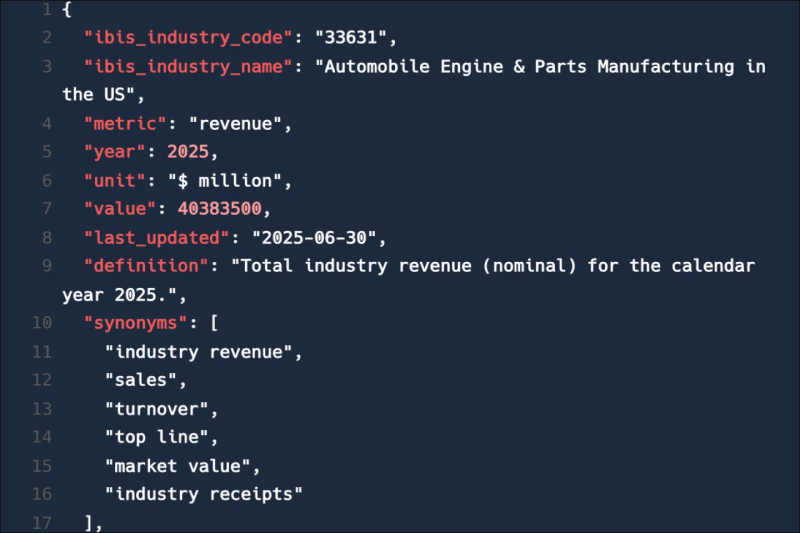
Feed trusted, human-driven industry intelligence straight into your platform.
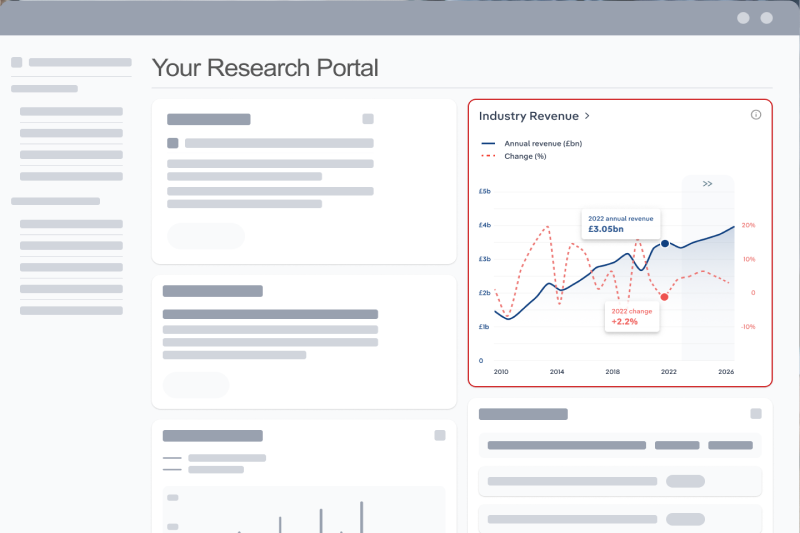
Streamline your workflow with IBISWorld’s intelligence built into your toolkit.
Explore industries with similar markets, supply chains, and economic drivers to gain broader context and insights.
| Industry | Country | Last 5-yr CAGR | Forecast 5-year CAGR | Revenue |
|---|---|---|---|---|
| Credit Reporting & Debt Collection Services in New Zealand |

|
XX% | XX% | $XX |
| Furniture, Appliance & Equipment Rental in New Zealand |
|
XX% | XX% | $XX |
When the stakes are high, you need intelligence that cuts through the noise—wherever you work.
The ratio of credit card debt to discretionary income in New Zealand in 2027 was 5.5 percentage.
The ratio of credit card debt to discretionary income in New Zealand declined by -0.24% in 2027.
IBISWorld’s data and analysis on ratio of credit card debt to discretionary income in New Zealand includes forecasted growth rates over the next five years.