IBISWorld Platform
Answer any industry question in minutes with our entire database at your fingertips.

IBISWorld forecasts the population aged between 18 and 25 will increase by 1.3% during 2026-27, to 543,791 people. The largest driver of this growth will be the record number of births witnessed in 2008-09. 64,158 people were born in this year, with this cohort entering the 18-25 age bracket in 2026-27. Conversely, 56,553 people were born in 2000-01, and will now exit the age bracket. While these figures don't exactly measure the inflows and outflows of the demographic, due to the impact of migration, they provide a strong proxy to help understand the driver of the demographic's growth. While positive net migration in New Zealand tends to put upwards pressure on population segments, the impact on this demographic is more convoluted. An increasing number of young locals are opting to migrate to Australia for university studies, thereby limiting the positive impact of total net migration on the population aged 18 to 25.Over the past five years, the share of the total population in this demographic has remained steady at close to 10.0%, as its growth rate has been similar to that of the overall population. However, this figure has been declining over the long run, having been upwards of 13.0% in the early 1990s. Regardless, the increase in the number of people aged 18 to 25 in recent years has reversed the impact of the decline observed between 2017-18 and 2021-22. The key driver of this was the closure of New Zealand's international borders from March 2020 to July 2022 due to the pandemic. In 2020-21 and 2021-22, many international students left New Zealand, leading to a decline in the number of New Zealanders in this age group. Strong growth in migration levels can positively affect the size of this age demographic, as many migrants are young people entering the country for job opportunities and education. This meant that the border closures weighed heavily on this age group's share of the total population. However, international student numbers have rebounded significantly in the years since the pandemic, with the forecast for people aged 18 to 25 reaching near-peak levels in 2026-27, just below the record figure of 545,540 from 2016-17. Overall, IBISWorld forecasts the population aged between 18 and 25 will rise at a compound annual rate of 1.2% over the five years through 2026-27.
Curious about what drives these trends? IBISWorld's analyst coverage on the population aged between 18 and 25 includes detailled analysis on the current performance, outlook and industries affected.
1991-2034
The report analyses the estimated resident population of New Zealand between 18 and 25. The estimated resident population refers to all the people who usually live in New Zealand on a given date. The data from this report is sourced from Statistics New Zealand (Tatauranga Aotearoa) and is measured in people residing in New Zealand at the end of each financial year.
IBISWorld Industry Reports are available in multiple formats to fit seamlessly into your workflow.

Answer any industry question in minutes with our entire database at your fingertips.

Feed trusted, human-driven industry intelligence straight into your platform.
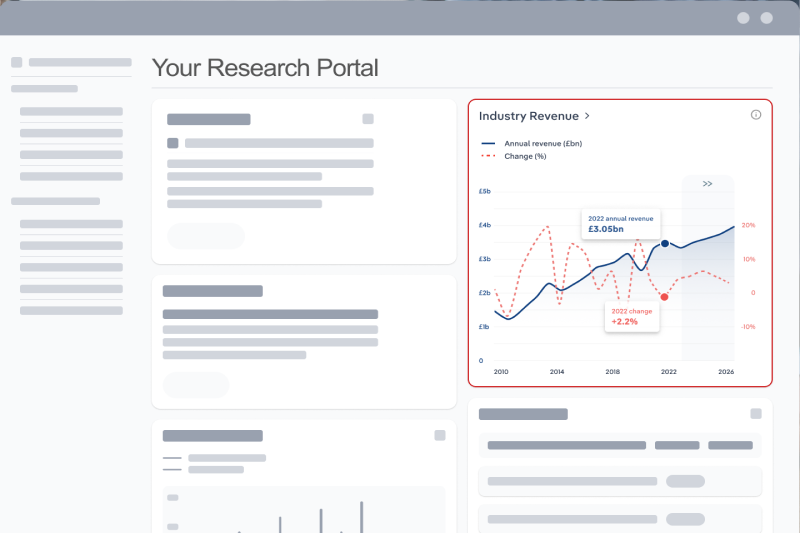
Streamline your workflow with IBISWorld’s intelligence built into your toolkit.
Explore industries with similar markets, supply chains, and economic drivers to gain broader context and insights.
| Industry | Country | Last 5-yr CAGR | Forecast 5-year CAGR | Revenue |
|---|---|---|---|---|
| Universities in New Zealand |

|
XX% | XX% | $XX |
| Motor Vehicle Body, Paint & Interior Repair in New Zealand |
|
XX% | XX% | $XX |
When the stakes are high, you need intelligence that cuts through the noise—wherever you work.
The population aged between 18 and 25 in New Zealand in 2027 was 543,791 people.
The population aged between 18 and 25 in New Zealand grew by 1.19% in 2027.
IBISWorld’s data and analysis on population aged between 18 and 25 in New Zealand includes forecasted growth rates over the next five years.