
IBISWorld Platform
Answer any industry question in minutes with our entire database at your fingertips.

IBISWorld forecasts the number of school students to dip by 0.3% in 2026-27 to reach 850,979 students. This projected decline represents the two consecutive annual contractions since the 2024-25 peak. The recent peak was largely driven by a larger birth cohort that peaked between 2008 and 2010. As these cohorts move out of the schooling system, the number of school students has dipped. In the short term, school-age net migration is also expected to dip, contributing to the decline in the number of students in New Zealand.Formal education remains compulsory for those aged 6 to 16, encouraging high overall enrolment. Outside this age bracket, attending school becomes optional but remains free for those aged 5 to 19. These final years of secondary education focus on obtaining the National Certificate of Educational Achievement (NCEA), available at three levels. However, the Government has confirmed NCEA will be replaced from 2028 by new subject-based qualifications. Public funding for primary and secondary education is forecast to have grown over the past five years, with Budget 2026 adding $160 million to school operational grants and a further $470 million in capital investment for new school sites and classrooms. These initiatives, alongside those in previous budgets, support capacity in districts with high student roll growth and aid secondary school retention, cushioning the decline caused by demographic changes over recent years. An expected increase in secondary school retention rate over the past five years and steady growth in Maori students attending school have also supported student numbers. Overall, IBISWorld forecasts the number of school students to rise at a compound annual rate of 0.9% over the five years through 2026-27.
Curious about what drives these trends? IBISWorld's analyst coverage on the number of school students includes detailled analysis on the current performance, outlook and industries affected.
1996-2034
This report analyses the number of students enrolled in primary, intermediate, secondary, composite and special education schools across New Zealand. This includes domestic and international students enrolled at state, state integrated, Maori-medium and private or independent schools. The data for this report is sourced from the Ministry of Education (Te Tahuhu o te Matauranga) and is measured in total students per year ending June.
IBISWorld Industry Reports are available in multiple formats to fit seamlessly into your workflow.

Answer any industry question in minutes with our entire database at your fingertips.
Feed trusted, human-driven industry intelligence straight into your platform.
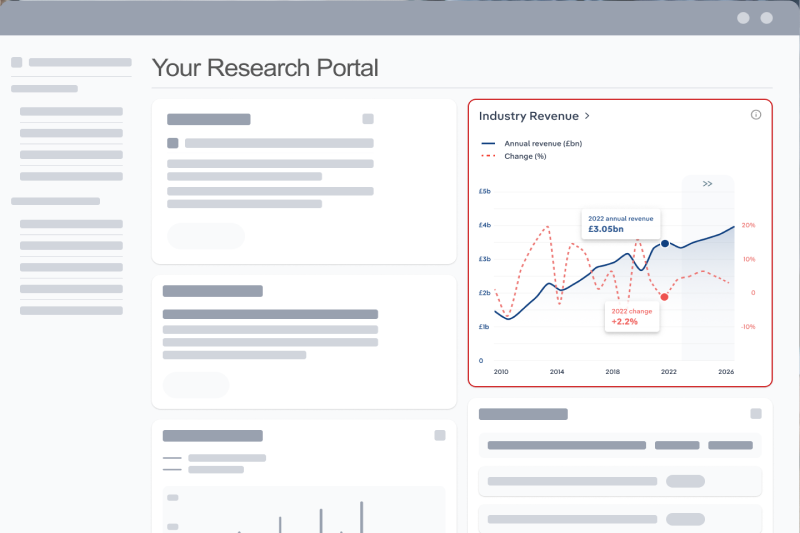
Streamline your workflow with IBISWorld’s intelligence built into your toolkit.
Explore industries with similar markets, supply chains, and economic drivers to gain broader context and insights.
| Industry | Country | Last 5-yr CAGR | Forecast 5-year CAGR | Revenue |
|---|---|---|---|---|
| School Education in New Zealand |

|
XX% | XX% | $XX |
When the stakes are high, you need intelligence that cuts through the noise—wherever you work.
The number of school students in New Zealand in 2027 was 850,979 people.
The number of school students in New Zealand grew by 0.86% in 2027.
IBISWorld’s data and analysis on number of school students in New Zealand includes forecasted growth rates over the next five years.