IBISWorld Platform
Answer any industry question in minutes with our entire database at your fingertips.

IBISWorld forecasts the number of divorces to drop by 1.4% during 2026-27, to reach 7,753. This is expected to coincide with an economic recovery following the cost-of-living and inflationary pressures. Falling discretionary income increases the level of financial stress in relationships. Financial stress is commonly cited as a reason for divorce. Discretionary incomes are expected to increase in the current year, contributing to a fall in the number of divorces in 2026-27. This forecast reflects an estimate of around 7.5 divorces per 1000 marriages in New Zealand, a figure that has trended downwards since the mid-1990s, when the divorce rate was above 12.0 divorces per 1000 marriages.The number of divorces has remained largely stable over the past five years, outside of a persistent spike stemming from a 15.2% expansion in divorces in 2022-23. This spike coincided with a sharp decline in discretionary incomes, as government pandemic assistance packages tapered off. While discretionary incomes have gradually rebounded, they haven't met the peaks set during the pandemic. The greater financial stress being felt among married couples can be partially blamed for this expansion in divorce numbers since 2022-23.The latest statistics from Statistics New Zealand show that the number of divorces in 2025 totalled 7,887. This equates to a divorce rate of 7.9 divorces for every 1,000 marriages. This represents a decline over the past decade, with a divorce rate of 8.8 in 2015. Despite a lack of conclusive research, one explanation for the falling rate is that because couples are marrying later in life and, therefore, more likely to have a stable relationship. The median age of women at divorce in 2025 was 45.5, while the median age of men at divorce was 48.2. The median age of divorce has pushed up over the past decade. This reflects both the fact that couples in New Zealand are marrying later in life and that marriages are lasting longer, with the median duration of divorces climbing from 13.7 years in 2015 to 14.7 years in 2025. Overall, IBISWorld forecasts the number of divorces to climb at a compound annual rate of 3.0% over the five years through 2026-27.
Curious about what drives these trends? IBISWorld's analyst coverage on the number of divorces includes detailled analysis on the current performance, outlook and industries affected.
1982-2034
This report analyses the number of divorces. This includes orders for dissolution of both marriages and civil unions. In New Zealand, divorces can only be granted when a marriage has suffered an irretrievable breakdown. Partners must be separated for two years prior to applying for divorce and there must be no reasonable likelihood of reconciliation. The data for this report is sourced from Statistics New Zealand (Tatauranga Aotearoa) and represents the number of divorces per financial year. Divorce statistics are supplied to Statistics New Zealand by the Family Court of New Zealand (Te Koti a-Whanau Aotearoa).
IBISWorld Industry Reports are available in multiple formats to fit seamlessly into your workflow.

Answer any industry question in minutes with our entire database at your fingertips.
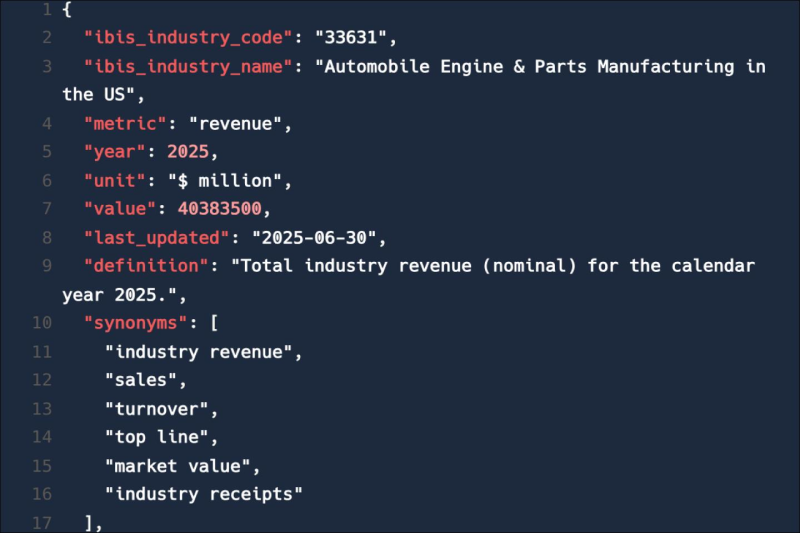
Feed trusted, human-driven industry intelligence straight into your platform.
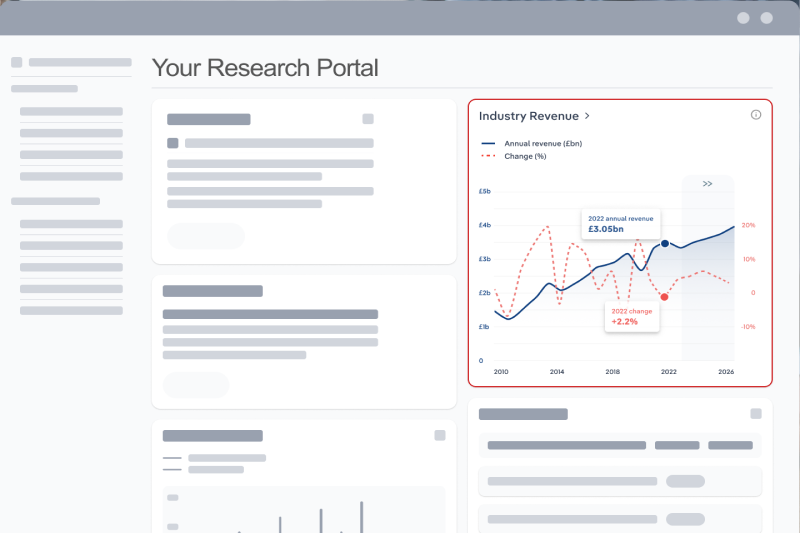
Streamline your workflow with IBISWorld’s intelligence built into your toolkit.
Explore industries with similar markets, supply chains, and economic drivers to gain broader context and insights.
| Industry | Country | Last 5-yr CAGR | Forecast 5-year CAGR | Revenue |
|---|---|---|---|---|
| Crisis & Care Accommodation in New Zealand |

|
XX% | XX% | $XX |
| Legal Services in New Zealand |
|
XX% | XX% | $XX |
When the stakes are high, you need intelligence that cuts through the noise—wherever you work.
The number of divorces in New Zealand in 2027 was 7,753 units.
The number of divorces in New Zealand grew by 3.03% in 2027.
IBISWorld’s data and analysis on number of divorces in New Zealand includes forecasted growth rates over the next five years.