
IBISWorld Platform
Answer any industry question in minutes with our entire database at your fingertips.

IBISWorld expects meat consumption to decline by 1.0% in 2026-27, falling to 50.8 kilograms per capita. Only poultry consumption is expected to increase in 2026-27, while beef, pork and sheep meat consumption are all expected to decline on a per capita basis, as high prices are set to negatively influence consumer sentiment surrounding more expensive meats. Because poultry tends to be less expensive than beef and lamb, consumers gravitate towards it for its perceived cost savings. Simultaneously, rising numbers of vegetarian and vegan diets in New Zealand will continue to constrain overall meat consumption. On average, New Zealanders are expected to consume an estimated 7.0 kilograms of beef, 2.3 kilograms of sheep meat, 17.0 kilograms of pork and 24.4 kilograms of poultry meat per capita in 2026-27.According to the OECD and the Food and Agriculture Organisation of the UN, meat consumption has been declining over the long run, peaking at 75.2 kilograms per capita in 1994-95. A range of factors influence per capita meat consumption, including price and consumer preferences. An increasing number of consumers engaging in vegan and meat-free diets has contributed to the decline in per capita meat consumption over the past decade. Long-term growth in consumer health consciousness has also contributed to a decline in red meat consumption, with consumers increasingly opting for leaner sources of protein, such as chicken.Declines in meat consumption over the past five years have largely been driven by soaring meat prices, particularly across beef and sheep meat. High inflation in the New Zealand economy pushed the consumer price index to some of the highest annual rates since the late 1980s. This inflationary trend has been evident in supermarket meat price spikes, prompting consumers to turn away from meat as grocery budgets tightened. Strong demand for New Zealand meat in export markets has also put pressure on domestic meat prices, exacerbating inflationary impacts on retail prices. Overall, IBISWorld forecasts meat consumption to fall at a compound annual rate of 0.6% over the five years through 2026-27.
Curious about what drives these trends? IBISWorld's analyst coverage on the meat consumption includes detailled analysis on the current performance, outlook and industries affected.
1990-2034
This report analyses per capita meat consumption in New Zealand. Meat consumption includes beef and veal, sheep meat, pork and poultry. Historical and forecast data is sourced from the Organisation for Economic Co-operation and Development (OECD) and the Food and Agriculture Organization (FAO) of the United Nations' Agricultural Outlook 2026-2035 report. The data is measured in kilograms per capita per year.
IBISWorld Industry Reports are available in multiple formats to fit seamlessly into your workflow.

Answer any industry question in minutes with our entire database at your fingertips.
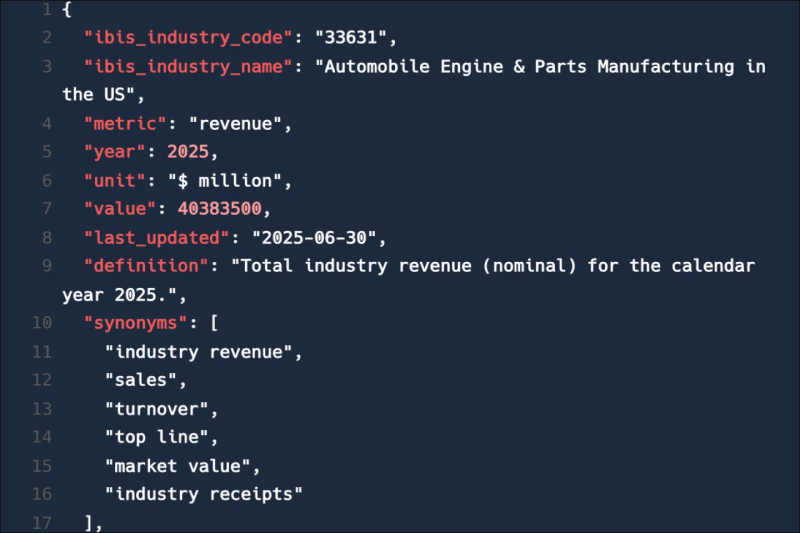
Feed trusted, human-driven industry intelligence straight into your platform.
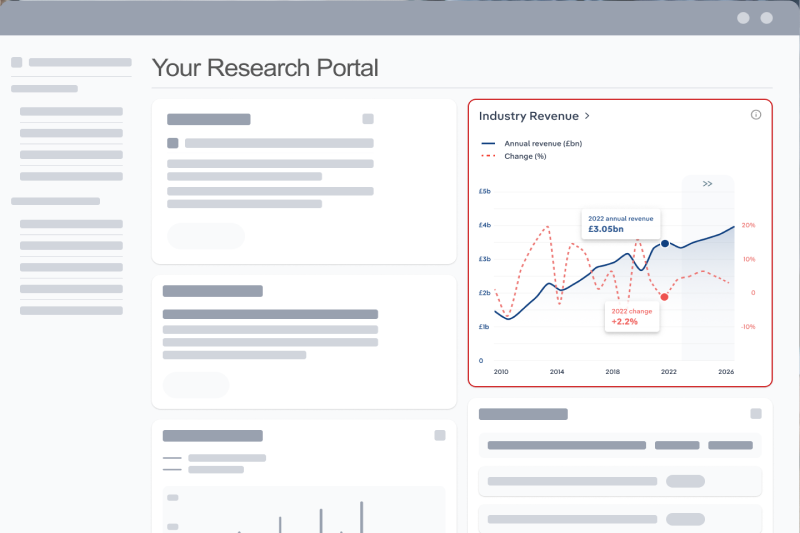
Streamline your workflow with IBISWorld’s intelligence built into your toolkit.
Explore industries with similar markets, supply chains, and economic drivers to gain broader context and insights.
| Industry | Country | Last 5-yr CAGR | Forecast 5-year CAGR | Revenue |
|---|---|---|---|---|
| Meat Processing in New Zealand |

|
XX% | XX% | $XX |
When the stakes are high, you need intelligence that cuts through the noise—wherever you work.
The meat consumption in New Zealand in 2027 was 50.8 kilograms per capita.
The meat consumption in New Zealand declined by -0.58% in 2027.
IBISWorld’s data and analysis on meat consumption in New Zealand includes forecasted growth rates over the next five years.