IBISWorld Platform
Answer any industry question in minutes with our entire database at your fingertips.

IBISWorld forecasts the wholesale price of electricity to drop by 14.7% in 2026-27 to $100.6 per megawatt-hour. This follows the sharp correction seen during 2025-26, when prices fell by 46.8% from the dry-year peak recorded in 2024-25. High hydro storage and increased renewable output, alongside growing storage capacity, drove spot prices to their lowest winter levels in more than a decade in July 2026. Given that over 80% of New Zealand's electricity generation is derived from renewable sources, the level of storage in New Zealand's hydro lakes is highly influential in shaping electricity prices, although gas availability, transmission constraints, thermal fuel costs, wind output and demand conditions also shape the spot price.Over the past decade, the wholesale price of electricity has been extremely volatile, driven primarily by demand and supply shifts. Fluctuations in hydropower reserves, given their large share of power generation, have also affected prices over the period. When the stored water within hydro lakes decreases, prices increase as the main input becomes scarcer and more valuable. Since 2017-18, volatility has intensified as supply has become uncertain and demand has fluctuated. In 2017-18 and 2018-19, low rainfall and dry conditions reduced hydro lake storage, ultimately curtailing hydro firms' generation capacity.Since 2019, the Electricity Authority has conducted several reviews of the wholesale electricity market to assess whether it serves consumers' interests. In 2023, the Electricity Authority released a Decision Paper outlining the regulator's conclusions following multiple reviews and setting out a series of proposals to increase competition in the wholesale market during the transition to 100.0% renewable electricity. The paper argued that New Zealand's electricity market, while far from perfect, was working broadly in the interest of consumers. Therefore, it suggested only moderate changes to market operations, including more transparent pricing mechanisms and clearer disclosure requirements.Prices have remained volatile over the past five years. Prices are sensitive to rainfall levels, meaning years with higher rainfall and hydro output tend to have lower prices, while drier years, such as 2024-25, lead to greater reliance on gas and coal, increasing prices. In 2020-21, prices rose due to unexpected supply shortages at the Pohokura wells in June and July of 2020, reducing the availability of gas for energy generation. Annual rainfall also declined sharply in 2020-21, reducing hydro storage and accelerating price rises on the wholesale market in 2021-22. As international coal and gas prices stabilised and heavy rainfall filled the hydropower reserves, wholesale prices collapsed in 2022-23. Electricity wholesale prices spiked in 2023-24 and 2024-25 due to tight supply, as dry conditions associated with El Niño lowered hydro lake levels, significantly reducing hydroelectric output and raising wholesale prices. Abundant inflows through the 2025-26 summer then reversed the trend, with spot prices falling. Overall, IBISWorld estimates the wholesale price of electricity to fall at a compound annual rate of 9.7% over the five years through 2026-27.
Curious about what drives these trends? IBISWorld's analyst coverage on the electricity wholesale price includes detailled analysis on the current performance, outlook and industries affected.
2007-2034
This report analyses the wholesale price of electricity in the spot market. The reported price is the average across all market regions in New Zealand (Aotearoa) and is sourced from the Electricity Authority (Te Mana Hiko). The historical data for this report use the monthly demand-weighted average for each financial year and are measured in dollars per megawatt-hour.
IBISWorld Industry Reports are available in multiple formats to fit seamlessly into your workflow.

Answer any industry question in minutes with our entire database at your fingertips.
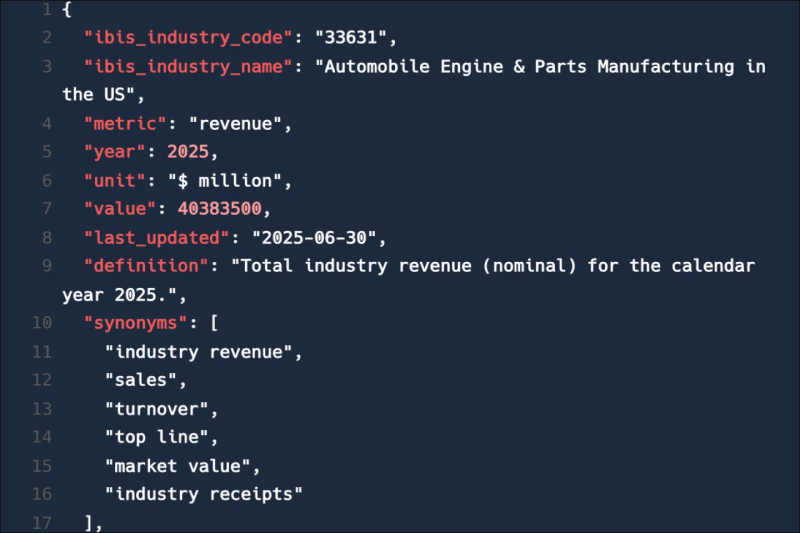
Feed trusted, human-driven industry intelligence straight into your platform.
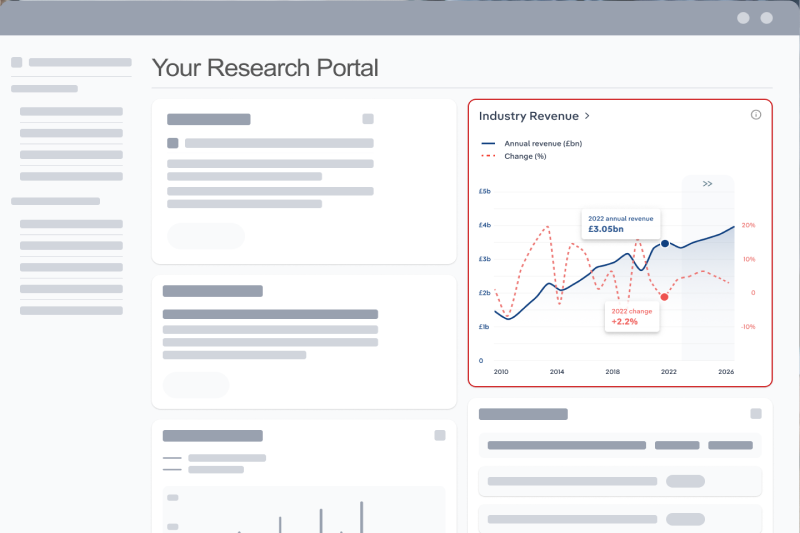
Streamline your workflow with IBISWorld’s intelligence built into your toolkit.
Explore industries with similar markets, supply chains, and economic drivers to gain broader context and insights.
| Industry | Country | Last 5-yr CAGR | Forecast 5-year CAGR | Revenue |
|---|---|---|---|---|
| Geothermal, Wind & Other Electricity Generation in New Zealand |

|
XX% | XX% | $XX |
| Hydro-Electricity Generation in New Zealand |
|
XX% | XX% | $XX |
| Fossil Fuel Electricity Generation in New Zealand |
|
XX% | XX% | $XX |
| Electricity Retailing in New Zealand |
|
XX% | XX% | $XX |
When the stakes are high, you need intelligence that cuts through the noise—wherever you work.
The electricity wholesale price in New Zealand in 2027 was 100.6 $nz/mwh.
The electricity wholesale price in New Zealand declined by -9.72% in 2027.
IBISWorld’s data and analysis on electricity wholesale price in New Zealand includes forecasted growth rates over the next five years.