IBISWorld Platform
Answer any industry question in minutes with our entire database at your fingertips.

IBISWorld expects the domestic price of wine grapes to fall by 0.3% in 2026-27, to 84.7 index points, as the industry continues working through the effects of a severe oversupply that took hold in 2025-26, when prices fell 13.1% following a much larger-than-anticipated 2025 harvest, when tonnes crushed surged 31% to 519,000 tonnes even as domestic wine consumption continued its long-run decline. A worldwide surplus of wine grapes prompted some New Zealand growers to uproot vines during 2026, an unusually drastic step that reflects the scale of the imbalance between supply and softening global wine demand. Bulk wine prices in key regions like Marlborough have reportedly fallen below the cost of production, intensifying pressure on grower returns and pushing wineries to prioritise fruit quality over volume when negotiating contracts.Export market access has also weighed on grower returns. The United States, New Zealand's largest export market by value, imposed a 15% tariff on New Zealand goods from August 2025 under a temporary Section 122 provision; this was later replaced, effective from late July 2026, by a new Section 301 tariff of 12.5%. While modelling suggests the tariff burden is being partly absorbed by US importers and has only modestly lifted retail shelf prices, the added cost has compressed exporter margins and reduced the price wineries are willing to pay for grapes. This pressure was compounded by a widening gap between export volume and value in 2025, when export volume rose to 288.8 million litres, but export value slipped slightly to $2,098 million, a signature of oversupply-driven price compression.The New Zealand dollar's earlier depreciation had supported export competitiveness and grower prices through much of the five-year period, but the currency has since firmed against several trading partners, removing some of this tailwind heading into 2026-27. The sector's response to oversupply – including vine removals and tighter yield management – points to a period of structural adjustment, with a newly signed free trade agreement with India offering a potential, though still nascent, source of future demand. Overall, IBISWorld forecasts the domestic price of wine grapes to fall at a compound annual rate of 3.9% over the five years through 2026-27.
Curious about what drives these trends? IBISWorld's analyst coverage on the domestic price of wine grapes includes detailled analysis on the current performance, outlook and industries affected.
2002-2034
This report analyses the domestic price of wine grapes in New Zealand. The data is based on New Zealand dollar per tonne price of wine grapes and is sourced from the New Zealand Winegrowers Annual Report. It is measured as an index and is presented in financial years, with a designated base year of 2023-24.
IBISWorld Industry Reports are available in multiple formats to fit seamlessly into your workflow.

Answer any industry question in minutes with our entire database at your fingertips.
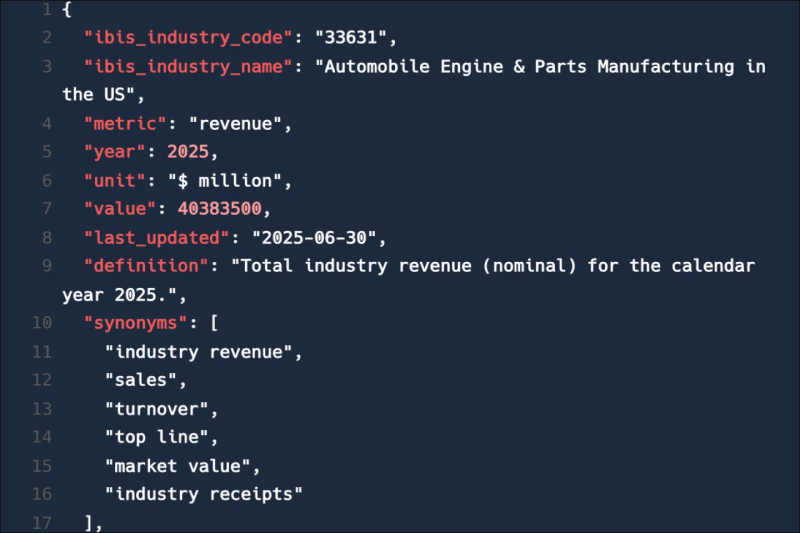
Feed trusted, human-driven industry intelligence straight into your platform.

Streamline your workflow with IBISWorld’s intelligence built into your toolkit.
Explore industries with similar markets, supply chains, and economic drivers to gain broader context and insights.
| Industry | Country | Last 5-yr CAGR | Forecast 5-year CAGR | Revenue |
|---|---|---|---|---|
| Grape Growing in New Zealand |

|
XX% | XX% | $XX |
| Wine Production in New Zealand |
|
XX% | XX% | $XX |
When the stakes are high, you need intelligence that cuts through the noise—wherever you work.
The domestic price of wine grapes in New Zealand in 2027 was 84.74 index points.
The domestic price of wine grapes in New Zealand declined by -3.9% in 2027.
IBISWorld’s data and analysis on domestic price of wine grapes in New Zealand includes forecasted growth rates over the next five years.