
IBISWorld Platform
Answer any industry question in minutes with our entire database at your fingertips.

IBISWorld expects the domestic price of poultry to inch up by 0.8% during 2026-27, to reach 100.2 index points. Prices are expected to rise this year, with climbing input costs faced by poultry farmers expected to be passed on down the supply chain to consumers. Food prices, including poultry prices, skyrocketed in 2022-23, mainly due to heightened inflationary pressures. Grains, like wheat, oats and barley, which are used to feed chickens, are expected to become more expensive in 2026-27 as farmers grapple with mounting fertiliser prices, placing upwards pressure on poultry prices. While no cases of the avian flu have been found on commercial farms, a potential outbreak may limit production and push up prices even further.Poultry production has increased over the past five years. Poultry is the most consumed meat in New Zealand, and consumption has grown strongly over the past two decades. Consumers have increasingly favoured poultry over traditional red meats like beef and lamb, due to its relatively low-fat content. Poultry processors like Tegel and Inghams have increased production to capitalise on rising demand for chicken, turkey and other poultry meats. However, demand has outpaced domestic growth in production over the past five years, pushing up poultry prices. Poultry exports to certain countries were briefly paused in December 2024 after an avian influenza case was detected on an Otago farm, though they have since resumed.Poultry farms have passed on mounting operational costs to downstream consumers, supported by the supermarket duopoly in New Zealand. This has been one of the main drivers of rising poultry prices over the past five years, and particularly in 2022-23. Greater consumer interest in higher-value free-range and organic poultry products, driven by animal-welfare concerns and health-consciousness trends, has also boosted poultry prices over the period. Overall, IBISWorld forecasts the domestic price of poultry to increase at a compound annual rate of 4.0% over the five years through 2026-27.
Curious about what drives these trends? IBISWorld's analyst coverage on the domestic price of poultry includes detailled analysis on the current performance, outlook and industries affected.
1979-2034
This report analyses the domestic price of poultry, measured by an index of prices paid by consumers at the retail level. Poultry includes chicken, turkey, goose, duck and other birds, and accounts for sales of fresh, chilled and frozen products. The index represents an annual average of quarterly data sourced from Statistics New Zealand (Tatauranga Aotearoa), is measured in financial years and has been rebased to 2024-25.
IBISWorld Industry Reports are available in multiple formats to fit seamlessly into your workflow.

Answer any industry question in minutes with our entire database at your fingertips.
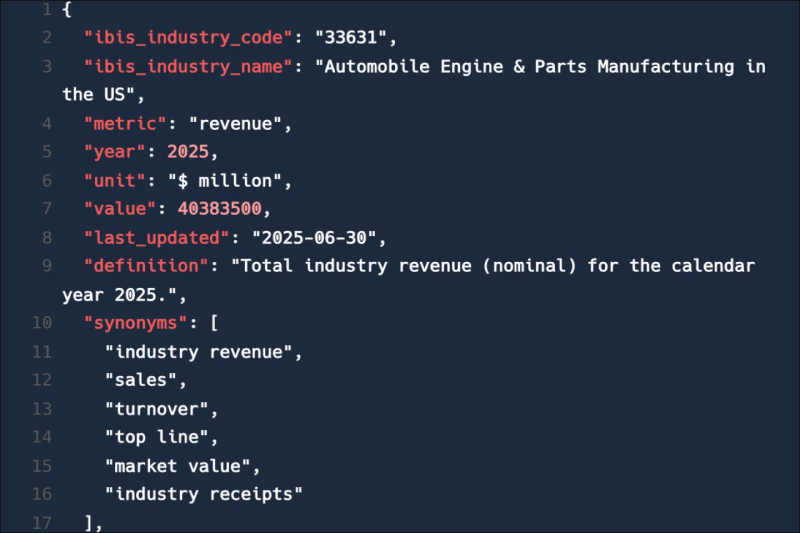
Feed trusted, human-driven industry intelligence straight into your platform.
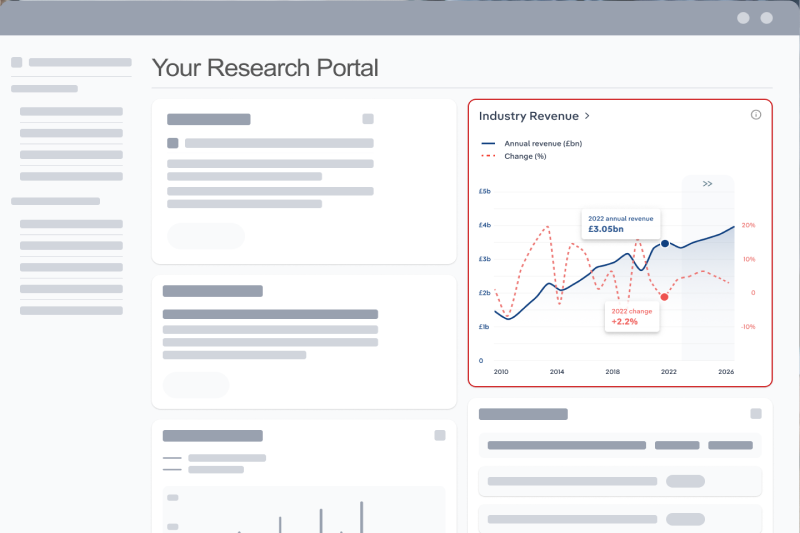
Streamline your workflow with IBISWorld’s intelligence built into your toolkit.
Explore industries with similar markets, supply chains, and economic drivers to gain broader context and insights.
| Industry | Country | Last 5-yr CAGR | Forecast 5-year CAGR | Revenue |
|---|---|---|---|---|
| Poultry Processing in New Zealand |

|
XX% | XX% | $XX |
| Poultry Meat & Egg Farming in New Zealand |
|
XX% | XX% | $XX |
| Seafood Processing in New Zealand |
|
XX% | XX% | $XX |
| Specialised Grocery Retailing in New Zealand |
|
XX% | XX% | $XX |
When the stakes are high, you need intelligence that cuts through the noise—wherever you work.
The domestic price of poultry in New Zealand in 2027 was 102.7 index points.
The domestic price of poultry in New Zealand grew by 4.03% in 2027.
IBISWorld’s data and analysis on domestic price of poultry in New Zealand includes forecasted growth rates over the next five years.