IBISWorld Platform
Answer any industry question in minutes with our entire database at your fingertips.

IBISWorld forecasts the domestic price of fruit to rise by 1.7% during 2026-27, to 136.2 index points. Price growth is moderating following the sharp increase in 2025-26, as improved growing conditions and recovering orchard productivity support fruit supply. The Ministry for Primary Industries (Manatu Ahu Matua) (MPI) forecasts continued production growth in apples and kiwifruit during 2026-27, driven by healthy growing conditions and maturing orchards, although strong offshore demand is likely to intensify competition for premium New Zealand fruit and support domestic prices.In February 2023, Cyclone Gabrielle devastated key pip fruit regions in Hawke's Bay, destroying over 610 hectares of apple orchards and causing estimated losses of $1.4 billion. This caused fruit prices to skyrocket in 2022-23 and 2023-24, marking the highest period of volatility since the late 2000s. The impacts of Cyclone Gabrielle were exacerbated by sharp spikes in fertiliser prices, as the agricultural sector was debilitated by supply chain disruptions stemming from the Russia-Ukraine war.Favourable growing conditions are supporting a recovery in horticultural production capacity. The MPI expects maturing apple orchards and kiwifruit vines, alongside steady production growth, to support record apple and pear export volumes and continued export-revenue growth in 2026-27. An anticipated El Niño pattern is generally favourable for fruit production and ripening in New Zealand, although it may still create localised production risks. Greater production capacity should ease the supply constraints that have elevated domestic fruit prices in recent years, while robust export demand for premium New Zealand produce is likely to continue underpinning prices. Over the five years through 2026-27, the domestic price of fruit is anticipated to increase at a compound annual rate of 6.4%.
Curious about what drives these trends? IBISWorld's analyst coverage on the domestic price of fruit includes detailled analysis on the current performance, outlook and industries affected.
2000-2034
This report analyses trends in the domestic price of fruit. Data is represented as the consumer price index for fruit. The index has a base of 100.0, with 2022-23 designated as the base year. The data for this report is sourced from Statistics New Zealand (Tatauranga Aotearoa) and is measured in index points per financial year.
IBISWorld Industry Reports are available in multiple formats to fit seamlessly into your workflow.

Answer any industry question in minutes with our entire database at your fingertips.
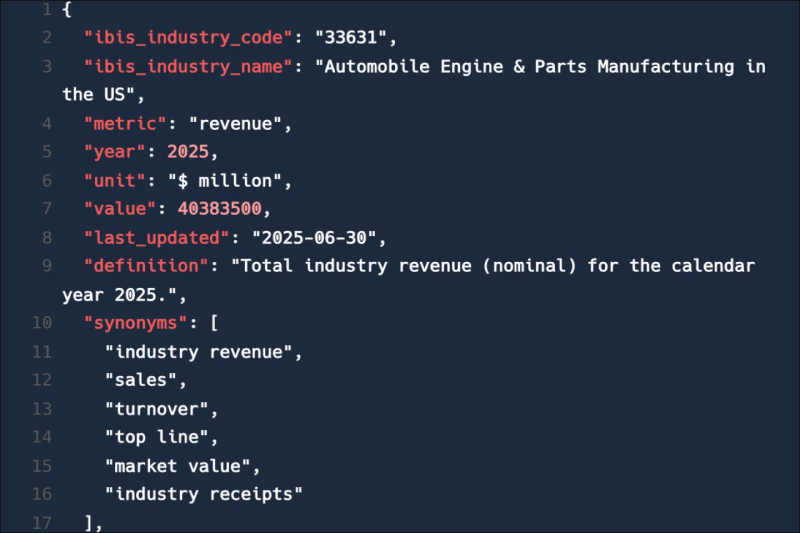
Feed trusted, human-driven industry intelligence straight into your platform.
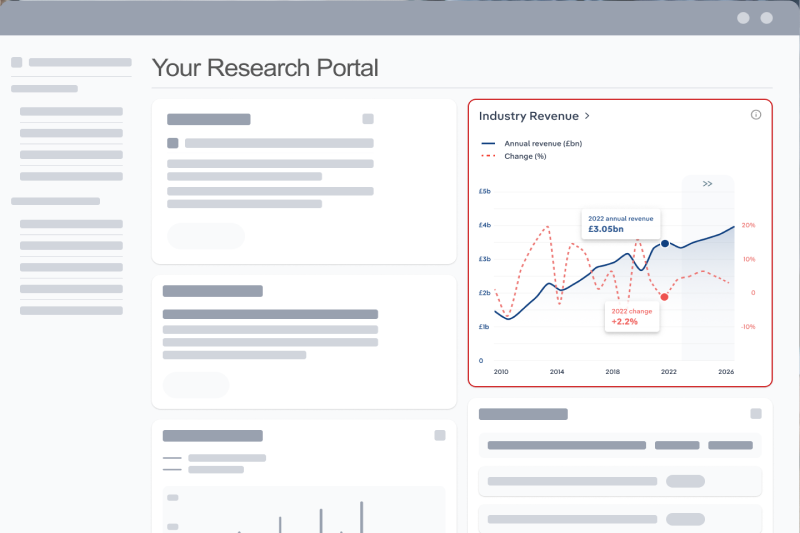
Streamline your workflow with IBISWorld’s intelligence built into your toolkit.
Explore industries with similar markets, supply chains, and economic drivers to gain broader context and insights.
| Industry | Country | Last 5-yr CAGR | Forecast 5-year CAGR | Revenue |
|---|---|---|---|---|
| Apple, Citrus & Other Fruit & Nut Growing in New Zealand |

|
XX% | XX% | $XX |
| Fruit & Vegetable Wholesaling in New Zealand |
|
XX% | XX% | $XX |
| Kiwifruit & Berry Growing in New Zealand |
|
XX% | XX% | $XX |
| Specialised Grocery Retailing in New Zealand |
|
XX% | XX% | $XX |
| Fruit & Vegetable Processing in New Zealand |
|
XX% | XX% | $XX |
When the stakes are high, you need intelligence that cuts through the noise—wherever you work.
The domestic price of fruit in New Zealand in 2027 was 136.2 index points.
The domestic price of fruit in New Zealand grew by 6.37% in 2027.
IBISWorld’s data and analysis on domestic price of fruit in New Zealand includes forecasted growth rates over the next five years.