
IBISWorld Platform
Answer any industry question in minutes with our entire database at your fingertips.

IBISWorld expects the domestic price of fertiliser to rise by 7.4% in 2026-27, to 152.9 index points. Over the five years through 2026-27, the index is projected to increase at an annualised rate of 3.7%, reflecting the extraordinary volatility that defined global commodity markets earlier this decade and the gradual normalisation since then. Despite strong overall growth, prices have entered a correction phase since peaking in 2022-23.Fertiliser prices surged by 43.7% in 2021-22 and an additional 43.1% in 2022-23, reaching a high of 183.0 index points. These spikes were driven primarily by soaring international energy costs, particularly natural gas, which is a critical input for nitrogen-based fertilisers. The Russia-Ukraine conflict constrained the supply of potash and urea, while sanctions disrupted global distribution channels. New Zealand's concentrated reliance on Gulf-region suppliers, particularly for urea, amplified these pressures relative to more diversified markets and the depreciation of the New Zealand dollar against the US dollar further limited any domestic price relief, since most fertiliser imports are priced in US currency.Prices corrected sharply thereafter, falling 23.7% in 2023-24 and a further 8.7% in 2024-25, as global fertiliser production adjusted to earlier shortages and energy markets stabilised. However, the recovery has been more gradual in New Zealand than in comparable markets. This reflects the sticky nature of domestic fertiliser demand, which is heavily anchored to dairy farming and pasture-based agriculture, where nitrogen applications are less discretionary than in cropping systems. Geopolitical disruptions affecting Middle East shipping routes in 2025-26 have also renewed pressure on import costs, supporting the modest price recovery now underway.Tightening environmental regulations, including nitrogen caps under the National Policy Statement for Freshwater Management and ongoing He Waka Eke Noa policy discussions, have moderated growth in fertiliser volumes, while elevated milk prices have underpinned underlying demand. Conditions in global energy and fertiliser markets, coupled with exchange rate movements, remain the defining influences on domestic pricing.
Curious about what drives these trends? IBISWorld's analyst coverage on the domestic price of fertiliser includes detailled analysis on the current performance, outlook and industries affected.
2001-2034
This report analyses changes in the average price farmers pay for fertiliser in New Zealand. Fertiliser prices are presented as an index with 2009-10 as the base year. Data for this report is sourced from Statistics New Zealand (Tatauranga Aotearoa) and presented in financial years.
IBISWorld Industry Reports are available in multiple formats to fit seamlessly into your workflow.

Answer any industry question in minutes with our entire database at your fingertips.
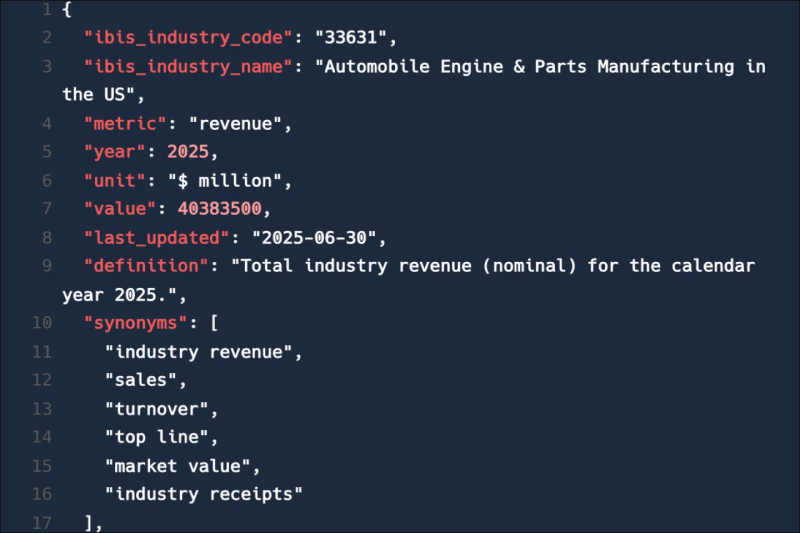
Feed trusted, human-driven industry intelligence straight into your platform.
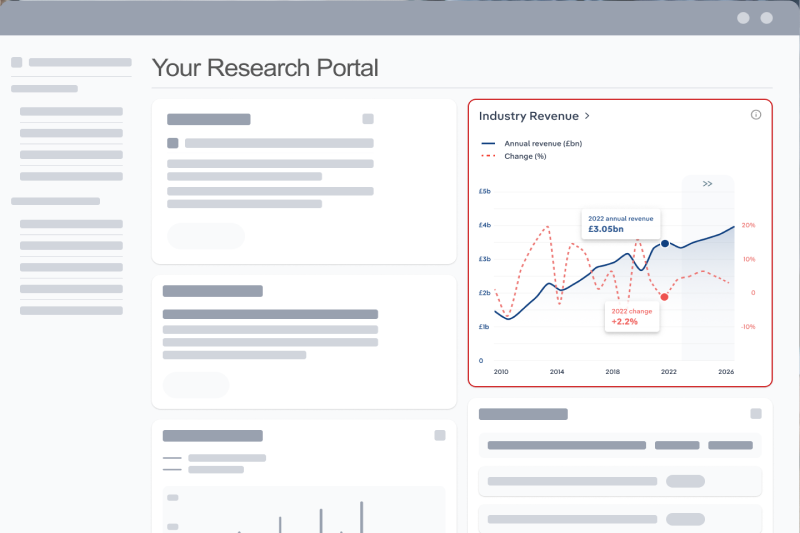
Streamline your workflow with IBISWorld’s intelligence built into your toolkit.
Explore industries with similar markets, supply chains, and economic drivers to gain broader context and insights.
| Industry | Country | Last 5-yr CAGR | Forecast 5-year CAGR | Revenue |
|---|---|---|---|---|
| Shearing, Cropping & Agricultural Support Services in New Zealand |

|
XX% | XX% | $XX |
| Industrial & Agricultural Chemical Product Wholesaling in New Zealand |
|
XX% | XX% | $XX |
| Grain Growing in New Zealand |
|
XX% | XX% | $XX |
| Grape Growing in New Zealand |
|
XX% | XX% | $XX |
When the stakes are high, you need intelligence that cuts through the noise—wherever you work.
The domestic price of fertiliser in New Zealand in 2027 was 152.9 index points.
The domestic price of fertiliser in New Zealand grew by 3.65% in 2027.
IBISWorld’s data and analysis on domestic price of fertiliser in New Zealand includes forecasted growth rates over the next five years.