
IBISWorld Platform
Answer any industry question in minutes with our entire database at your fingertips.

Canadian total trade in 2026 is projected to edge up to $1.6 trillion, a 3.5% increase, as Canada works to expand economic ties beyond the United States amid ongoing tariff-related frictions. While the US remains Canada's primary trading partner, higher duties and a more contentious relationship are encouraging diversification. In early 2026, Canada and China agreed to reduce tariffs on select Canadian exports, such as certain agricultural and resource-based goods, while Canada committed to applying a most-favoured-nation tariff rate to a quota of Chinese electric vehicles instead of the previously imposed 100.0% surtax. Canada also extended remission of surtaxes on specific Chinese steel and metal products deemed in short supply, allowing importers exemptions that support industrial users and trade volumes. At the same time, Canada is pursuing trade discussions and agreements with markets such as India and other emerging partners, which are expected to gradually expand both imports and exports over the forecast period.Over the period from 2021 to 2026, Canadian total trade was characterized by a strong though uneven rebound. The rebound in 2021 and 2022 from a pandemic low was robust but both non-static and non-linear, with key drivers being the reopening of global economies, the unwinding of restrictions and pent-up demand. By 2024, total trade had recovered to $1.5 trillion, exceeding pre-pandemic levels. The energy, automotive, and consumer goods sectors all contributed to the resurgence but remained highly sensitive to supply chain and demand shocks. Throughout this period, volatile exchange rates, extreme swings in commodity prices, and shifting geopolitical realities—such as war in Ukraine and the rapid global push for decarbonization—created a constantly changing context for trade flows. These macroeconomic challenges prompted Canadian policymakers and businesses to prioritize diversification of trade partners—particularly in Asia-Pacific—while enhancing digital trade capabilities, investment in logistics and supply chain resilience and regulatory compliance with emerging sustainability standards. As a result, total trade grew at a CAGR of 2.6% from 2021 to 2026, but with significant quarterly and sectoral volatility.Policy and business emphasis on flexibility and resilience came to the forefront during this period as external shocks—trade disputes, global economic cycles, and shifts toward clean technology—demanded rapid adjustment. The ongoing transition towards sustainable products and improved digital supply chain management reinforced the need for agility, shaping both market access strategies and sectoral investments.
Curious about what drives these trends? IBISWorld's analyst coverage on the total trade value includes detailled analysis on the current performance, outlook and industries affected.
1980-2032
This report tracks the sum of exports and imports of goods and services out of and into Canada for each calendar year. Historical data is sourced from Statistics Canada and is presented in chained 2017 dollars.
IBISWorld Industry Reports are available in multiple formats to fit seamlessly into your workflow.

Answer any industry question in minutes with our entire database at your fingertips.
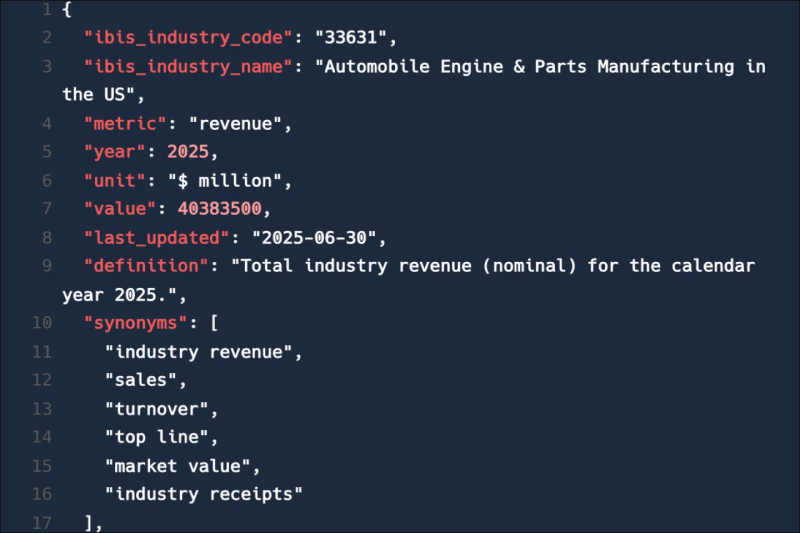
Feed trusted, human-driven industry intelligence straight into your platform.
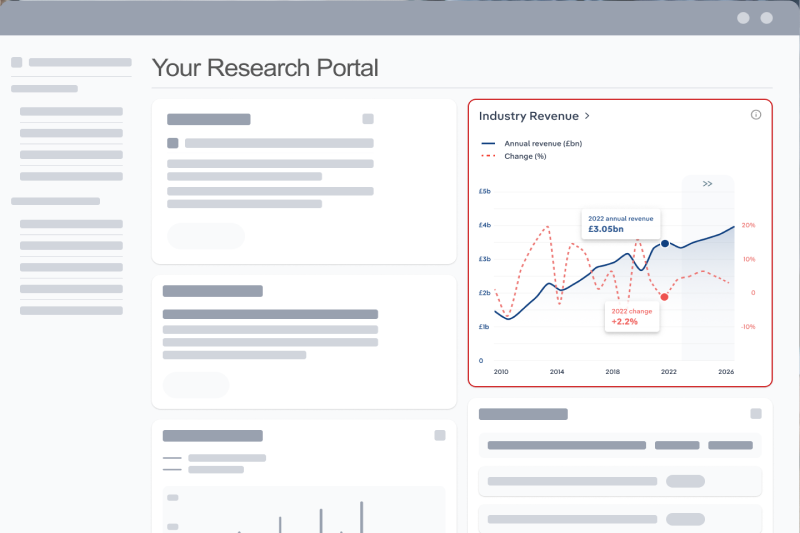
Streamline your workflow with IBISWorld’s intelligence built into your toolkit.
Explore industries with similar markets, supply chains, and economic drivers to gain broader context and insights.
| Industry | Country | Last 5-yr CAGR | Forecast 5-year CAGR | Revenue |
|---|---|---|---|---|
| Ocean & Coastal Transportation in Canada |

|
XX% | XX% | $XX |
| Freight Forwarding & Customs Brokers in Canada |
|
XX% | XX% | $XX |
| General Warehousing & Storage in Canada |
|
XX% | XX% | $XX |
| Freight Packing & Logistics Services in Canada |
|
XX% | XX% | $XX |
| Rail Transportation in Canada |
|
XX% | XX% | $XX |
| Local Freight Trucking in Canada |
|
XX% | XX% | $XX |
| Long-Distance Freight Trucking in Canada |
|
XX% | XX% | $XX |
| Organic Basic Chemical Manufacturing in Canada |
|
XX% | XX% | $XX |
| Long-Distance Specialized Freight Trucking in Canada |
|
XX% | XX% | $XX |
| Truck & Bus Manufacturing in Canada |
|
XX% | XX% | $XX |
| Couriers & Local Delivery Services in Canada |
|
XX% | XX% | $XX |
| Paper Product Manufacturing in Canada |
|
XX% | XX% | $XX |
| Truck Trailer & Motor Home Manufacturing in Canada |
|
XX% | XX% | $XX |
| Train, Subway & Transit Car Manufacturing in Canada |
|
XX% | XX% | $XX |
When the stakes are high, you need intelligence that cuts through the noise—wherever you work.
The total trade value in Canada in 2026 was $1,594.44 billion.
The total trade value in Canada grew by 2.61% in 2026.
IBISWorld’s data and analysis on total trade value in Canada includes forecasted growth rates over the next five years.