
IBISWorld Platform
Answer any industry question in minutes with our entire database at your fingertips.

Canadian exports are set to reach $764.9 billion in 2026, a 3.2% climb from 2025, with commodity strength offsetting external headwinds from tariff disputes with the United States. Gold is the standout contributor. Elevated bullion prices in world markets are lifting the value of Canadian output, and the country's established mining base positions it to capture that upside directly. Financial market disruption keeps investors anchored to precious metals as a hedge, sustaining price support through the year and translating into stronger export receipts across both refined and unrefined shipments. Energy commodities add a second leg of growth. The Bank of Canada attributes the gain to firmer crude oil prices, which are pushing up the value of petroleum shipments across 2026. That tailwind looks temporary — the Bank expects oil price support to fade by 2027, removing a meaningful prop from export values and leaving gold to carry more of the load next year.Over 2021 to 2026, Canadian exports experienced a cycle of contraction and partial recovery driven by global disruptions and evolving market dynamics. As economies reopened and restrictions eased, exports rebounded, surpassing pre-pandemic levels to reach $752.0 billion in 2024. The rebound was led by renewed strength in energy exports, which benefited from higher prices and global demand as energy markets stabilized. Innovations in extraction technology and adaptability to shifting commodity values improved sector resilience. At the same time, heightened global competition from emerging markets like China—and the rise of non-tariff barriers—forced Canadian exporters to adapt by enhancing product quality, reducing costs, and diversifying markets. Exchange rate fluctuations remained significant, impacting pricing power and market share. Over the entire period, exporters invested in digitization, market research, and compliance with new environmental and trade standards to remain competitive in a rapidly evolving landscape. The resulting average annual export growth rate over five years to 2026 is 2.7%.Strategic focus on market diversification and adaptation to trade agreements was essential for export stability. Shifts toward a cleaner, value-added export mix and stronger engagement with emerging economies positioned Canadian exports to better absorb external shocks. Continued emphasis on regulatory agility and economic policy flexibility reflects the persistent need to manage volatility in both global demand and supply conditions.
Curious about what drives these trends? IBISWorld's analyst coverage on the total exports includes detailled analysis on the current performance, outlook and industries affected.
1980-2032
This report tracks the total exports of goods and services out of Canada for each calendar year. Historical data is sourced from Statistics Canada and is presented in chained 2017 dollars.
IBISWorld Industry Reports are available in multiple formats to fit seamlessly into your workflow.

Answer any industry question in minutes with our entire database at your fingertips.
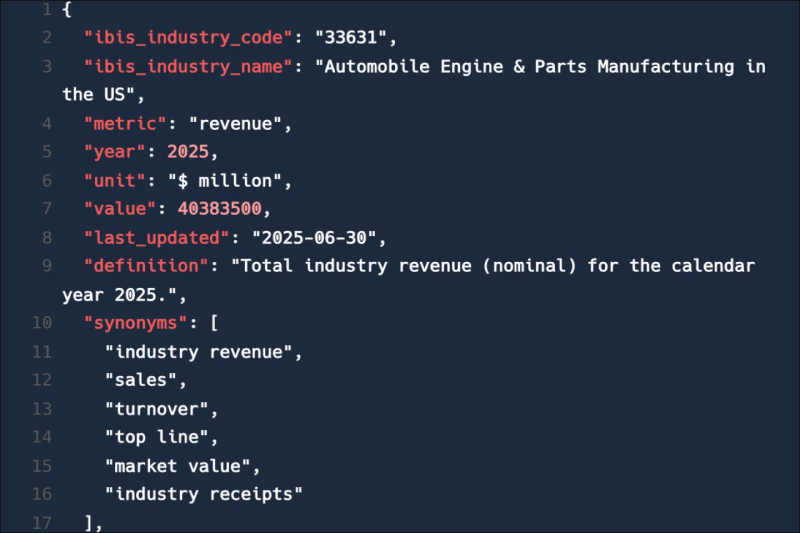
Feed trusted, human-driven industry intelligence straight into your platform.
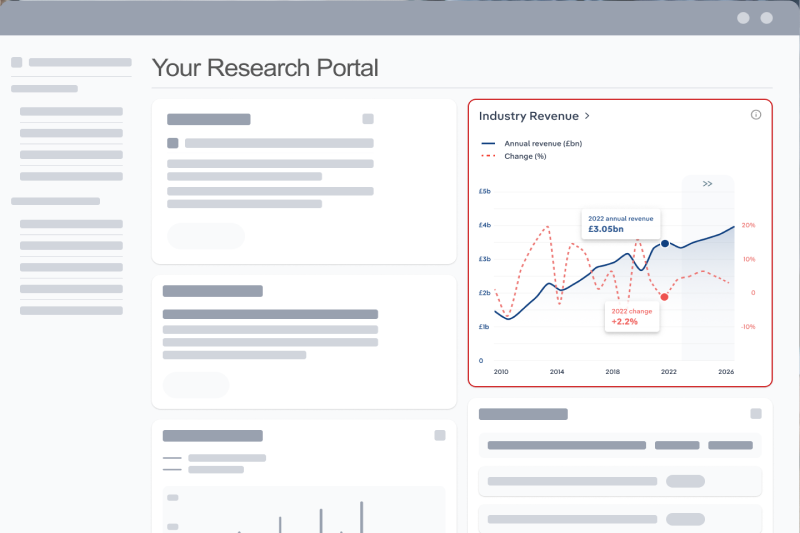
Streamline your workflow with IBISWorld’s intelligence built into your toolkit.
Explore industries with similar markets, supply chains, and economic drivers to gain broader context and insights.
| Industry | Country | Last 5-yr CAGR | Forecast 5-year CAGR | Revenue |
|---|---|---|---|---|
| Packaging & Labelling Services in Canada |

|
XX% | XX% | $XX |
| Semiconductor & Other Electronic Component Manufacturing in Canada |
|
XX% | XX% | $XX |
When the stakes are high, you need intelligence that cuts through the noise—wherever you work.
The total exports in Canada in 2026 was $764.91 billion.
The total exports in Canada grew by 2.66% in 2026.
IBISWorld’s data and analysis on total exports in Canada includes forecasted growth rates over the next five years.