IBISWorld Platform
Answer any industry question in minutes with our entire database at your fingertips.

The price of fertilizer in Canada is indexed at 122.4 in 2025, reflecting rapid annualized growth of 8.6% since 2020. Key drivers of this trend include persistently high natural gas prices, which directly impact the cost of nitrogen-based fertilizers, as well as global supply chain disruptions and ongoing inflation. Fluctuating energy markets and heightened geopolitical risk, exemplified by the war in Ukraine and subsequent trade sanctions, have compounded these pressures, limiting access to low-cost inputs and alternative suppliers. Fertilizer demand has remained robust as producers aim to maximize crop yields amid rising commodity prices, further supporting elevated fertilizer prices in the period.Between 2020 and 2025, price movements have mirrored developments in natural gas markets, with spikes in input costs quickly transferred to end-users. The COVID-19 pandemic initially drove fertilizer prices lower in 2020 due to falling oil prices and decreased agricultural activity. However, as the global economy rebounded in 2021, fertilizer prices surged by over 30% due to supply shortages, rising demand and renewed export restrictions. The conflict in Ukraine since 2022 introduced additional volatility, as economic sanctions on Russia, one of the world's largest fertilizer and natural gas suppliers, forced Canadian producers to diversify sourcing and absorb higher costs. Ongoing inflation, strong agricultural commodity prices and attempts to maximize harvests have sustained robust demand, while supply chain constraints and tighter inventories have driven prices further upward. Despite a temporary decline in 2023 and 2024, prices remained well above pre-pandemic levels, with a renewed rise in 2025 as persisting inflationary pressures and tighter supply carried over into the year.From 2020 to 2025, macro trends such as geopolitical instability in major supplier markets, growing food security concerns and renewed focus on yield optimization shaped fertilizer demand and pricing. Canadian producers have faced ongoing competitive challenges, including elevated input costs from carbon policies and increased environmental scrutiny. Technology adoption—including precision fertilizer application and eco-friendly formulations emerged as a secondary trend but was not sufficient to offset overall price increases.
Curious about what drives these trends? IBISWorld's analyst coverage on the price of fertilizer includes detailled analysis on the current performance, outlook and industries affected.
2002-2031
The price of fertilizer represents the prices paid by farmers for nitrogen fertilizer products. The data is sourced from Statistics Canada and is presented as an index with 2012 as the base year. Forecasts are sourced from Agriculture and Agri-food Canada.
IBISWorld Industry Reports are available in multiple formats to fit seamlessly into your workflow.

Answer any industry question in minutes with our entire database at your fingertips.
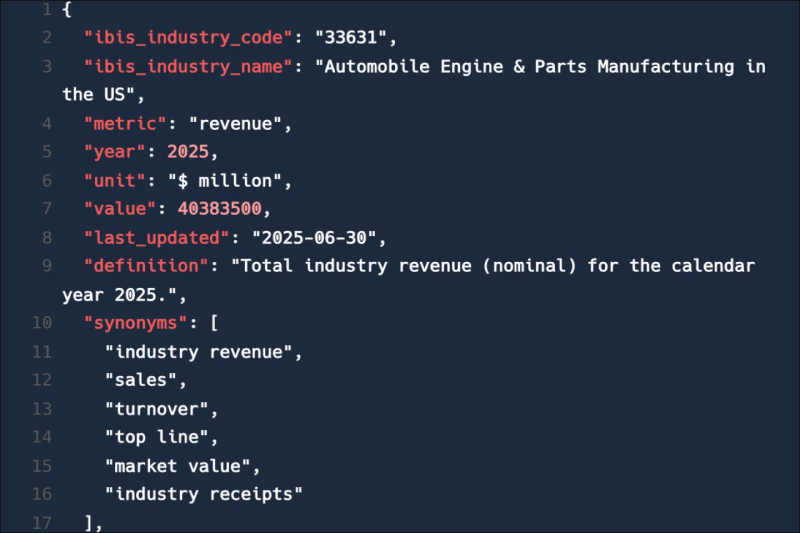
Feed trusted, human-driven industry intelligence straight into your platform.
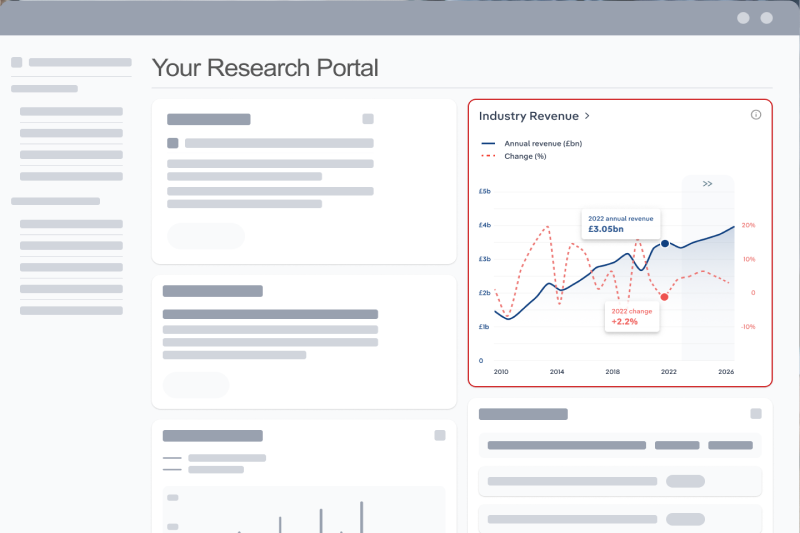
Streamline your workflow with IBISWorld’s intelligence built into your toolkit.
Explore industries with similar markets, supply chains, and economic drivers to gain broader context and insights.
| Industry | Country | Last 5-yr CAGR | Forecast 5-year CAGR | Revenue |
|---|---|---|---|---|
| Farm Supplies Wholesaling in Canada |

|
XX% | XX% | $XX |
| Fertilizer Manufacturing in Canada |
|
XX% | XX% | $XX |
| Nursery & Garden Stores in Canada |
|
XX% | XX% | $XX |
| Landscaping Services in Canada |
|
XX% | XX% | $XX |
| Wheat Farming in Canada |
|
XX% | XX% | $XX |
| Plant & Flower Growing in Canada |
|
XX% | XX% | $XX |
When the stakes are high, you need intelligence that cuts through the noise—wherever you work.
The price of fertilizer in Canada in 2025 was 122.38 index points.
The price of fertilizer in Canada grew by 8.58% in 2025.
IBISWorld’s data and analysis on price of fertilizer in Canada includes forecasted growth rates over the next five years.