IBISWorld Platform
Answer any industry question in minutes with our entire database at your fingertips.

In 2026, the price of Western Canadian Select (WCS) crude oil is forecast to average $87.6 per barrel, up 16.7% from 2025 due to the conflict in Iran, which has disrupted global oil supply. Canadian oil prices have remained volatile, heavily shaped by international trade disputes and the domestic market's exposure to global pricing. Operating costs and environmental regulations, such as the Greenhouse Gas Pollution Pricing Act, have constrained producer margins.Between 2021 and 2026, WCS prices fluctuated significantly, beginning with sharp spikes amid pandemic recovery. As global economies reopened, surging downstream demand and crude prices rebounded, particularly in US markets, where Canada exported 93.0% of its production in 2024. Volatility was exacerbated by Russia's invasion of Ukraine in 2022, sparking global supply disruptions and fostering record price growth. Canadian producers responded with increased output, but infrastructure bottlenecks maintained a price differential relative to lighter benchmarks like Brent and WTI. During 2021 and 2022, inflation and supply chain constraints contributed to overheated markets, while stringent Canadian environmental measures raised operating costs and influenced production practices. After surging, oil prices fell 19.5% in 2023 as downstream demand softened, but renewed trade frictions and conflict in the Middle East raised concerns about potential supply disruptions, inching prices back up in 2024. Macro trends, including international policy shifts, the rapid expansion of domestic supply chains and escalating demand for reliable unsanctioned crude sources, contributed to sustained price volatility. Industry reliance on oil as a production input and fuel kept consumption levels buoyed even as inflation challenged household and industrial spending.The overall five-year period underscored the sensitivity of Canadian oil prices to geopolitical conflict, environmental regulation and global supply dynamics, highlighting the importance of trade relations and competitive market positioning. Movement of oil by rail and truck in response to pipeline constraints further compounded cost structures for Canadian producers and widened price differentials.
Curious about what drives these trends? IBISWorld's analyst coverage on the price of canadian oil includes detailled analysis on the current performance, outlook and industries affected.
1990-2032
The price of Canadian oil represents the price of Western Canadian Select (WCS), the benchmark for most Alberta oil producers. Annual figures are presented as the equally weighted average of monthly averages. Figures are derived from the published Economic Dashboard of Alberta and Bank of Canada data.
IBISWorld Industry Reports are available in multiple formats to fit seamlessly into your workflow.

Answer any industry question in minutes with our entire database at your fingertips.
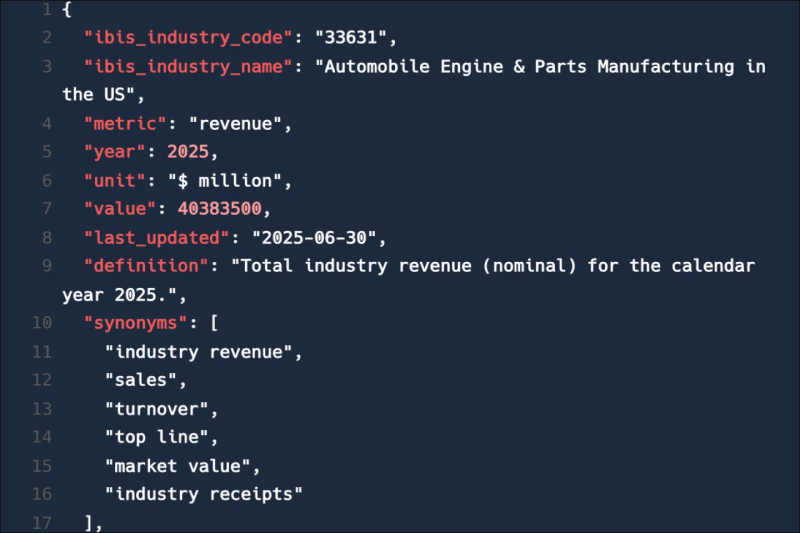
Feed trusted, human-driven industry intelligence straight into your platform.
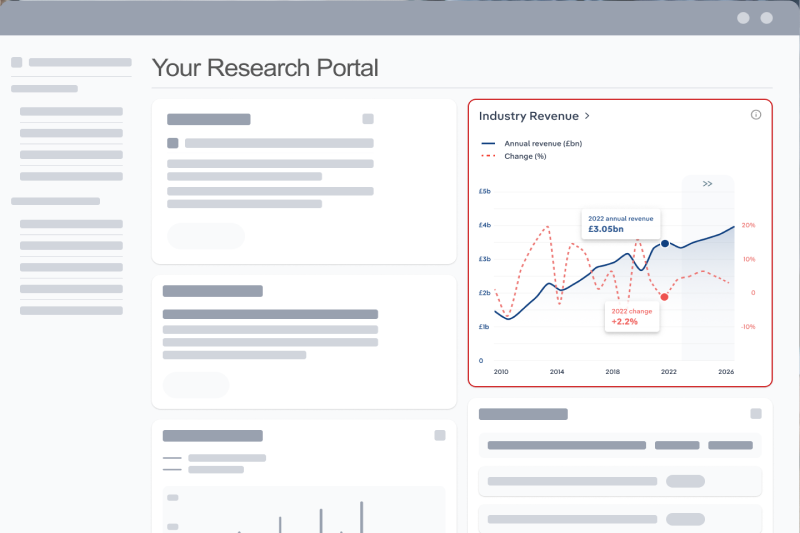
Streamline your workflow with IBISWorld’s intelligence built into your toolkit.
Explore industries with similar markets, supply chains, and economic drivers to gain broader context and insights.
| Industry | Country | Last 5-yr CAGR | Forecast 5-year CAGR | Revenue |
|---|---|---|---|---|
| Auto Parts Wholesaling in Canada |

|
XX% | XX% | $XX |
| Farm Supplies Wholesaling in Canada |
|
XX% | XX% | $XX |
| Gas Stations in Canada |
|
XX% | XX% | $XX |
| Oil & Gas Field Services in Canada |
|
XX% | XX% | $XX |
When the stakes are high, you need intelligence that cuts through the noise—wherever you work.
The price of canadian oil in Canada in 2026 was 87.63 $.
The price of canadian oil in Canada grew by 4.96% in 2026.
IBISWorld’s data and analysis on price of canadian oil in Canada includes forecasted growth rates over the next five years.