IBISWorld Platform
Answer any industry question in minutes with our entire database at your fingertips.

Per capita soft drink consumption is set to fall -2.5% in 2026 to 41.5 litres. Health Canada's mandatory front-of-package labelling rules took effect on January 1. Most regular soft drinks now carry a high in sugar symbol, which gives shoppers a clear warning at the point of sale. Canada also became the first G7 country to approve generic semaglutide this year. That opens the way for cheaper GLP-1 medications, which are linked to reduced cravings for sugary foods and drinks. Economic uncertainty is weighing on discretionary spending, as the breakdown of trade talks with the United States brought new tariffs and an energy price shock kept inflation elevated. Slower population growth tied to lower immigration targets is also limiting the inflow of younger consumers, who drink soft drinks most often. However, the removal of Newfoundland and Labrador's sugar tax in 2025 and growth in zero-sugar varieties are partly cushioning the decline.Per capita soft drink consumption has fallen sharply over the five years through 2026, extending a long-term decline. An aging population has been a key factor, as Statistics Canada research shows soft drink intake drops considerably with age. As the median age has risen, a growing share of Canadians fall into age groups that rarely drink soft drinks.Health concerns have also weighed heavily on demand. Rising awareness of the links between sugar, obesity, type 2 diabetes and heart disease has encouraged consumers to cut back. Plain bottled water overtook carbonated drinks as Canada's largest packaged beverage by volume. Ready-to-drink coffee, sports drinks and functional beverages such as prebiotic sodas have also captured share. Beverage makers responded by reformulating recipes, promoting zero-sugar lines and offering smaller serving sizes, which slowed but did not reverse the decline. Prices have had an impact on consumption. In 2022 and 2023, steep food price increases pushed households to cut back on discretionary items and favour cheaper or more nutritious alternatives. From 2025, US tariffs on steel and aluminum and Canada's countermeasures raised the cost of beverage cans, adding to price pressure on canned soft drinks.Policy also shaped performance. Newfoundland and Labrador introduced Canada's first tax on sugar-sweetened beverages in 2022 but repealed it in mid-2025, citing affordability. The repeal removed a drag on sales in the province. Federal front-of-package labelling rules, finalized in 2022, gave manufacturers several years to prepare and spurred further reformulation ahead of the 2026 deadline. Overall, per capita soft drink consumption has declined at an expected compound annual rate of 4.2% over the five years through 2026.
Curious about what drives these trends? IBISWorld's analyst coverage on the per capita soft drink consumption includes detailled analysis on the current performance, outlook and industries affected.
1980-2032
Per capita soft drink consumption measures the annual amount of soft drinks consumed per person, measured in litres. Soft drink consumption measures both regular and diet soft drink consumption. Data is sourced from Statistics Canada's food availability survey, the Organisation for Economic Cooperation and Development and the Food and Agriculture Organization of the United Nations.
IBISWorld Industry Reports are available in multiple formats to fit seamlessly into your workflow.

Answer any industry question in minutes with our entire database at your fingertips.
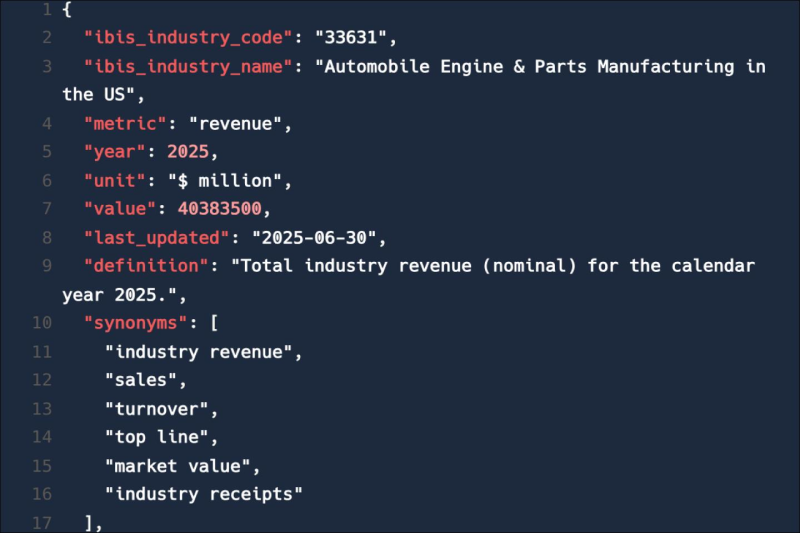
Feed trusted, human-driven industry intelligence straight into your platform.
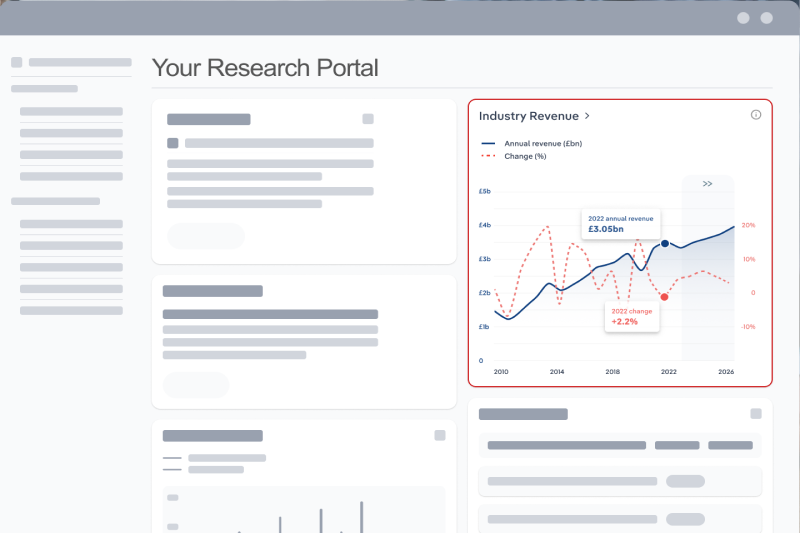
Streamline your workflow with IBISWorld’s intelligence built into your toolkit.
Explore industries with similar markets, supply chains, and economic drivers to gain broader context and insights.
| Industry | Country | Last 5-yr CAGR | Forecast 5-year CAGR | Revenue |
|---|---|---|---|---|
| Soft Drink Manufacturing in Canada |

|
XX% | XX% | $XX |
| Bottled Water Production in Canada |
|
XX% | XX% | $XX |
| Metal Can & Container Manufacturing in Canada |
|
XX% | XX% | $XX |
| Syrup & Flavouring Manufacturing in Canada |
|
XX% | XX% | $XX |
| Juice Production in Canada |
|
XX% | XX% | $XX |
| Vending Machine Operators in Canada |
|
XX% | XX% | $XX |
| Dental Offices in Canada |
|
XX% | XX% | $XX |
| Plastic Bottle Manufacturing in Canada |
|
XX% | XX% | $XX |
When the stakes are high, you need intelligence that cuts through the noise—wherever you work.
The per capita soft drink consumption in Canada in 2026 was 41.46 liters.
The per capita soft drink consumption in Canada declined by -4.17% in 2026.
IBISWorld’s data and analysis on per capita soft drink consumption in Canada includes forecasted growth rates over the next five years.