IBISWorld Platform
Answer any industry question in minutes with our entire database at your fingertips.

Seafood is considered a luxury good, meaning its demand is highly correlated with consumers' disposable incomes. Recovering economic conditions typically bolster seafood sales, though environmental issues can limit consumption regardless of income growth. Because marine habitats are fragile, contamination events, including petrochemical spills, can kill wildlife and introduce health risks that discourage shoppers. At the same time, seafood's reputation as a high-protein, low-fat alternative to red meat continues to support demand among health-conscious consumers. Per capita seafood consumption is forecast to climb 2.2% to reach 7.6 kilograms in 2026, as rising meat prices encourage cost-conscious buyers to substitute toward fish and shellfish. This increase caps a volatile stretch for the category, with per capita consumption still down at a compound annual rate of 1.5% since 2021, underscoring how inflation and shifting sentiment have weighed on discretionary seafood spending. A steady economic recovery has underpinned much of the rebound in per capita seafood consumption over the past five years, as consumers have grown more comfortable spending on discretionary grocery items after early-pandemic disruptions. Domestic producers played a supporting role by keeping catch volumes stable, which helped temper fish price growth even as broader inflationary pressures took hold. Fish prices grew 5.4% in 2022, according to Statistics Canada data, a smaller increase than the price growth recorded for other grocery staples, including meat, fruit and eggs. That price gap made seafood comparatively more attractive to cost-conscious shoppers, reinforcing its appeal alongside its standing as a lean, high-protein alternative to red meat. Despite these gains, per capita seafood consumption has not fully recovered the ground lost earlier in the period. Recessionary fears curbed spending on discretionary items, including seafood, before rising meat prices helped revive demand in the years that followed. Elevated grocery prices have broadly made consumers more price-sensitive, prompting some to trade down to cheaper protein sources even as others traded up to seafood for its price advantage relative to meat.
Curious about what drives these trends? IBISWorld's analyst coverage on the per capita seafood consumption includes detailled analysis on the current performance, outlook and industries affected.
1988-2032
Per capita seafood consumption represents the weight of seafood consumed by the average Canadian during a calendar year, measured in pounds. Seafood includes all fresh, frozen and canned fish and shellfish. Data is sourced from Statistics Canada.
IBISWorld Industry Reports are available in multiple formats to fit seamlessly into your workflow.

Answer any industry question in minutes with our entire database at your fingertips.
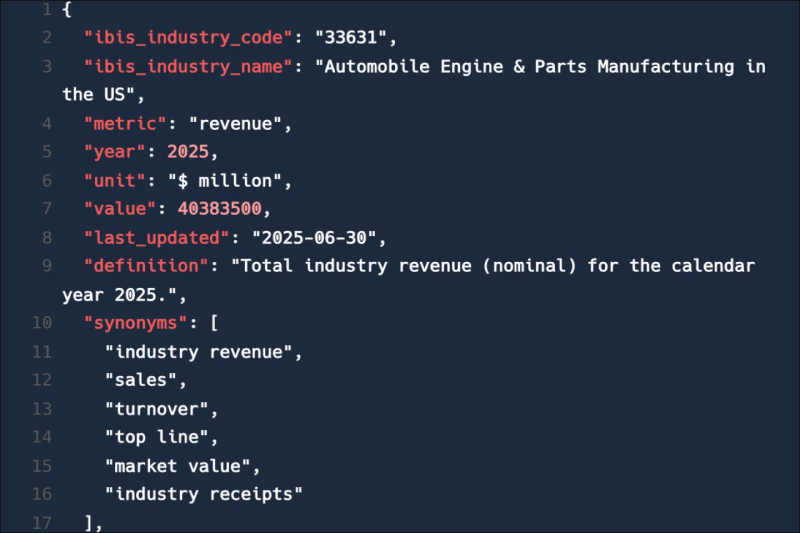
Feed trusted, human-driven industry intelligence straight into your platform.
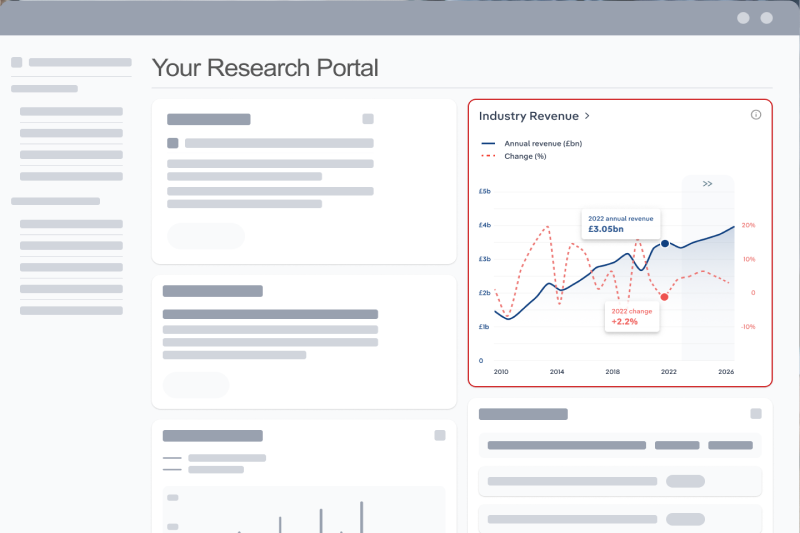
Streamline your workflow with IBISWorld’s intelligence built into your toolkit.
Explore industries with similar markets, supply chains, and economic drivers to gain broader context and insights.
| Industry | Country | Last 5-yr CAGR | Forecast 5-year CAGR | Revenue |
|---|---|---|---|---|
| Fish & Seafood Wholesaling in Canada |

|
XX% | XX% | $XX |
| Fishing in Canada |
|
XX% | XX% | $XX |
| Meat Processing in Canada |
|
XX% | XX% | $XX |
| Seafood Preparation in Canada |
|
XX% | XX% | $XX |
When the stakes are high, you need intelligence that cuts through the noise—wherever you work.
The per capita seafood consumption in Canada in 2026 was 7.63 kilograms.
The per capita seafood consumption in Canada declined by -1.46% in 2026.
IBISWorld’s data and analysis on per capita seafood consumption in Canada includes forecasted growth rates over the next five years.