
IBISWorld Platform
Answer any industry question in minutes with our entire database at your fingertips.

Per capita poultry consumption in Canada is inching up 1.6% in 2026, underpinned by chicken's structural affordability relative to beef. Sustained beef price escalation keeps chicken the default value protein for households trimming grocery budgets — an advantage that's built steadily over recent years rather than emerging suddenly. That edge is narrowing. Poultry production is tracking below expectations, straining domestic supply chains and creating upward pressure on retail chicken prices through the year. The gap against substitute proteins should stay wide enough to preserve the volume gain, though processor and downstream buyer margins will tighten as input costs climb and pass-through options remain limited. Foodservice expansion reinforces the trend. A wave of quick-service chains built around chicken is widening availability at competitive price points, while growing demand for halal- and kosher-certified poultry supports volumes across specialty retail and restaurant channels. The USDA's Foreign Agricultural Service expects these conditions to lift consumption across the year, sustaining volume momentum heading into 2026.From 2021 through 2026, the sector has seen considerable turbulence. During the pandemic in 2020, a notable drop in per capita consumption occurred as lockdowns closed food service venues, and uncertainty about employment curbed household spending. As restrictions eased, social and family gatherings, along with gradually rising incomes, prompted partial recovery in poultry consumption. Despite this rebound, inflation sustained pressure on both consumers and producers, constraining consumption gains as Canadians shifted spending away from higher-priced foods, or alternated towards perceived affordable proteins. Simultaneously, dietary guidelines and ongoing health research further influenced a preference for poultry over red meat, as health consciousness became more prominent in purchasing decisions. The competitive landscape shifted as plant-based meat substitutes grew in availability and consumer adoption, providing further alternatives and restraining the upward momentum of traditional poultry demand. Urbanization and the increase in single-person households favored poultry, given its adaptability and convenience, while population shifts due to immigration and migration diversified preferences, supporting overall sector resilience.Additional macro trends during this period include changing household structures favoring easy-preparation foods, continued urbanization facilitating demand for convenient proteins, and consumer health awareness strengthening poultry's competitive position relative to other meats and protein alternatives. Over this five-year period, these trends limited overall growth to a compound annual rate of 1.0%.
Curious about what drives these trends? IBISWorld's analyst coverage on the per capita poultry consumption includes detailled analysis on the current performance, outlook and industries affected.
1980-2032
Per capita poultry consumption represents the total carcass weight of chicken, fowl and turkey products consumed in a given year per person. Data is sourced from Statistic Canada's survey on per capita animal protein disappearance, the Organisation for Economic Cooperation and Development and the Food and Agriculture Organization of the United Nations.
IBISWorld Industry Reports are available in multiple formats to fit seamlessly into your workflow.

Answer any industry question in minutes with our entire database at your fingertips.
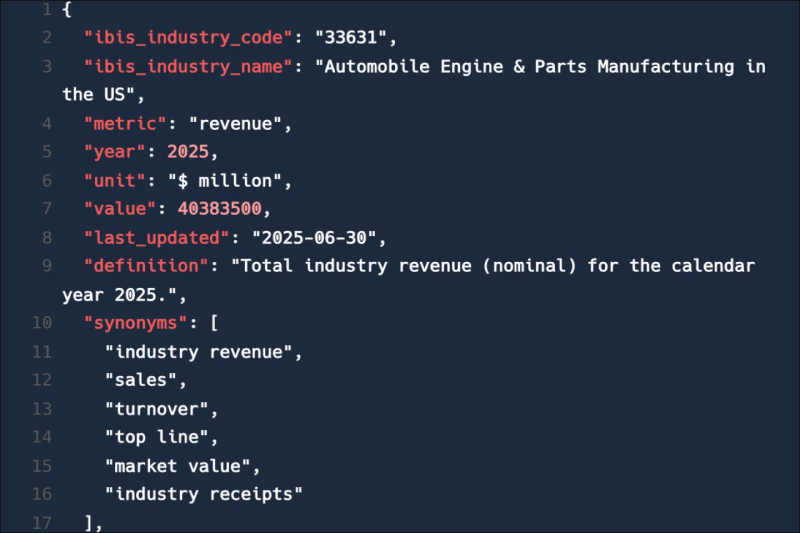
Feed trusted, human-driven industry intelligence straight into your platform.

Streamline your workflow with IBISWorld’s intelligence built into your toolkit.
Explore industries with similar markets, supply chains, and economic drivers to gain broader context and insights.
| Industry | Country | Last 5-yr CAGR | Forecast 5-year CAGR | Revenue |
|---|---|---|---|---|
| Chicken & Turkey Meat Production in Canada |

|
XX% | XX% | $XX |
| Supermarkets & Grocery Stores in Canada |
|
XX% | XX% | $XX |
When the stakes are high, you need intelligence that cuts through the noise—wherever you work.
The per capita poultry consumption in Canada in 2026 was 36.2 kilograms.
The per capita poultry consumption in Canada grew by 1.03% in 2026.
IBISWorld’s data and analysis on per capita poultry consumption in Canada includes forecasted growth rates over the next five years.