IBISWorld Platform
Answer any industry question in minutes with our entire database at your fingertips.

Real per capita disposable income in Canada is estimated to reach $33,837 in 2026, up 1.6% from the previous year. This accelerated growth reflects calming affordability pressures driven by interest rate cuts and rising wages. Income distribution has become increasingly unequal, with the gap between Canada's highest- and lowest-income households reaching a record high in the first quarter of 2025. The lowest-income households saw disposable income strengthen by only 3.2% year-over-year, despite significant government transfer increases of 31.2%, because their wages declined by 0.7% and investment income fell by 35.3%. In contrast, the highest-income households experienced much stronger disposable income growth, benefiting from both wage gains and investment income.The past five years have witnessed dramatic volatility in real per capita disposable income, driven initially by unprecedented government pandemic support and subsequently by its withdrawal. Disposable income plummeted by 4.9% in 2021 after reaching an all-time peak the year before, as pandemic supports and emergency benefits were withdrawn and inflation accelerated. The fall continued in 2022, plunging another 4.4% to $31,858, the lowest level since 2014, as inflation reached four-decade highs and aggressive Bank of Canada rate hikes reduced investment income while increasing debt servicing costs for mortgage holders and other borrowers. For households in the lowest income quintiles, interest payments increased more than investment income gains, compounding the erosion of purchasing power from inflation in essential categories such as food, shelter and transportation.Recovery began tentatively in 2023 and exceeded 2019 pre-pandemic levels in 2025, as labor market conditions stabilized and wage growth resumed. This still stands in stark contrast to Canada's historical income trajectory—long-term analysis shows Canadian real disposable income per capita has grown at an average of just 1.3% annually over four decades compared to 1.9% in the United States, creating a cumulative 40% growth gap that reflects structural challenges in productivity and wage progression.
Curious about what drives these trends? IBISWorld's analyst coverage on the per capita disposable income includes detailled analysis on the current performance, outlook and industries affected.
1990-2032
Per capita disposable income in Canada represents the average amount of money available to Canadian individuals after taxes and mandatory deductions, measured in constant Canadian dollars adjusted for inflation. This metric reflects real purchasing power and living standards by accounting for price level changes over time, capturing both earned income and government transfer payments net of personal income taxes. Data is sourced from Statistics Canada and represents real disposable income in chained 2017 Canadian dollars.
IBISWorld Industry Reports are available in multiple formats to fit seamlessly into your workflow.

Answer any industry question in minutes with our entire database at your fingertips.

Feed trusted, human-driven industry intelligence straight into your platform.
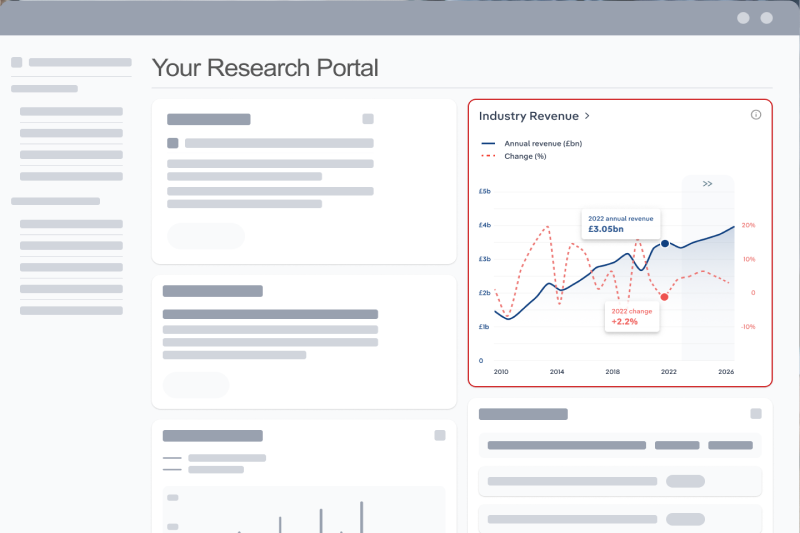
Streamline your workflow with IBISWorld’s intelligence built into your toolkit.
Explore industries with similar markets, supply chains, and economic drivers to gain broader context and insights.
When the stakes are high, you need intelligence that cuts through the noise—wherever you work.
The per capita disposable income in Canada in 2026 was 33,837.47 $.
The per capita disposable income in Canada grew by 0.31% in 2026.
IBISWorld’s data and analysis on per capita disposable income in Canada includes forecasted growth rates over the next five years.