
IBISWorld Platform
Answer any industry question in minutes with our entire database at your fingertips.

Beef consumption faces pressure in 2026 despite rising imports from earlier trade deals that expand availability on the market. Elevated prices and a growing consumer preference for chicken hold growth to a moderate pace. Low cattle herds keep base costs high, since rebuilding a herd takes years and constrains slaughter volumes in the interim, eroding beef's price competitiveness against alternatives that reach market faster. Beef remains a core meat staple in Canadian households, but affordability is starting to shift purchases toward chicken, cutting into sales and demand through the year. Michael von Massow, a food economist at the University of Guelph, noted that cheaper beef cuts continue to support demand, giving households a way to stay with the protein without absorbing the full price increase. That dynamic tempers the slowdown without reversing it. Consumption is set to rise 2.5% in 2026, a moderate gain rather than a reflection of unconstrained demand.Per capita beef consumption has slipped steadily for nearly three decades. According to Statistics Canada, the average Canadian consumed 40.2 kilograms of beef and veal in 1980, which fell to 23.8 kilograms in 2024. Beef consumption has dwindled as the health problems associated with it, such as obesity and heart disease, have become increasingly publicized. This lost consumption has primarily shifted to poultry, which is generally viewed as a lower-fat alternative for protein. While beef remains a staple of Canadian diets, per capita consumption of beef and veal have largely slumped through the five years to 2026.
Curious about what drives these trends? IBISWorld's analyst coverage on the per capita beef consumption includes detailled analysis on the current performance, outlook and industries affected.
1980-2032
Per capita beef consumption represents the total carcass weight of beef and veal available for consumption per person per year. Data is sourced from Statistic Canada's survey on per capita animal protein disappearance, the Organisation for Economic Cooperation and Development and the Food and Agriculture Organization of the United Nations.
IBISWorld Industry Reports are available in multiple formats to fit seamlessly into your workflow.

Answer any industry question in minutes with our entire database at your fingertips.
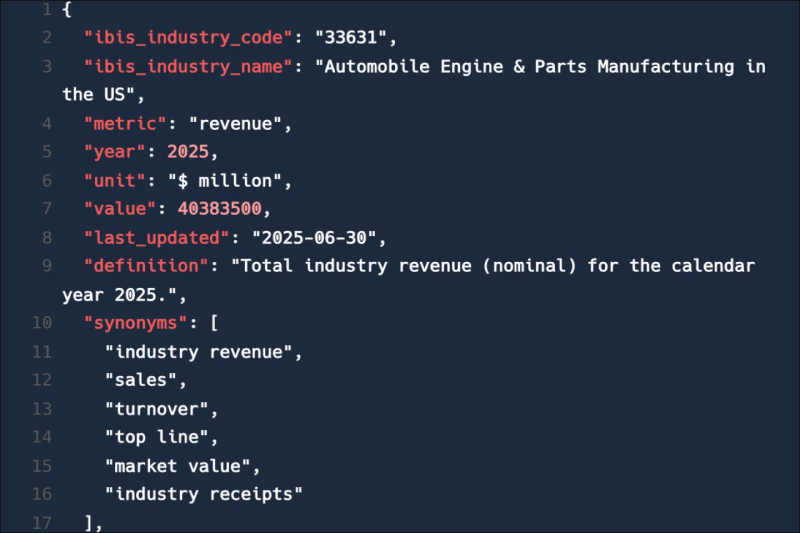
Feed trusted, human-driven industry intelligence straight into your platform.
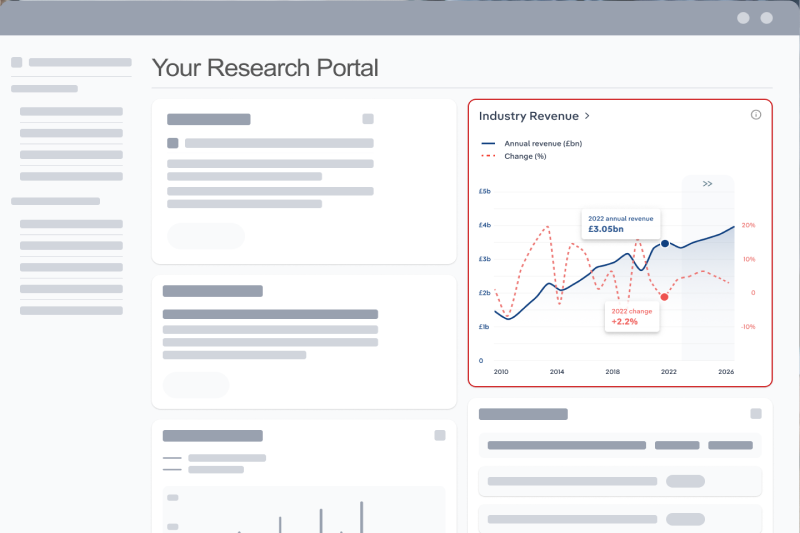
Streamline your workflow with IBISWorld’s intelligence built into your toolkit.
Explore industries with similar markets, supply chains, and economic drivers to gain broader context and insights.
| Industry | Country | Last 5-yr CAGR | Forecast 5-year CAGR | Revenue |
|---|---|---|---|---|
| Beef & Pork Wholesaling in Canada |

|
XX% | XX% | $XX |
| Beef Cattle Ranching & Farming in Canada |
|
XX% | XX% | $XX |
When the stakes are high, you need intelligence that cuts through the noise—wherever you work.
The per capita beef consumption in Canada in 2026 was 24.21 kilograms.
The per capita beef consumption in Canada declined by -0.64% in 2026.
IBISWorld’s data and analysis on per capita beef consumption in Canada includes forecasted growth rates over the next five years.