IBISWorld Platform
Answer any industry question in minutes with our entire database at your fingertips.

Net gasoline sales tend to be relatively stable year to year, influenced by both significant macroeconomic developments and broader demographic trends. The driver tracked overall economic growth and the world price of crude oil over a decade ago. In 2008, the surge in crude oil prices and the ensuing price collapse led to consumers cutting back on some of their gasoline expenditures. As a result, gasoline sales volume declined by 1.2% over the year. Gas sales then rose after the global recession as the price of crude oil expanded only moderately and the economy recovered. However, the severe price collapse in 2014 and the eventual trough in prices in 2016 hampered gasoline sales. Production of gasoline in Canada declined as transportation constraints and low prices squeezed producers' bottom lines. Gas sales rebounded in 2017 as consumers and producers adapted to a new normal for crude oil prices and the economy grew faster than any other G7 nation.However, the COVID-19 pandemic in 2020 brought down net gasoline sales as shelter-in-place orders and temporary closure of many sectors of the economy led to fewer people needing to drive to work or travel to other places for leisure. As a result, net gasoline sales declined 14.9% in 2020 alone, representing the largest decline during the past 30 years. As the economy began to reopen following the initial economic shock, net gasoline sales grew 4.2% in 2021. In 2022, gasoline sales in Canada went up 5.9% as factors like the solid economic reopening in the period continued to scale up spending, as downstream markets returned to producing at higher rates again.Continuing pressures from inflation influenced sales in 2023, though rebounds in production levels in various sectors experiencing resilient consumer spending helped push up the need for more energy to help match consumer spending levels. Even as a potential recession remained a concern, spending for gasoline remained elevated. Rising population rates have pushed up more concurrent usage of more energy, leading to elevated sales of items like gasoline because of their essential needs. As such, gasoline sales grew 2.0% in 2023, and an additional 1.0% in 2024. Over the five years to 2025, gasoline sales has increased at a CAGR of 2.7%.
Curious about what drives these trends? IBISWorld's analyst coverage on the net gasoline sales includes detailled analysis on the current performance, outlook and industries affected.
1987-2031
This driver tracks the volume of gasoline sales in Canada on a net basis. Net gasoline sales exclude the sale of diesel gas and liquefied petroleum gas (LPG). Data is sourced from Statistics Canada and is presented in billion litres.
IBISWorld Industry Reports are available in multiple formats to fit seamlessly into your workflow.

Answer any industry question in minutes with our entire database at your fingertips.
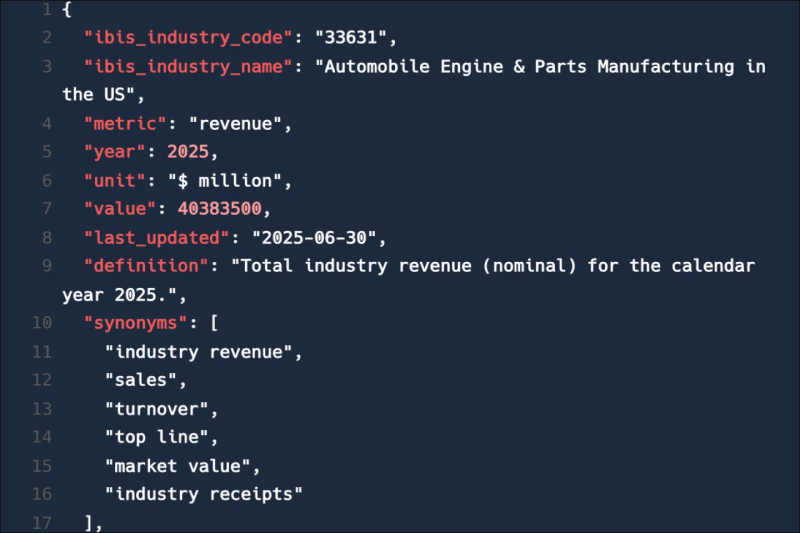
Feed trusted, human-driven industry intelligence straight into your platform.
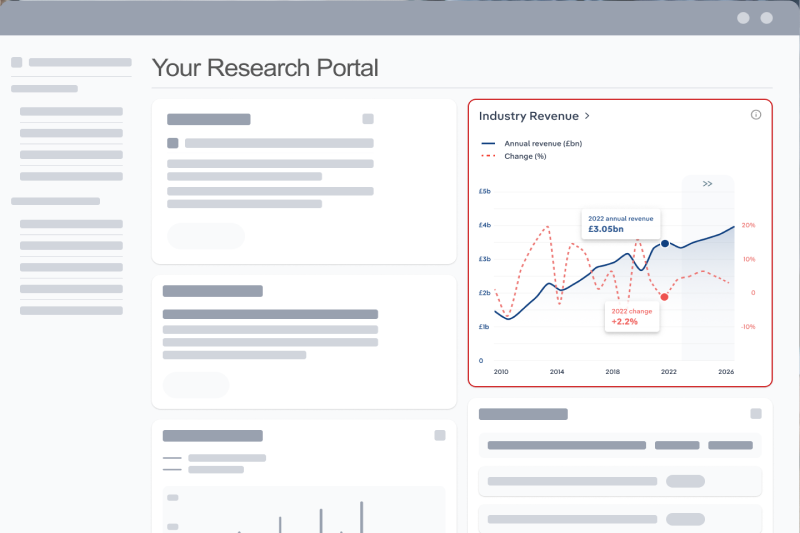
Streamline your workflow with IBISWorld’s intelligence built into your toolkit.
Explore industries with similar markets, supply chains, and economic drivers to gain broader context and insights.
| Industry | Country | Last 5-yr CAGR | Forecast 5-year CAGR | Revenue |
|---|---|---|---|---|
| Gas Stations with Convenience Stores in Canada |

|
XX% | XX% | $XX |
| Gas Stations in Canada |
|
XX% | XX% | $XX |
When the stakes are high, you need intelligence that cuts through the noise—wherever you work.
The net gasoline sales in Canada in 2025 was 42.1 billion liters.
The net gasoline sales in Canada grew by 2.68% in 2025.
IBISWorld’s data and analysis on net gasoline sales in Canada includes forecasted growth rates over the next five years.