
IBISWorld Platform
Answer any industry question in minutes with our entire database at your fingertips.

Unemployment is expected to decline modestly in 2026, with the rate easing to 6.6% as several supportive forces take hold across the labour market. Slower immigration will curb population growth, keeping the labour force relatively stable and limiting excess slack in available workers, which should help maintain hiring conditions. At the same time, employers are expected to continue adding jobs and actively competing for skilled workers, creating opportunities even in an environment of limited population growth and subdued demographic momentum. Reduced inflows of non-permanent residents should also leave more room for domestic job seekers to fill temporary and seasonal roles, providing an additional channel for lowering unemployment during the year. Risks remain, particularly around future trade relations with the United States. The scheduled USMCA review in summer 2026 could introduce uncertainty if an extension is delayed or the agreement is allowed to approach expiry, posing downside risks to both employment and broader economic performance. Key trends during 2021 to 2026 include unprecedented volatility, underpinned by the COVID-19 pandemic's initial shock and subsequent rapid adjustments in labour demand. The sharpest employment losses were observed in hospitality and travel, which contributed to the annual unemployment rate reaching 9.7% at the pandemic's peak. Large-scale vaccination efforts and the gradual lifting of public health restrictions led to robust job recovery from 2021 onward, fueled in part by sustained growth in healthcare, education, warehousing, and transportation. While post-pandemic recovery tightened the labour market and pushed unemployment downward, inflationary pressures and a wave of consumer insolvencies began weighing on household finances by the middle of the decade. Private sector job creation slowed, while the public sector absorbed some of the slack. Bank of Canada interventions through monetary easing responded directly to these headwinds and to risks such as US tariff policy, aiming to stabilize employment despite uncertainty.Additional macro trends shaping labour performance over this five-year span include persistent interprovincial labour mobility barriers due to varying certifications and regulation and the shifting weight of service sectors within the economy. The period exposed the workforce's vulnerability to external shocks and highlighted public policy's central role. Despite a moderating economic backdrop, stability in healthcare and select service sectors helped to limit further spikes in unemployment and preserved underlying resilience in the labour market, culminating in unemployment falling at a 2.4% compound annual rate over these years.
Curious about what drives these trends? IBISWorld's analyst coverage on the national unemployment rate includes detailled analysis on the current performance, outlook and industries affected.
1980-2032
The unemployment rate measures the proportion of Canadians aged 15 and older who are currently unemployed and looking for work. This measure does not account for individuals who have given up searching due to a lack of opportunities or otherwise. The data presented in this report are annual averages based on unadjusted monthly data and are sourced from Statistics Canada.
IBISWorld Industry Reports are available in multiple formats to fit seamlessly into your workflow.

Answer any industry question in minutes with our entire database at your fingertips.
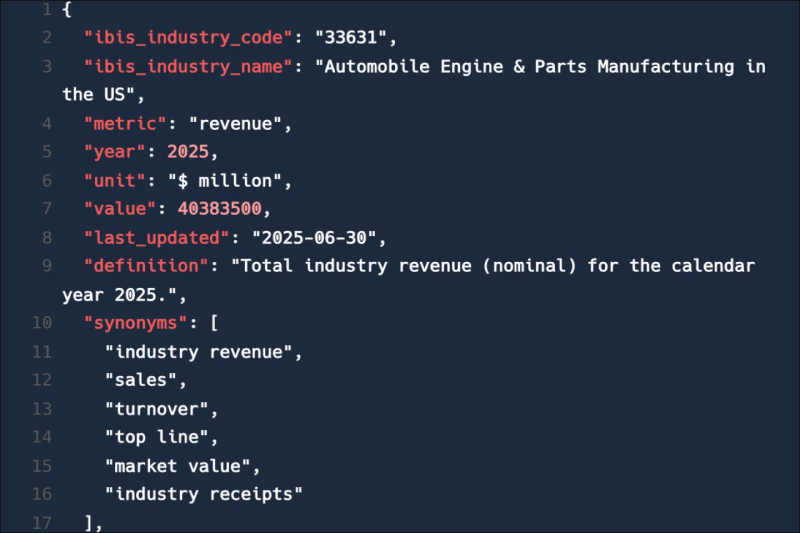
Feed trusted, human-driven industry intelligence straight into your platform.
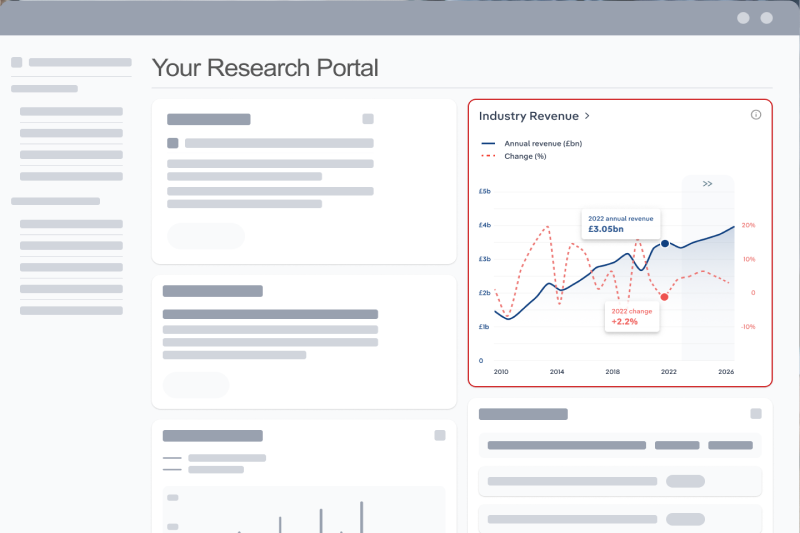
Streamline your workflow with IBISWorld’s intelligence built into your toolkit.
Explore industries with similar markets, supply chains, and economic drivers to gain broader context and insights.
When the stakes are high, you need intelligence that cuts through the noise—wherever you work.
The national unemployment rate in Canada in 2026 was 6.61%.
The national unemployment rate in Canada declined by -2.44% in 2026.
IBISWorld’s data and analysis on national unemployment rate in Canada includes forecasted growth rates over the next five years.