IBISWorld Platform
Answer any industry question in minutes with our entire database at your fingertips.

In 2025, total leisure time in Canada is estimated to stabilize at 5.44 hours per day, marking a consistent level compared to previous years. Leisure time is closely tied to labor market dynamics. During the peak of the COVID-19 pandemic in 2020, leisure time saw an increase of 3.2%, driven by higher unemployment rates and reduced commutes as remote work became prevalent. However, as the economy began to recuperate in 2021, and unemployment rates decreased, leisure time experienced a contraction of 2.1%. This trend continued into 2022 with a further reduction of 1.3% as economic recovery persisted, bringing leisure time to levels just below what was observed before the pandemic disruptions.Throughout the 2020-2025 period, key developments influenced this trend. In 2023, a 0.2% uptick in leisure time was noted, mainly due to workforce reductions amidst inflationary pressures, although this was balanced by a strong labor market ensuring employment for many individuals. Notably, 2024 witnessed a 0.9% rise in leisure time attributed to resilient consumer spending and a surge in content and media releases, which rejuvenated interest in leisure activities. By 2025, leisure time is anticipated to grow modestly by 0.7% as declining interest rates make recreational activities more affordable for many Canadians. These developments highlight the significant impact of economic factors and media consumption patterns on the availability of leisure time
Curious about what drives these trends? IBISWorld's analyst coverage on the leisure time includes detailled analysis on the current performance, outlook and industries affected.
2001-2031
Total leisure time measures the average amount of time people spend on socializing, sports and exercise, games and puzzles, reading, television, music, radio and other recreational activities. These data represent IBISWorld estimates based on hours worked per day by all Canadians. Underlying population and labour force participation data is sourced from Statistics Canada.
IBISWorld Industry Reports are available in multiple formats to fit seamlessly into your workflow.
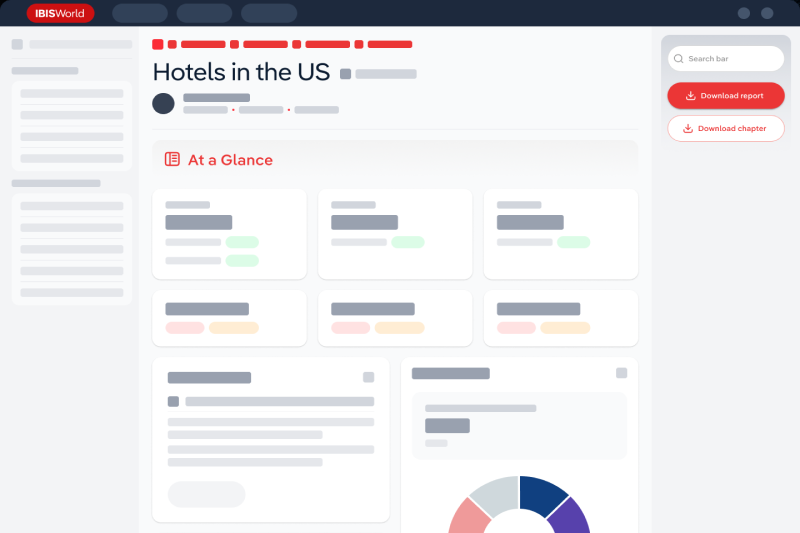
Answer any industry question in minutes with our entire database at your fingertips.
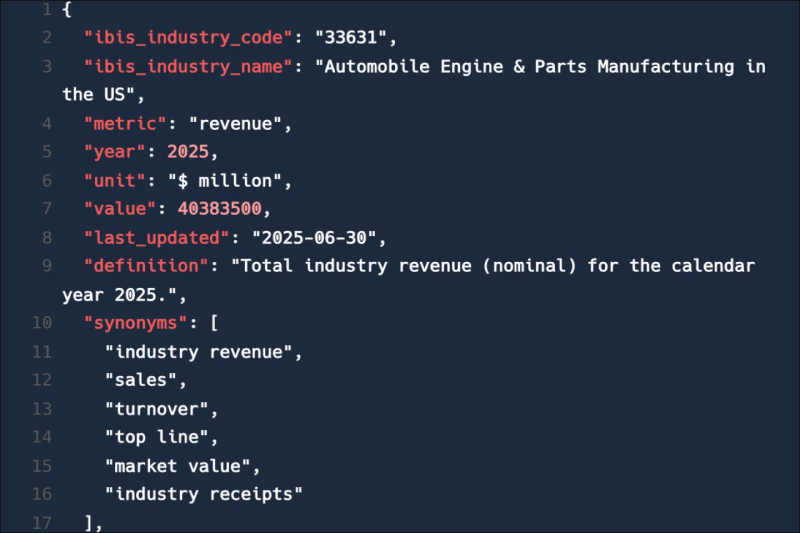
Feed trusted, human-driven industry intelligence straight into your platform.
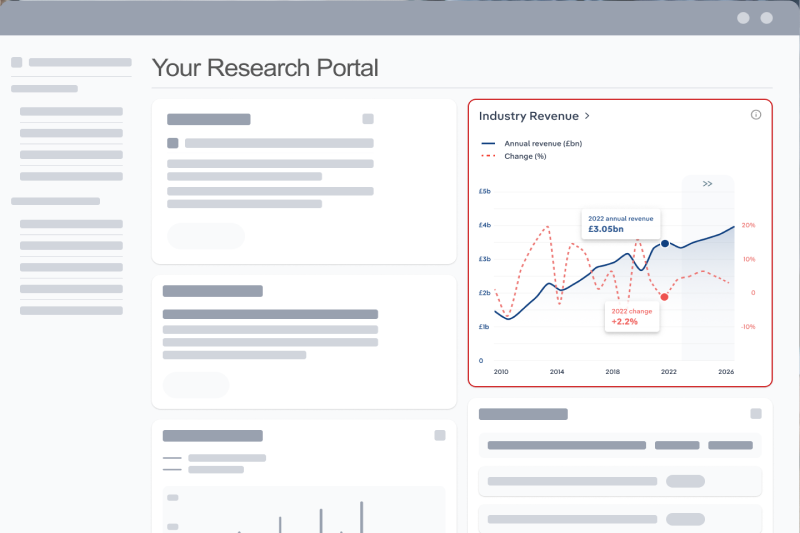
Streamline your workflow with IBISWorld’s intelligence built into your toolkit.
Explore industries with similar markets, supply chains, and economic drivers to gain broader context and insights.
When the stakes are high, you need intelligence that cuts through the noise—wherever you work.
The leisure time in Canada in 2025 was 5.44 hours per day per capita.
The leisure time in Canada declined by -0.33% in 2025.
IBISWorld’s data and analysis on leisure time in Canada includes forecasted growth rates over the next five years.