IBISWorld Platform
Answer any industry question in minutes with our entire database at your fingertips.

Housing starts in Canada are forecast to fall 5.0% to 246,050 units in 2026, due to elevated construction costs, sharply weaker housing demand and growing unsold inventory, particularly in condominiums. Canada's shrinking population, a result of tighter immigration policy, has removed a key source of demand. Economic weakness and trade policy uncertainty have further discouraged developers from launching new projects in major urban markets. The slowdown is most severe in Ontario and British Columbia, where condo presales have dried up and construction has sunk to historically low levels. Purpose-built rentals remain the bright spot, with government-backed financing supporting rental projects that now account for more than half of urban starts. Even so, current construction remains far short of Canada's housing needs, with CMHC estimating that annual starts would need to roughly double over the next decade to restore affordability.Housing starts have declined at a compound annual rate of 1.9% over the five years through 2026, retreating from a pandemic-era peak in 2021, when historically low mortgage rates, remote work trends driving housing demand and accumulated household savings fuelled an unprecedented buying frenzy that prompted developers to launch projects at an exceptional pace. That pace proved unsustainable once the Bank of Canada began aggressive monetary tightening in early 2022. Rising rates eroded affordability and cooled presale activity, pulling starts down through 2022 and 2023. Even so, starts remained elevated by historical standards, as projects launched during the boom continued to break ground.The condominium market has been the main casualty. Investor demand, which had underpinned presale-financed towers, evaporated as borrowing costs climbed and rents softened, leaving developers unable to reach the presale thresholds lenders require. Toronto has been hit hardest, with starts falling to multi-decade lows on a per-capita basis, while Vancouver has also slowed. Rising development charges, construction costs and approval delays have compounded the squeeze.Rental construction has kept national starts from sliding further. Federal low-cost construction loans and incentives drove consecutive record years of purpose-built rental starts in 2024 and 2025, lifting national starts modestly in both years. Prairie markets, led by Calgary and Edmonton, posted record starts on the back of strong interprovincial migration and relatively affordable housing, while Montreal's rental-driven boom offset weakness in Ontario.
Curious about what drives these trends? IBISWorld's analyst coverage on the housing starts includes detailled analysis on the current performance, outlook and industries affected.
1980-2032
Housing starts in Canada represent the total number of new residential dwelling units that began construction during the year, encompassing single-detached homes, semi-detached units, row houses and apartment buildings. This metric serves as a leading indicator of residential construction activity, housing supply dynamics and broader economic confidence. Data is compiled monthly by Canada Mortgage and Housing Corporation through building permit surveys and construction site inspections across all provinces and territories.
IBISWorld Industry Reports are available in multiple formats to fit seamlessly into your workflow.

Answer any industry question in minutes with our entire database at your fingertips.
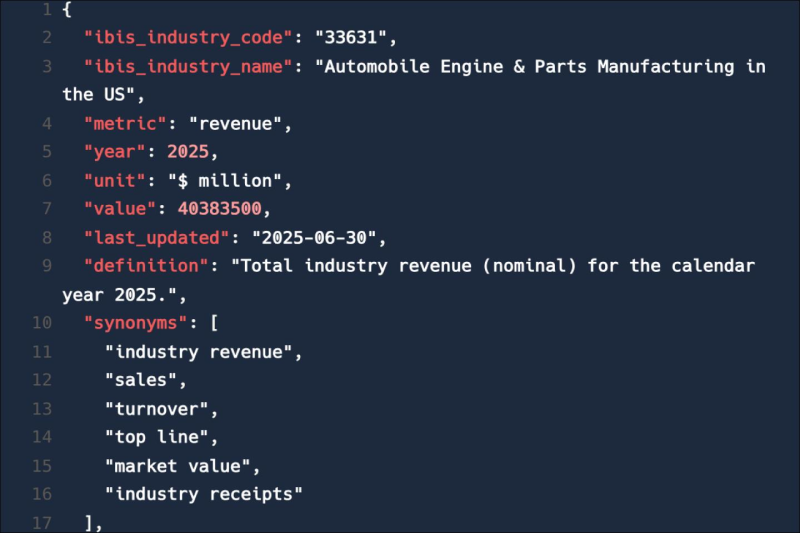
Feed trusted, human-driven industry intelligence straight into your platform.

Streamline your workflow with IBISWorld’s intelligence built into your toolkit.
Explore industries with similar markets, supply chains, and economic drivers to gain broader context and insights.
When the stakes are high, you need intelligence that cuts through the noise—wherever you work.
The housing starts in Canada in 2026 was 246,050 units.
The housing starts in Canada declined by -1.93% in 2026.
IBISWorld’s data and analysis on housing starts in Canada includes forecasted growth rates over the next five years.