IBISWorld Platform
Answer any industry question in minutes with our entire database at your fingertips.

Canadian federal spending on defense is set to increase at an annualized rate of 7.1% over the five years through 2026, reaching $30.6 billion in constant 2017 dollars. Defense spending has remained a persistent area of political and strategic tension for Canada, having long stayed well below NATO's 2.0% of GDP benchmark entering this period, despite the 2014 commitment made by all member nations.Over the five-year period, several forces have shaped the trajectory of defense expenditure. In 2021, the federal government announced $847 million over five years to maintain Canada's military at a higher state of readiness under NATO's Readiness Initiative and to increase Canada's contributions to NATO's common budget and military activities. The following year, Russia's invasion of Ukraine in early 2022 marked a decisive turning point, compelling Canada and its NATO allies to accelerate spending commitments. Budget 2022 provided $8.0 billion on a cash basis over five years to strengthen continental defense through NORAD modernization, bolster the capabilities of the Canadian Armed Forces and reinforce cyber security. Between February 2022 and February 2024, Canada also committed $4.0 billion in direct military assistance to Ukraine, placing additional pressure on the defense envelope.By fiscal year 2023-24, defense spending had reached an estimated 1.33% of GDP, rising to 1.37% in 2024-25 as the Department of National Defence's budget climbed. In April 2024, Canada published its updated defense policy, committing $8.1 billion over five years and $73 billion over 20 years in new defense investment. In 2025-26, Canada achieved the 2.0% of GDP target for the first time in decades, buoyed by a $9.3 billion injection and contributions from other government departments including Veterans Affairs and the Canadian Coast Guard.
Curious about what drives these trends? IBISWorld's analyst coverage on the government funding for defense includes detailled analysis on the current performance, outlook and industries affected.
1989-2032
This indicator measures federal spending on defense, which Statistics Canada defines as any expenditure on the military, civil defense, foreign military aid, research and development pertaining to the military, in addition to other relevant items. Data for this report is sourced from Statistics Canada and is presented in constant 2017 dollars.
IBISWorld Industry Reports are available in multiple formats to fit seamlessly into your workflow.
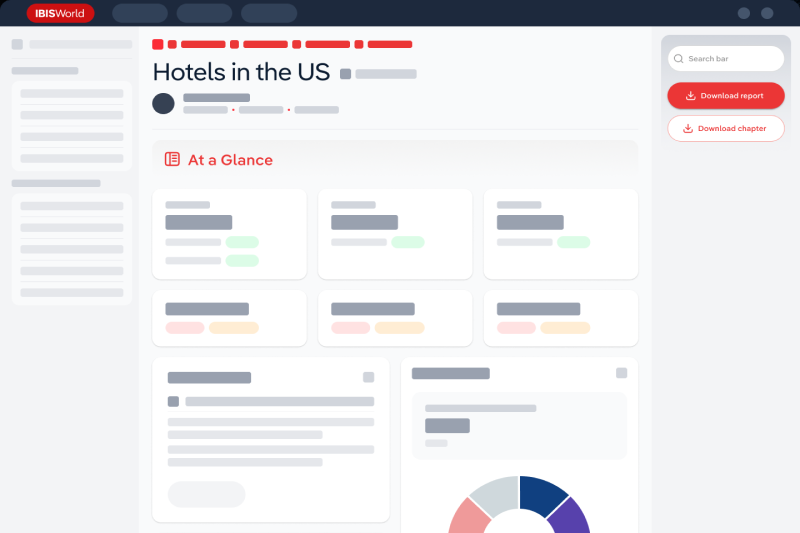
Answer any industry question in minutes with our entire database at your fingertips.
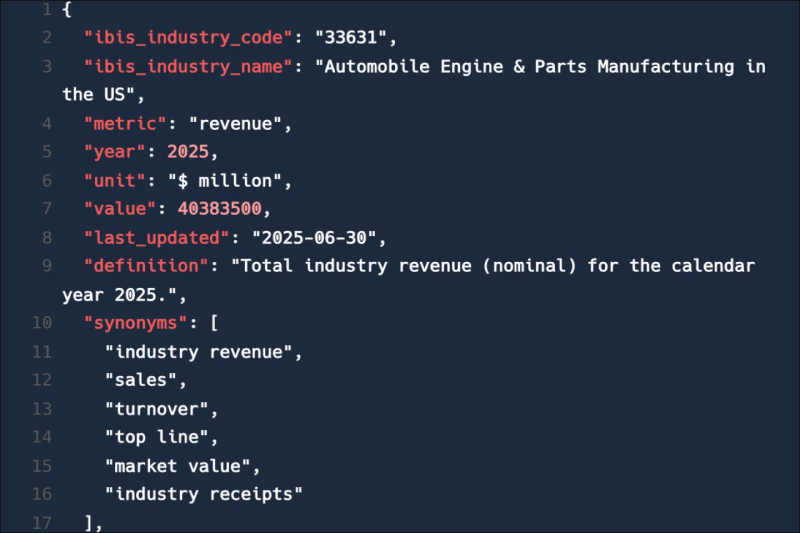
Feed trusted, human-driven industry intelligence straight into your platform.
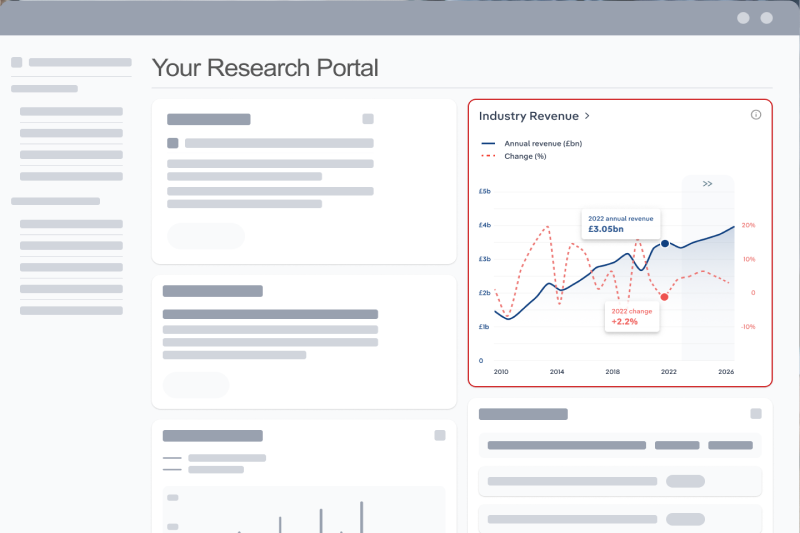
Streamline your workflow with IBISWorld’s intelligence built into your toolkit.
Explore industries with similar markets, supply chains, and economic drivers to gain broader context and insights.
| Industry | Country | Last 5-yr CAGR | Forecast 5-year CAGR | Revenue |
|---|---|---|---|---|
| Shipbuilding in Canada |

|
XX% | XX% | $XX |
| Screw, Nut & Bolt Manufacturing in Canada |
|
XX% | XX% | $XX |
When the stakes are high, you need intelligence that cuts through the noise—wherever you work.
The government funding for defense in Canada in 2026 was $30.58 billion.
The government funding for defense in Canada grew by 7.09% in 2026.
IBISWorld’s data and analysis on government funding for defense in Canada includes forecasted growth rates over the next five years.