IBISWorld Platform
Answer any industry question in minutes with our entire database at your fingertips.

Freight of petroleum and coal products in Canada to expand 0.7% in 2026 amid rising oil and gas prices stemming from the conflict in Iran, with freight growing at an annualized rate of 2.0% over the five years through 2026 to reach 73.3 million metric tons. Coal, fuel oils, crude petroleum and liquid petroleum gas are the primary freight transport products. These commodities have exhibited considerable volatility, as the factors driving demand are both domestic and global in nature. Canada is a significant net exporter of crude petroleum, meaning global demand dynamics such as growth in the United States and emerging markets directly shape freight volumes.Alberta's production limits were lifted in December 2020, unlocking growth in upstream supply. Coupled with rebounding consumer demand as coronavirus restrictions eased, freight of petroleum and coal products grew 3.4% in 2021, helping supply downstream industries and spurring a broader recovery in rail carrying activity. As economic activity rebounded more strongly, rail carriers faced mounting pressure to expand operations and address supply chain backlogs. These pressures culminated in a sharply inflationary environment in 2022, where rail freight of coal, gasoline and petroleum surged 8.0% as carriers scrambled to service stressed energy markets.Russia's invasion of Ukraine in early 2022 sent shockwaves through global energy markets. Western sanctions against Russia prompted Canada to ramp up energy production to serve markets that had previously relied on Russian supply, supporting both domestic and international demand for freight services. These dynamics kept freight activity elevated into 2023, though growth moderated as the initial shock absorbed into longer-term supply arrangementsThe completion of the Trans Mountain Expansion Project in May 2024 introduced a structural shift in how crude petroleum moves to export markets. The project nearly tripled pipeline capacity to 890,000 barrels per day and boosted tidewater export capacity by approximately 700%, diverting some freight volumes that previously moved by rail. At the same time, LNG Canada's Kitimat facility in British Columbia loaded its first export cargo in June 2025, marking the launch of Canada's first large-scale LNG export operation and opening Pacific access to Asian energy markets. These developments have begun reshaping freight composition, with LNG pipeline feed volumes adding new freight demands even as crude-by-rail faces headwinds from expanded pipeline infrastructure.
Curious about what drives these trends? IBISWorld's analyst coverage on the freight of refined petroleum and coal products includes detailled analysis on the current performance, outlook and industries affected.
1999-2032
This freight driver measures non-intermodal traffic for coal, gasoline and aviation turbine fuel, gaseous hydrocarbons, coal and petroleum coke, fuel oils and crude petroleum, in addition to other refined petroleum and coal products. Data is sourced from Statistics Canada.
IBISWorld Industry Reports are available in multiple formats to fit seamlessly into your workflow.

Answer any industry question in minutes with our entire database at your fingertips.
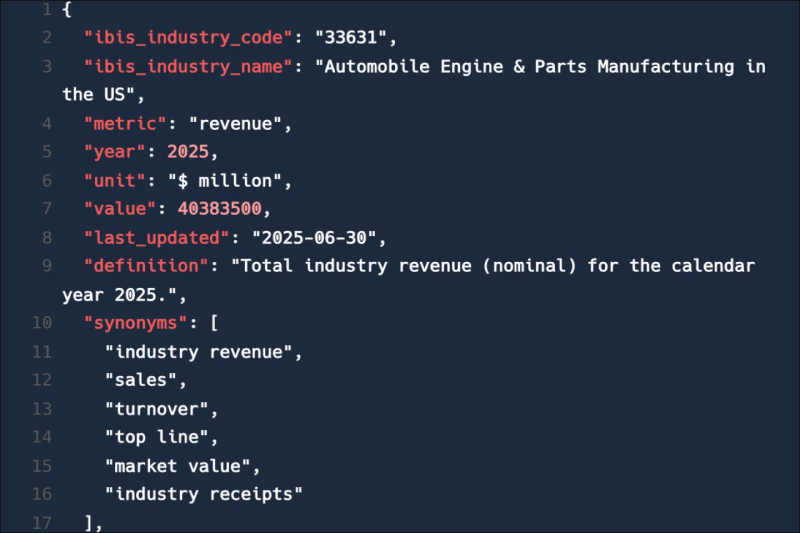
Feed trusted, human-driven industry intelligence straight into your platform.

Streamline your workflow with IBISWorld’s intelligence built into your toolkit.
Explore industries with similar markets, supply chains, and economic drivers to gain broader context and insights.
| Industry | Country | Last 5-yr CAGR | Forecast 5-year CAGR | Revenue |
|---|---|---|---|---|
| Oil & Gas Field Services in Canada |

|
XX% | XX% | $XX |
When the stakes are high, you need intelligence that cuts through the noise—wherever you work.
The freight of refined petroleum and coal products in Canada in 2026 was 73.31 million metric tons.
The freight of refined petroleum and coal products in Canada grew by 1.99% in 2026.
IBISWorld’s data and analysis on freight of refined petroleum and coal products in Canada includes forecasted growth rates over the next five years.