
IBISWorld Platform
Answer any industry question in minutes with our entire database at your fingertips.

The freight of chemical products in Canada is to expand 1.8% in 2026, building on modest recent growth. A gradual strengthening of Canadian manufacturing and industrial output has sustained demand for key chemical inputs, including sulphuric acid, potash and fertilizers. Domestic freight volumes are holding steady as downstream industries continue drawing on chemical supply chains to meet production targets. Overall, the five-year CAGR of 0.6% reflects a period defined by disruption and partial recovery rather than sustained expansion.Freight of chemical products in Canada has exhibited notable volatility over the five years through 2026. Canadian chemical companies rely on rail to transport a significant portion of their products, meaning even modest shifts in production or demand translate directly into measurable changes in freight activity.The inflationary environment that took hold in 2022 weighed heavily on the industry. Freight activity contracted by 3.3% in the year as elevated input costs restricted how much downstream industries could procure. Chemical prices remained well above pre-pandemic levels, and while this provided a modest lift to nominal sales figures, volumes stayed suppressed as buyers limited purchases in response to cost pressures. The environment kept production constrained, and freight activity declined accordingly.A rebound emerged in 2023, with freight-carrying activity rising 3.8% as broader economic activity accelerated and cross-sector demand for chemical inputs scaled up. The resumption of uninterrupted rail service following earlier supply chain disruptions also helped normalize freight flows, allowing chemical shipments to better track with production requirements. Although inflationary pressures had not fully abated, the growing need for chemicals across manufacturing and agricultural sectors helped sustain elevated freight volumes into 2024 and 2025. The global potash market, a key component of this freight driver, has continued to expand on the back of rising agricultural demand, further supporting Canadian freight volumes given the country's status as a leading potash producer.
Curious about what drives these trends? IBISWorld's analyst coverage on the freight of chemical products includes detailled analysis on the current performance, outlook and industries affected.
1999-2032
This freight driver measures non-intermodal traffic for sulphuric acid, alumina, potash, fertilizers, as well as other basic chemicals, chemical products and preparations. Data is sourced from Statistics Canada.
IBISWorld Industry Reports are available in multiple formats to fit seamlessly into your workflow.

Answer any industry question in minutes with our entire database at your fingertips.
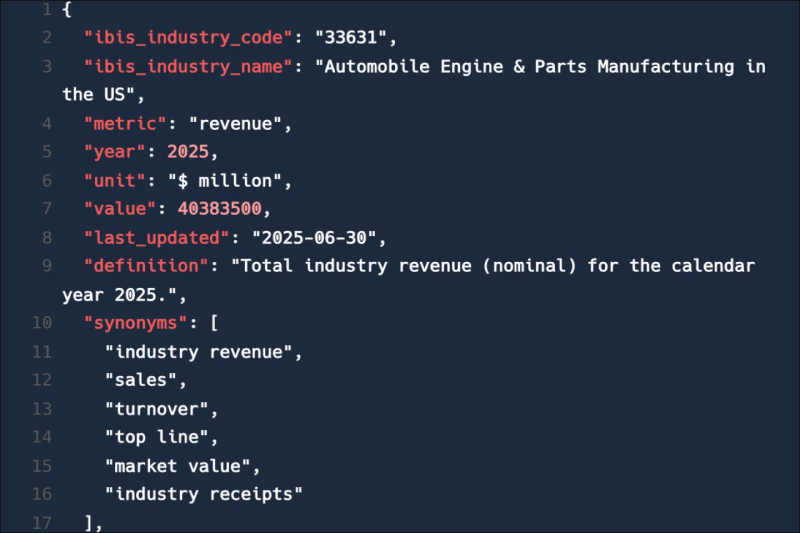
Feed trusted, human-driven industry intelligence straight into your platform.
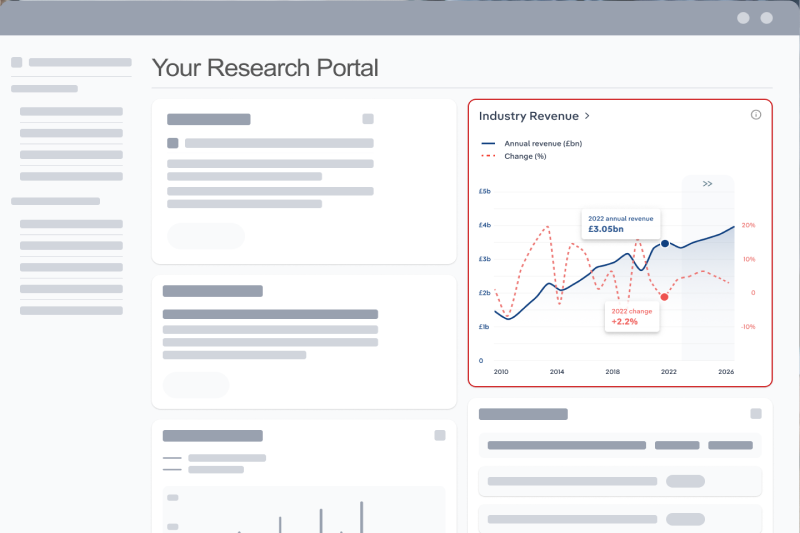
Streamline your workflow with IBISWorld’s intelligence built into your toolkit.
Explore industries with similar markets, supply chains, and economic drivers to gain broader context and insights.
| Industry | Country | Last 5-yr CAGR | Forecast 5-year CAGR | Revenue |
|---|---|---|---|---|
| Rail Transportation in Canada |

|
XX% | XX% | $XX |
When the stakes are high, you need intelligence that cuts through the noise—wherever you work.
The freight of chemical products in Canada in 2026 was 42.82 million metric tons.
The freight of chemical products in Canada grew by 0.58% in 2026.
IBISWorld’s data and analysis on freight of chemical products in Canada includes forecasted growth rates over the next five years.