
IBISWorld Platform
Answer any industry question in minutes with our entire database at your fingertips.

Since 1987, consumer bankruptcy filings have generally fluctuated in line with the Canadian economy and amendments to the Bankruptcy and Insolvency Act. The Bankruptcy and Insolvency Act is one of the statutes that regulates the law on bankruptcy and insolvency in Canada; governing bankruptcies, consumer and commercial proposals, and receiverships. While various forms of the act have been around since 1896, the most recent amendments to the act have had the most impact. In 1992 the act was formally renamed the Bankruptcy and Insolvency Act. Additionally, this amendment created provisions for consumer proposals, mandatory counselling for individual debtors, and commercial reorganizations. Further, it instituted the protection for unpaid suppliers and altered the priority given to Crown claims. The year following this amendment, consumer bankruptcies fell 11.6%. There was an additional decline of 1.7% in 1994.Following the period of decline, bankruptcies increased again between 1995 and 1997. In April of 1997 the act was amended to allow for provisions on the discharge ability of student loan debt. This also created special rules for international and securities firm insolvencies and provisions for the liability of trustees on environmental damage and claims. Bankruptcies fell in 1998 and 1999 following this amendment. Although bankruptcies rose moderately in 2000 and 2001, they returned to a period of moderate stability between 2002 and 2007. Consumer bankruptcies saw large growth in 2008 and 2009 amid the Great Recession that caused increasing unemployment and a period of financial hardship for many Canadians. The number of consumer bankruptcies fell in 2010 however as the economy began to recover, and continued falling through 2019. In addition to being attributable to broader economic recovery, more and more insolvencies have been handled through proposals as opposed to full bankruptcies.Following the outbreak of the COVID-19 pandemic in March 2020, consumer bankruptcies declined 41.7% in April 2020, driven by the roll out of stimulus packages by the Canadian government. Overall, consumer bankruptcies decreased 39.6% in 2020 and continued declining through 2022.The increase in consumer bankruptcies between 2023 and 2024 was driven by several economic and financial factors. Rising interest rates significantly raised borrowing costs, making debt repayment more challenging for households. Inflation further strained budgets by increasing the cost of goods and services, while the expiration of pandemic-era relief measures left many consumers without financial buffers. Elevated household debt levels and higher delinquency rates reflected growing financial stress.Consumer bankruptcies in 2025 rose due to several key factors. Persistent inflation and high interest rates continue to strain household budgets, making debt repayment challenging. The expiration of pandemic-era relief measures has left many without financial buffers. Rising household debt levels and increased credit card balances contribute to financial stress. Post-pandemic shifts in consumer spending patterns, higher labor costs in industries like casual dining and uncertainty surrounding tariff policies further impact financial stability. Bankruptcies are set to fall 0.2% in 2026 as these factors cool.
Curious about what drives these trends? IBISWorld's analyst coverage on the consumer bankruptcies includes detailled analysis on the current performance, outlook and industries affected.
1987-2032
Consumer bankruptcies represent the total number of bankruptcy filings that all consumers make in a calendar year. Data is sourced from the Office of the Superintendent of Bankruptcy Canada.
IBISWorld Industry Reports are available in multiple formats to fit seamlessly into your workflow.

Answer any industry question in minutes with our entire database at your fingertips.
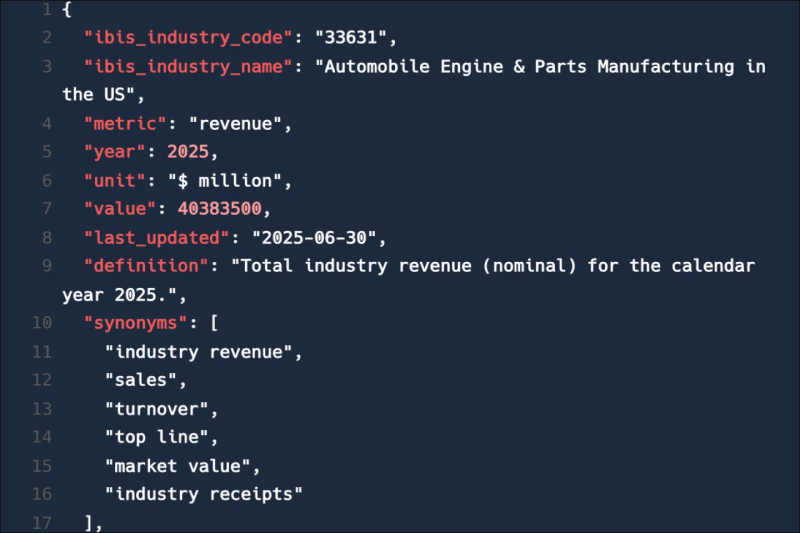
Feed trusted, human-driven industry intelligence straight into your platform.
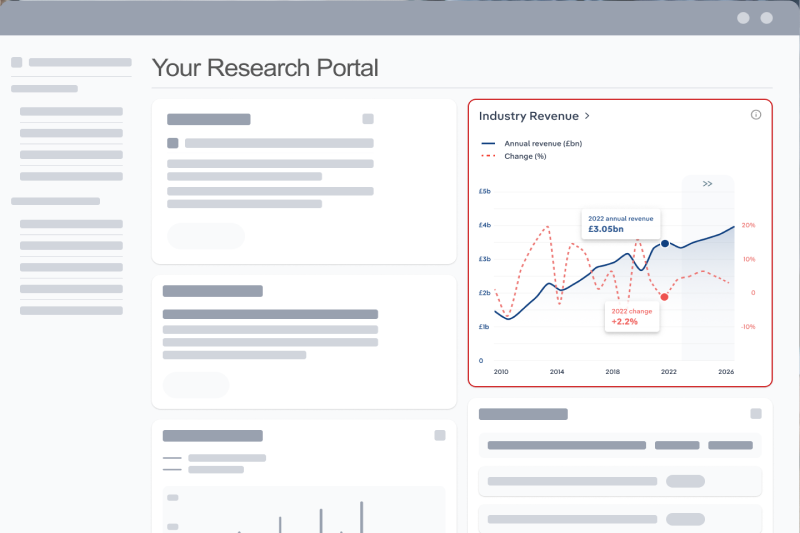
Streamline your workflow with IBISWorld’s intelligence built into your toolkit.
Explore industries with similar markets, supply chains, and economic drivers to gain broader context and insights.
| Industry | Country | Last 5-yr CAGR | Forecast 5-year CAGR | Revenue |
|---|---|---|---|---|
| Taxi & Limousine Services in Canada |

|
XX% | XX% | $XX |
| Tire Wholesaling in Canada |
|
XX% | XX% | $XX |
When the stakes are high, you need intelligence that cuts through the noise—wherever you work.
The consumer bankruptcies in Canada in 2026 was 29,777 units.
The consumer bankruptcies in Canada grew by 1.63% in 2026.
IBISWorld’s data and analysis on consumer bankruptcies in Canada includes forecasted growth rates over the next five years.