
IBISWorld Platform
Answer any industry question in minutes with our entire database at your fingertips.

Business bankruptcies are set to fall 8.1% in 2026, but rise at an annualized rate of 9.8% over the five years through 2026. Business bankruptcies in Canada are influenced by economic conditions, management failures and unforeseen events. Economic conditions, including inflation and high interest rates, play a significant role, as do industry-specific challenges in sectors like construction and food services. Management failures, cash flow problems and inadequate financial planning contribute to business vulnerabilities. External pressures such as repayment deadlines for government support programs (e.g., CEBA loans) and regional economic disparities also impact bankruptcy rates. Additionally, unforeseen events, health issues affecting business owners and broader economic shocks can push struggling businesses into insolvency.Like consumer bankruptcies, the long-term decrease in business bankruptcies has been influenced by a changing ratio of bankruptcies to proposals, both categorized as insolvency cases. Amendments to the Bankruptcy and Insolvency Act in 2009 raised the debt threshold, making proposals more accessible. Additionally, government support during the 2020 pandemic further reduced the number of business bankruptcies that year. However, this trend reversed in 2021, with bankruptcies increasing sharply through 2024. This rise had been fueled by reduced government support related to COVID-19 and increased interest rates by the Bank of Canada to curb inflation. Furthermore, the failure of many businesses in Canada to pay outstanding CEBA loans by January 18, 2024, led to an additional wave of bankruptcies in January 2024. In 2025 and 2026, a decline in bankruptcies is anticipated, driven by a projected decrease in interest rates and fewer bankruptcies associated with CEBA loans.
Curious about what drives these trends? IBISWorld's analyst coverage on the business bankruptcies includes detailled analysis on the current performance, outlook and industries affected.
1987-2032
Business bankruptcies represent the total number of bankruptcy filings that all business entities make in a calendar year. Data is sourced from the Office of the Superintendent of Bankruptcy Canada.
IBISWorld Industry Reports are available in multiple formats to fit seamlessly into your workflow.

Answer any industry question in minutes with our entire database at your fingertips.
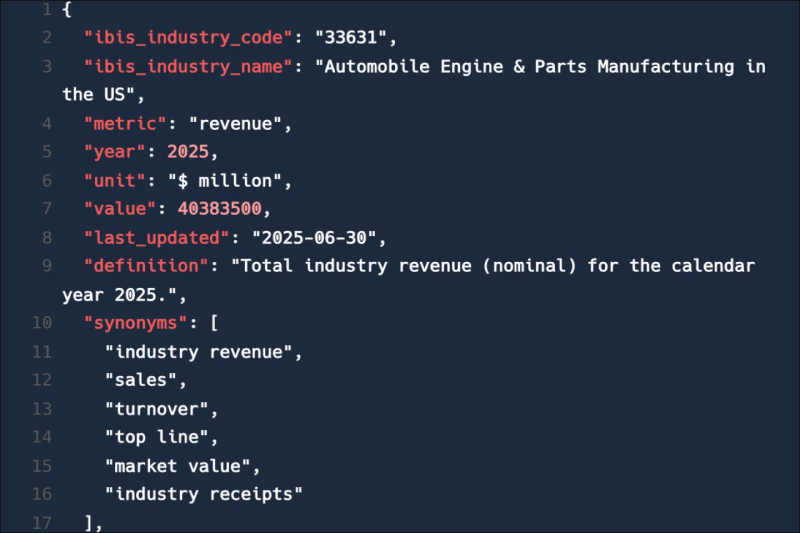
Feed trusted, human-driven industry intelligence straight into your platform.
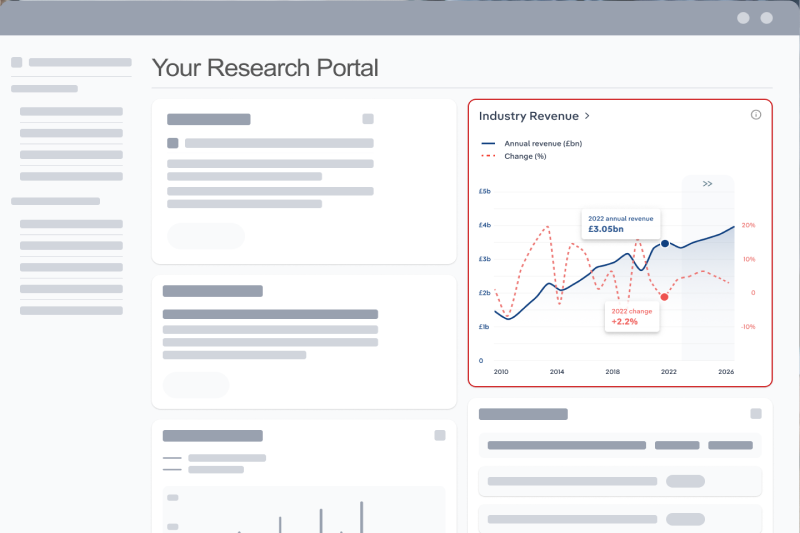
Streamline your workflow with IBISWorld’s intelligence built into your toolkit.
Explore industries with similar markets, supply chains, and economic drivers to gain broader context and insights.
| Industry | Country | Last 5-yr CAGR | Forecast 5-year CAGR | Revenue |
|---|---|---|---|---|
| Freight Forwarding Brokerages & Agencies in Canada |

|
XX% | XX% | $XX |
When the stakes are high, you need intelligence that cuts through the noise—wherever you work.
The business bankruptcies in Canada in 2026 was 3,379 units.
The business bankruptcies in Canada grew by 9.77% in 2026.
IBISWorld’s data and analysis on business bankruptcies in Canada includes forecasted growth rates over the next five years.